
The Strategic Shift to Battery Storage in Spain
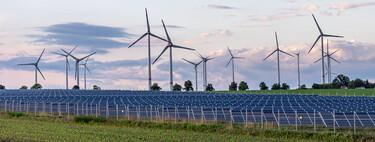
Spain is making significant strides in developing energy batteries to store surplus renewable energy, an essential strategy for achieving energy independence and mitigating blackouts, such as the incident in April. Amid various regional competitions for funding, Andalusia emerges as the clear frontrunner.
EU Funding for Energy Transformation
The European Regional Development Fund (ERDF) aims to promote energy transformation. In Spain, a total of €818 million is designated for state energy storage, with nearly half going to Andalusia, even after a reduction of €20 million from the original plan. This initial allocation reflects the importance of this region in Spain’s renewable energy strategy.
Importance of ERDF Program
The ERDF’s primary objective is to enhance economic, social, and territorial cohesion within the EU. By investing in regions that show economic disparities, the ERDF promotes growth, innovation, and a green and digital transition. These goals align with the finalized funding roadmap to ensure that less developed regions, like Andalusia, receive necessary support.
Why Andalusia Wins the Majority
From the onset, the IDAE (Institute for Energy Diversification and Saving) allocated funds by regional pools, giving Andalusia the highest initial allocation. This is primarily due to its classification as a “less developed region,” meaning it qualifies for higher co-financing rates, reaching up to 85% compared to regions like Madrid or Catalonia, which receive lesser subsidies.
- As a designated “less developed region,” Andalusia has priority access to these EU funds, essential for improving its GDP per capita.
- The higher co-financing rate incentivizes investment in energy projects, allowing for more substantial aid directed toward Andalusia’s sustainable energy initiatives.
Andalusia: The Future Battery of Spain
With this funding, Andalusia is poised to become Spain’s battery. The region is not only leading in clean energy generation but is also developing the technology needed to store this energy effectively. The portfolio of planned projects emphasizes this direction:
- Andalusia houses some of the region’s largest storage projects, such as those from Atlantica Sustainable Infrastructure and the Rolwind battery system, which is among the largest in the state.
- The region is also a leader in installed photovoltaic solar energy. As highlighted by the PNIEC (National Integrated Energy and Climate Plan), areas with high renewable generation require more storage to maintain electrical stability.
Funding Breakdown and Key Figures
The finalized budget allocates €818 million in non-refundable public aid across 126 projects, resulting in a total capacity of 9.4 GWh and 2.2 GW of power. The funding needs to be utilized by September 30, 2029.
- Notably, three operators account for over 50% of the awarded capacity: Iberdrola, Atlantica Sustainable Infrastructure, and Rolwind Renovables, signifying significant investments in the region.
- Andalusia itself receives approximately 43% of the total fund, totaling €354.5 million, marking it as a leader in both project volume and funding.
Competitive Pricing in Energy Storage
The awarded projects predominantly feature hybrid systems, primarily utilizing photovoltaic technology. This competitive pricing structure has positioned Spain favorably compared to other European nations. For instance, the average price for independent storage systems stands at €64,933/MWh/year, lower than various markets like Italy.
Conclusion
As Spain continues to harness renewable energy, Andalusia’s strategy for energy storage is pivotal. The regional focus on battery technology not only emphasizes leadership in sustainable practices but also provides an essential framework for future energy independence and economic stability.