

The Heat and Your Smartphone: A Struggle in the Summer Sun
In recent years, we have witnessed huge advances in smartphone technology, thanks to the development of brilliant screens, ultra-fast charging capabilities, and enhanced power. Innovations driven by artificial intelligence have transformed what these sleek devices can accomplish. However, as we swelter through one of the hottest summers on record, one question looms large: Can we fully utilize these cutting-edge features during the heatwave? The reality is, for many of us, the answer is a striking no.
The Problem: How Heat Affects Smartphone Performance
When summer’s heat arrives, smartphones often become casualties of the blazing sun. Specifically, they suffer from a phenomenon known as thermal throttling . During high ambient temperatures, smartphones automatically lower their performance to avoid overheating, leading to slowdowns even in high-end models that generally cope well under normal conditions. This throttling typically results in frustrating lag and an overall sluggish performance.
Moreover, high temperatures often lead to the deactivation of power-hungry features such as high screen refresh rates (90 Hz, 120 Hz, and beyond), fast charging, and the peak brightness levels that manufacturers promote extensively. This is particularly disheartening during sunlit summer days when we need maximum brightness to see our screens.
The Impact During Extreme Heat
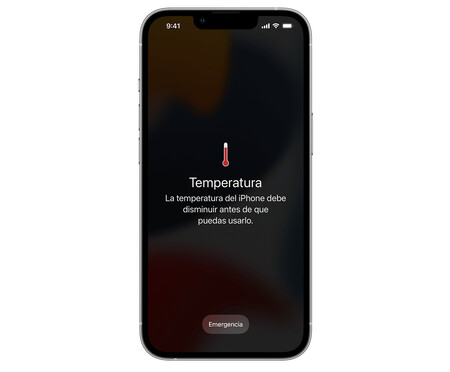
The scorching heat we have experienced recently serves as a perfect example. At a recent outdoor gathering, several smartphones were rendered unusable during the hottest hours. With their screens barely visible and performance severely hampered, users encountered alarming notifications: warnings against charging to protect the battery and complete freezing of the devices due to excessive heat.
Upon receiving a call, I experienced a maddening disconnect. My smartphone displayed a notification warning me that it was too hot to function properly, abruptly cutting off the conversation. Friends also faced similar issues, waiting for temperatures to drop before being able to charge their devices.
Moderate Heat: A Different Challenge
The hot weather in Andalusia is undoubtedly extreme, but even moderate temperatures can bring their own challenges. During a wedding in early May, with temperatures around 25 degrees Celsius, I attempted to shoot photos using an iPhone 16 Pro and a Samsung Galaxy S25 Ultra. Unfortunately, the iPhone succumbed to thermal throttling, leading to poor visibility and delayed interactions, while the Galaxy performed slightly better but still suffered from reduced brightness.
Ironically, while wielding two of the best smartphone cameras on the market, my ability to take photos was severely hampered—not solely due to sunlight glare but due to the dimness of the screens under moderate heat. This conundrum implores us to consider how vital bright screens are during the sun-soaked days of summer.
Effective Strategies to Mitigate Heat Impact
Unfortunately, as users, our solutions to combat this thermal challenge are limited. Here are some practical tips:
- Minimize exposure to direct sunlight. Whenever possible, find shade, especially when not actively using your device.
- Reduce camera usage when traveling or during casual outings. Leaving the camera mode engaged without taking pictures leads to unnecessary heat generation.
Optimizing Your Smartphone at Home and in Your Car
Using your smartphone as a GPS in a vehicle? Attempt to keep it near the air conditioning vents, allowing the air to circulate around your device for cooler operation. This habit also applies when utilizing applications such as CarPlay or Android Auto, as GPS functionality can significantly drain battery life and generate heat.
At home, I recommend employing cooling methods such as fans or ice packs. When your smartphone is touched against a cold surface, it dramatically decreases temperature and maintains functionality.
Manufacturers’ Ongoing Battle Against Heat
The smartphone industry has long been investing in technologies aimed at combatting heat, but as features become more advanced, power consumption tends to rise. Manufacturers face a challenge, for instance, with implementations like steam chambers for cooling (as seen in the Xiaomi 15 Ultra). Apple, however, has yet to deliver similar improvements despite promising innovations based on design changes to enhance thermal dissipation.
As we strive to enjoy the thrilling capabilities of our smartphones, addressing the limitations imposed by heat becomes essential. The enlightening experience of using advanced devices continues, but understanding their vulnerabilities in extreme temperatures may encourage manufacturers to produce more heat-resilient technology in the future.
Image | Xataka mobile
In Xataka | Aemet has been registering the hottest days in history since 1950. I had never detected as many as this August.