
The Rejection of the “Antiapagones” Decree: A Setback for Spain’s Energy Future
The Congress of Deputies rejected on Tuesday, July 22 the so-called “antiapagones” decree, a crucial regulation intended to bolster the electrical system following a significant blackout on April 28. This rejection has raised concerns about the future reliability of Spain’s energy system.
The Parliamentary Defeat. The proposal, approved in the Council of Ministers as Royal Decree-Law 7/2025, failed to secure the necessary votes for validation, resulting in 183 votes against and only 165 in favor. Key parties such as PP (Popular Party), Vox, Podemos, Junts, BNG, and UPN voted against the decree, indicating a solidified opposition. Notably, Jorge Pueyo, a deputy from Aragon’s Chunta, broke party discipline with a negative vote.
This setback comes just before the summer recess and hinders the implementation of a package of urgent technical measures designed for Spain’s energy system. The decree aimed to enhance electricity grid supervision, make it easier for new industries to access the grid, encourage self-consumption of energy, and impose penalties for large energy companies that violate regulations.
Not So Bad? The government managed to push through six of the seven laws discussed in the plenary session, yet the defeat of this strategic decree has left a prevailing sense of disappointment. According to Pedro Sánchez, who was on tour in Montevideo at the time, government sources described the outcome as “not so bad,” while still expressing concern about a vote against what they deemed to be in the general interest.
Behind the Rejection. The varied reasons behind this rejection reflect the complex political landscape in Spain. The Popular Party viewed the decree as an endorsement of a failed and opaque energy policy. They criticized the government for failing to hold anyone accountable for the blackout. Conversely, Podemos distanced itself from its governing partners by arguing that the decree lacked true sanctions against the electric oligopoly, describing it as mere “legislative makeup” without substantial reform. Vox’s rejection was predicated on a strict ideological opposition to any initiative from the current government.
Other parties like Junts and BNG argued that the decree excessively favored large energy companies and sought to distance themselves at a critical time for negotiations with the government. Ultimately, this norm fell victim to a fragmented legislature marked by conflicting interests and a lack of political trust, even among allies.
The Origin of the Decree. As reported by El Salto, the decree was initiated after a June report that criticized Red Eléctrica de España and major generators like Endesa, Iberdrola, and Naturgy for the blackout. The measures proposed by Vice President Sara Aagesen aimed to preempt further crises and unlock stalled projects in an overloaded electrical system. Aagesen claimed there was strong social consensus behind the initiative, supported by business associations, environmental advocates, and renewable energy sectors.
The Content of the Decree. Royal Decree-Law 7/2025 was primarily technical, yet it held significant implications for the future of the Spanish energy landscape. According to El Salto, key provisions included enhanced public oversight, with more frequent reports from the CNMC (National Commission on Markets and Competition) and faster authorization processes, even allowing for shared connection points.
While it did not propose a total overhaul of the energy model or establish a public energy company, some groups celebrated it as a “first step” toward decentralizing the power structure. The Alliance for Self-Consumption—comprised of over 60 social organizations—hailed the decree as a “great lever” for democratizing energy. Additionally, it received praise for enabling renewable energy sources to contribute as support energy, a role traditionally reserved for thermal plants.
The Deeper Issue. The Spanish electrical system is operating at capacity, with only one in ten requests for network access approved in 2024—despite the presence of unused technical capacity. This inflexibility presents significant obstacles for essential industrial projects such as green hydrogen production, battery manufacturing, and data centers, all of which require stable and efficient connections. The decree sought to address these issues by proposing more dynamic planning and proactive regulations in line with European Commission recommendations.
The Road Ahead. Following this setback, the government has expressed intentions to revise the text of the decree. Meanwhile, the Popular Party plans to put forth an alternative law in collaboration with regional governments. According to Expansión, energy sector employers are advocating for rapid solutions, warning that delays could diminish Spain’s competitiveness. Every month without action equates to lost opportunities for attracting green and industrial investments.
A Missed Opportunity. While the antiapagones decree was not without its flaws, many in the industry viewed it as a necessary measure. Its rejection underscores the limitations of Spain’s current energy policy, where conflicting interests and political tensions overshadow pressing climate and industrial demands. The rejection leaves Spain vulnerable as it grapples with a strained electricity grid and the looming threat of future blackouts.
As the clock ticks towards a potentially tumultuous summer without a clear energy strategy, the implications of this parliamentary defeat are profound. The landscape of energy transition in Spain faces an urgent dilemma: the need for swift, decisive action to meet not only domestic needs but also the overarching European goal for sustainable energy leadership.
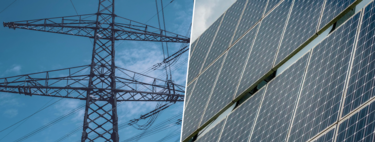
Image | José Sáez (Attribution-Share Alike 3.0 Unported License)
The current energy climate in Spain poses significant challenges but also provides opportunities for reform and renewal. The rejection of the antiapagones decree serves as a critical reminder of the complexities and intricacies within Spain’s political landscape. Moving forward, it will be imperative for policymakers and industry stakeholders to collaborate in finding effective solutions that can pave the way for a more resilient energy future.