

The Importance of Daily Hygiene for Health and Well-Being
Daily hygiene is key to maintaining good health and well-being . Bathing not only eliminates germs and dead cells but also prevents infections, improves skin appearance, and enhances self-esteem. The Ministry of Health of Peru (MINSA) promotes personal hygiene as an essential tool for preventing diseases and promoting healthy lifestyles across different life stages, from babies and children to adults and older adults.
In addition, Social Security Health (ESSALUD) emphasizes that an adequate bathing and body care routine is essential to avoid dermatological conditions and promote overall emotional well-being. That said, the best time of day to bathe varies according to the age and needs of each individual.
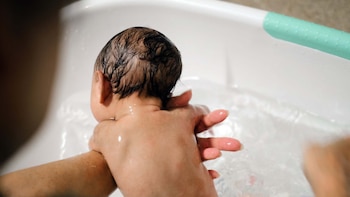
- Babies and young children: For infants and young children, the ideal time to bathe is in the afternoon or at night. A warm bath before sleep facilitates relaxation and establishes routines that encourage better rest. During these baths, it is crucial to keep them brief, use soft products, and maintain a temperate temperature due to their sensitive skin.
- Teenagers: During adolescence, increased sweating and physical activity necessitate morning baths to start the day feeling fresh and clean. If involved in sports or intense activities, an additional bedtime shower can prevent acne and skin irritations caused by sweat accumulation.
- Adults: Many adults prefer morning showers to activate their bodies and enhance concentration, while others choose to shower at night for relaxation after a long day. Regardless of the choice, maintaining a daily bathing routine is crucial. It is advisable to shower briefly (1 to 5 minutes), which helps remove dead cells and bacteria without damaging skin health.
- Older adults: For the elderly, skin becomes drier and more fragile, making daily baths unnecessary. Bathing two to three times a week (alongside targeted area cleaning) is generally sufficient. This helps prevent infections and odor while avoiding skin irritation.
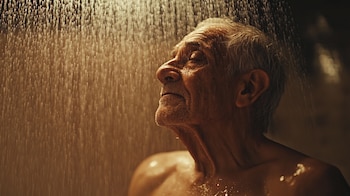
The ideal water temperature for bathing is tepid, never hot . Hot water can strip the skin of natural oils, leading to dryness, itchiness, and increased sensitivity, ultimately compromising the skin’s protective barrier. It is especially recommended for older adults to test the water temperature before entering to prevent sudden temperature shifts that may cause dizziness or falls.
Bathing at the appropriate time and adopting good practices can help prevent various ailments and discomforts:
- Skin infections (fungi, bacteria, irritations): Proper cleansing eliminates sweat and bacteria, particularly in sensitive areas like armpits and feet.
- Dermatitis and irritations: Regular skin cleansing using warm water decreases the likelihood of dryness and dermatitis.
- Skin issues in older adults (ulcers, pressure irritations, infections): By maintaining focused hygiene routines, the risk of skin lesions is substantially lowered.
- Emotional and self-esteem disorders: Proper hygiene positively influences psychological well-being, fostering better self-perception and reducing social isolation.
- Regulated hygiene according to age: Minimizing the adverse effects of excessive bathing, such as the alteration of skin microbiota and loss of natural oils.
A bath should last on average 5 to 10 minutes to be healthy and sustainable. Extended exposure can dry out the skin, strip away protective oils, and unnecessarily increase water consumption. Dermatologists recommend using warm water, avoiding overly hot temperatures that can harm the skin barrier. A brief bath suffices to cleanse, relax, and maintain good daily hygiene , also conserving water and energy, which benefits both the environment and personal finances. In essence, a concise shower is most advisable.
Frequent bathing may seem like a beneficial practice; however, it can create various skin and health issues. Overuse of hot water and soaps removes natural skin oils, leading to dryness, irritation, and itching . This also weakens the skin barrier, facilitating the entry of bacteria and allergens, while altering the microbiome balance, thus diminishing the body’s natural defenses. It may even impact hair health, rendering it brittle and lacking luster. Therefore, moderation is key when bathing while prioritizing post-shower skin hydration.
Bathing frequency may also be influenced by seasonal changes due to weather shifts and physical activity. In summer , high temperatures and perspiration often necessitate more frequent baths to keep the skin clean and fresh. Conversely, in winter , when the atmosphere is drier, daily baths with very hot water can lead to skin dryness, suggesting the need to space out bathing or use milder soaps . Adapting hygiene habits according to the season is vital for safeguarding skin health and improving overall well-being.