
## The Coldest Christmas in 15 Years: Weather Patterns and Upcoming Predictions
On December 25, 2025, Spain experienced a remarkable weather event: the coldest Christmas in over 15 years. Reports indicated temperatures dropping to -6ºC across half of the country, with snow levels reaching as low as 500 meters. Although warnings were issued, they didn’t fully capture the gravity of the situation.
### Understanding the Weather Phenomenon
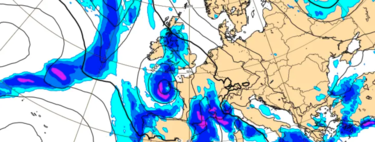
What caused this unusual cold snap? The answer lies in the combination of polar air and precipitation from the east. An atmospheric blockage to the north diverted these cold air masses, leading to a series of storms impacting the region. As a result, the nation faced icy conditions, nighttime frost, and even snowfall at lower altitudes, causing disruptions on around thirty roads.
#### The Hidden Danger of Ice
While snow may steal the spotlight during such events, the more pressing concern is the risk of ice forming on secondary roads and mountain passes. The amalgamation of humidity and night frosts creates invisible ice plaques, especially critical during the busy holiday travel season. This unseen menace can turn roads into hazardous zones for drivers.
### Declining Cold Intensity: What to Expect Next?
As we look ahead, predictions indicate a slight moderation in the cold, even as minimum temperatures remain low, sustaining the risk of frost. Following Christmas, the instability in the Mediterranean and parts of the Andalucía Atlantic coast may continue into the weekend.
New Year’s Eve is another significant mobility day, and forecasts suggest colder-than-usual temperatures for much of Spain—excluding the Canary Islands. However, significant rainfall is not expected during this festive period.
### A Shift from Warm to Cold: A Rare Occurrence
Reflecting on recent Christmases, we find a stark contrast. In 2023, temperatures were pleasantly mild, and in 2022, many spent the holiday in short sleeves. Even in 2021, areas like Bilbao saw temperatures spike up to 25 degrees – firmly placing these earlier instances in the top percentile of warm Christmases.
This year’s cold event starkly contrasts this trend of increasingly warm Decembers, raising the question: Is this dip in temperatures an anomaly or the beginning of a new trend?
### The Future of Winter Weather Patterns
Climate models indicate that cold snaps like this may become rarer, suggesting that we should appreciate this cold while it lasts. As we transition further into 2026, January remains uncertain, but the past several winters have shown a pattern toward warmer weather overall.
Overall, the coldest Christmas in 15 years presents a unique opportunity to reflect not only on immediate weather patterns but also on broader climate trends. As temperatures fluctuate, adapting to these changes becomes increasingly important for both individuals and communities.
Image | ECMWF
In Xataka | La Niña is predicted to be “less intense” than previously expected, highlighting ongoing climate complexities.