
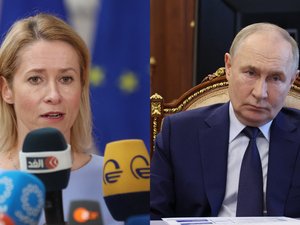
The European Union has taken an assertive stance in response to Russia’s ongoing aggression in Ukraine, adopting its 18th package of sanctions targeted specifically at the energy and oil sectors. This significant step reflects the EU’s commitment to applying pressure on Russia, ensuring that the costs of its military actions are ever-increasing. High-profile leaders within the EU, including Ursula von der Leyen and Jean-Noël Barrot , hailed the sanctions as “ unprecedented ,” showcasing the determination of member states to maintain a unified front against Russian expansionism.
This latest round of sanctions is particularly noteworthy, as it incorporates a crucial mechanism for setting a price ceiling on Russian oil. According to sources familiar with the discussions, diplomats revealed that the new package includes a reduction of the oil price ceiling set by the G7 from $47.60 per barrel. This action aims to limit Russia’s revenues from oil exports, a vital financial resource that fuels its military endeavors.
Kaja Kallas , the high representative for foreign affairs within the EU, emphasized the significance of this agreement, claiming, “*The EU has just approved one of its most severe sanctions trains against Russia to date.*” She reiterated the EU’s commitment to escalating economic pressure , stating, “*We will continue to increase costs, so that the stopping of the attack becomes the only way to follow for Moscow.*”
Gas Prohibitions and Financial Restrictions
One of the standout components of this new sanctions package is the comprehensive ban on transactions related to the Russian Nord Stream pipelines and further financial restrictions targeting the Russian financial sector. Ursula von der Leyen, President of the European Commission, stated, “*I welcome the agreement on our 18th package of sanctions against Russia. We hit the heart of the Russian war machine. We are targeting its banking, energy, and militaro-industrial sectors and we include a new dynamic ceiling for the price of oil.*” This underscores the EU’s strategic approach to crippling the infrastructure that supports Russian military operations.
Simultaneously, Jean-Noël Barrot, the French Minister for Foreign Affairs, highlighted the role of France and the United States in this collaborative effort. He tweeted, “*It is done! We Europeans have adopted this morning unprecedented sanctions against Russia and the countries that support it. With the United States, we will force Vladimir Putin to a cease-fire.*” His declaration expresses belief in a united Western response to Russia’s actions.
However, the implementation of this sanctions package faced hurdles, primarily due to the reluctance of Slovakia to approve it without further negotiations. Bratislava sought guarantees from Brussels concerning a separate European initiative aimed at gradually reducing imports of Russian gas , with a target of complete cessation by January 1, 2028 . This disparity among member states reveals the complexities of unanimous decision-making in the EU, balancing national interests with collective security concerns.
As the energy crisis looms over Europe, the urgency for these sanctions becomes even more apparent. The reliance on Russian energy has long been a contentious issue, and the new sanctions aim to mitigate this dependence while promoting energy independence among EU nations. The implications of these sanctions extend beyond economic consequences; they also send a strong message to Moscow about the unity and resolve of the European Union against military aggression.
The road ahead remains fraught with challenges as the geopolitical landscape continues to evolve. The effectiveness of these sanctions will hinge not just on their immediate impact but also on the collective commitment of EU member states to maintain rigorous enforcement and adapt to potential countermeasures from Russia. Looking forward, the international community will be watching closely to see how these sanctions unfold and their effect on both the conflict in Ukraine and global energy markets .
Overall, the EU’s 18th package of sanctions represents a pivotal moment in the ongoing conflict, illustrating a robust political will to address the actions of the Russian government. As leaders continue to rally support within their borders and seek ways to hold Russia accountable, the implications of this comprehensive sanctions push will likely shape not only the future of Ukraine but also the enduring relationship between Europe and Russia.