
In recent months, you may have come across news about the end of support for Windows 10. If you’re using a computer with this operating system, you might be contemplating when to upgrade to Windows 11 or whether to seek an alternative. The idea of sticking with an unsupported OS is generally seen as a risky decision. And for good reason: it leads to a loss of security patches, compatibility with new applications, and protection against potential threats.
However, not everyone appears to be overly concerned with staying updated. A particularly surprising example comes from a vital yet delicate sector: air traffic control in the United States. In some control towers, technology from a bygone era is still in use—literally from the last century.
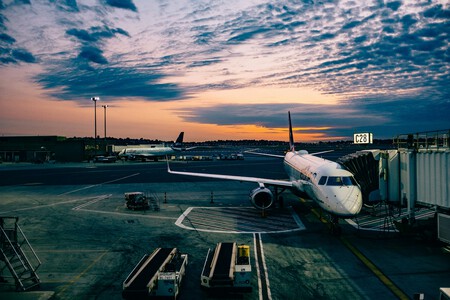
This sobering fact was confirmed this week by Chris Rocheleau , acting administrator of the FAA (Federal Aviation Administration), during a statement to the House Appropriations Committee. His message was clear: some control towers are still using paper strips and floppy disks for flight coordination. These technologies, introduced in the 1970s, remain operational at certain airports across the country.
The public radio network NPR has added fuel to the fire, stating that there are even computers still operating on Windows 95 (yes, Sweden’s trains are not the only ones using this system). Although a more modern alternative than floppy disks, this operating system no longer receives support—its extended support ended over two decades ago. Microsoft discontinued updates for Windows 95 on December 31, 2001, offering no guarantees or security support for this environment today.
Outdated Technology, Yet Functional
So why are these technologies still in use? The answer is simple: they work. They have been functioning reliably for decades. Air traffic control systems (known as ATC) must remain operational 24/7 , and this historical reliability has seemingly led nobody to take the leap of faith needed for a complete overhaul. However, this margin for inaction is beginning to dwindle.
The new Secretary of Transportation, Sean Duffy , has highlighted that modernizing the system is now a national priority. In his words, “this is the most important infrastructure project the country has seen in decades.” This statement aligns with growing concerns within the sector: from controller unions to industrial groups like Modern Skies , calls for deep reforms have begun to resound.
The Government Accountability Office (GAO) published a report in March 2025 with striking conclusions: of the 138 systems comprising the FAA’s infrastructure, 51 were deemed unsustainable , and 54 were classified as potentially unsustainable. Many have been in service for over 30 years, while some date back more than 60 years.
The report warns that these platforms are not only vulnerable to technical failures; they are also becoming increasingly difficult to maintain. There are no longer spare parts available, specialists for these antiquated architectures are retiring, and temporary fixes, such as virtualization, are not always applicable in critical environments.
Faced with this troubling scenario, the Department of Transportation has opened a call for proposals from private companies to tackle this next-generation technology challenge. In the meantime, the current system remains operational, but is increasingly being built on a fragile foundation. Time will tell if this moment will finally lead to a shift towards a modernized infrastructure.
Images | Rohde Schwarz | Microsoft | Ashim D’Silva
As the discussion surrounding outdated technology and the importance of security continues, it’s crucial for sectors like air traffic control to make substantial changes. Only then can we ensure that our skies remain safe and secure for the future.