

Hello, London!
Waymo has confidently announced plans to operate its driverless robotaxis in London starting next year. However, before embarking on this ambitious venture, the company must engage with local authorities to secure the necessary approvals and gain trust for the safety of its technology. This endeavor is not just a new chapter for Waymo but serves as a crucial litmus test for autonomous driving technologies in Europe.
What is Already Known. Recent reports indicate that Waymo is setting its sights on providing driverless rides next year, though this will not be the case immediately. The company, a spin-off from Google’s autonomous vehicle initiative, is intent on gaining regulatory approval before offering unmanned rides. For the time being, Waymo will operate human-piloted vehicles in designated areas of the city, transitioning to fully driverless service after securing the required permissions.
Waymo’s intent to introduce its services reflects a broader interest in autonomous technology in urban areas. With this initiative, the company aims to demonstrate the safety and reliability of self-driving cars while navigating the complexities of urban driving.
Why London? The selection of London for this groundbreaking endeavor is far from arbitrary. The city is home to a variety of stakeholders, including Uber and Lyft , who also aim to introduce fully autonomous vehicles. Should any of these companies receive approval, London could become the first city in Europe to embrace this innovative technology.
Since last June’s announcements, the UK government has laid out intentions to allow these services by spring 2026 . The Department of Transport has even accelerated the timeline for broader implementation, intending to have these services operational nationwide by 2027 .
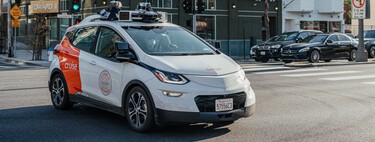
A Trial by Fire. The array of companies vying to deploy their robotaxis presents a formidable challenge to the validity of autonomous technology within Europe. The infrastructure in London—characterized by narrow streets, intricate roundabouts, and extensive pedestrian activity—poses a significant hurdle. Vehicles must adeptly manage a host of variables in real-time, raising questions about their reliability in complex environments.
The challenges presented by European urban planning render it difficult for any autonomous vehicle to navigate effectively, complicating the demands placed on companies like Tesla and Waymo by requiring advanced decision-making capabilities in unpredictable conditions.
With Leaden Feet. Despite progressive strides, Europe remains cautious about fully autonomous driving. Mercedes and Ford are among the few companies currently permitted to test vehicles under controlled conditions, though with limitations. For example, Mercedes requires well-mapped roads while Ford mandates that a driver is always ready to intervene.
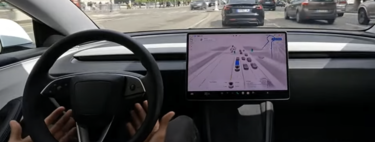
Advocacy for faster regulatory approval has gained traction, especially from Tesla, which showcases its Full Self Driving capabilities globally. This focus on technological advancement influences the ongoing dialogue about urban mobility.
The Security. One of the primary concerns surrounding autonomous vehicles is safety. Waymo claims its technologies actually reduce accident rates significantly—by up to 78% compared to human drivers. However, convincing the public of this safety narrative remains a monumental task, particularly following instances where autonomous vehicles were implicated in serious incidents.
Ultimately, autonomous vehicles will need to interact seamlessly with human behavior. In many instances, errors could arise from unexpected actions taken by pedestrians and other drivers, further complicating safety assessments.

What’s at Stake? The financial implications are staggering, with potential revenues nearing $600 billion in under a decade—including sectors that could benefit from autonomous vehicle technology. Yet, transitioning to this innovative service model threatens traditional drivers and jobs, causing pushback in various regions.
As skepticism surrounding this new technology persists, particularly within the taxi community, the road ahead will require transparent dialogue, rigorous testing, and unwavering commitment to safety. As Waymo prepares to launch its services in London, the implications will ripple throughout Europe, setting the stage for a transformative era in urban mobility.