
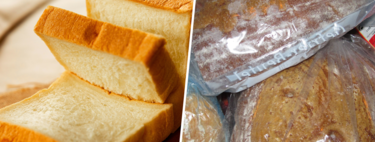
The Decline of Bread Consumption in Spanish Homes
There was a time when *bread * was a staple on every table in Spain . A cultural icon as much as a dietary necessity, its presence was inextricably linked to Spanish meals, serving as one of the fundamental pillars of nutrition. However, this is no longer the case. Recent reports indicate that *bread consumption * in Spanish households has seen a sharp decline, leaving many to wonder: what has caused this shift?
The Numbers Speak Volumes
According to data released by the EfeAgro agency, the average Spaniard now consumes *25% less bread * than just a decade ago. This statistic is startling and raises the question of what contributes to this downward trend.
The Ministry of Agriculture, Fisheries, and Food provides more insight with its consumption panel that reveals a clear picture: bread consumption in households has plummeted. Analyzing the data, we see a significant decrease in *annual per capita bread consumption *, with records showing that the measures have evolved over time, including distinctions between fresh, unpackaged, and industrial varieties.
Bread (total) | Fresh bread | Industrial bread | |
|---|---|---|---|
1990 | 56.4 | 52.9 | 3.5 |
2000 | 50.1 | 46.4 | 3.7 |
2010 | 36.3 | 30.8 | 5.5 |
2020 | 32.8 | 26 | 6.8 |
2024 | 27.4 | 21.5 | 5.9 |
A Historical Perspective
Looking back to the 1960s and 1970s, the contrast becomes even more pronounced. In 1964, the average consumption of bread-making cereals in Spain was approximately *92.5 kg * per person per year. By the 1970s, this figure had already dipped to *76.6 kg *. In recent years, the most recent governmental report noted a decrease in overall per capita consumption by *0.2% * compared with the previous year, although it’s worth noting that some forms of bread are experiencing an uptick in popularity.
Positive Trends Amid Decline
Despite the overall decline, there are positive signs. The Ministry of Food published a report indicating that bread purchases rose by *3.9% * from August 2024 to July 2025. This brings annual per capita consumption to *27.8 kg *—still below the *34.9 kg * recorded in 2015, but indicative of a potential resurgence.
Remarkably, bread maintains a *99.8% penetration * rate in Spanish homes, generating significant revenue evident from the *3.4 billion euros * in business generated during the reported period. This statistic highlights the enduring presence of bread in Spanish culture, even as consumption trends fluctuate.
Understanding the Decline
As we ponder the reasons behind the decreasing bread consumption, several factors emerge. First, its price has surged by nearly *29% * over the past decade. However, it remains competitive, as recent CPI data shows a lower increase compared to other food items.
Another compelling factor is the changing habits of consumers. A greater availability of alternatives to bread , alongside a more varied diet , means bread is no longer a requisite side at every meal. As societies become more prosperous, the consumption of staples like bread tends to decline. Furthermore, the rise of more satiating alternatives, such as whole grain bread, has impacted the market.
The Dietary Perception
The perception that bread contributes to weight gain has also played a significant role in reduced consumption. Nutrition experts have noted that some diets advise against bread, citing its high glycemic index as a contributor to obesity and diabetes. However, this viewpoint neglects the differences between traditional sourdough and modern industrial bread.
As we navigate the complexities of bread consumption in Spain, it becomes clear that cultural habits and personal preferences are evolving. With rising awareness of health and nutrition, the conversation surrounding bread continues to develop. Whether bread can reclaim its esteemed place at the table remains to be seen, but its story is far from over.