
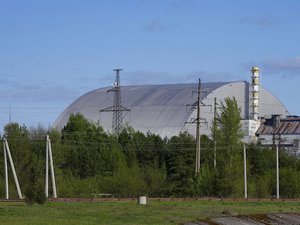
The International Atomic Energy Agency (IAEA) reported a concerning breach of safety at the Chernobyl nuclear power plant in Ukraine, attributed to a recent drone attack. The situation has reignited fears surrounding nuclear security in a region already strained by ongoing conflict.
IAEA’s Warning: Structural Damage
A thorough inspection by the IAEA revealed that the arch designed to safeguard the compromised reactor at Chernobyl is no longer functioning effectively. Rafael Grossi, the IAEA’s director, emphasized the severity of the findings, stating that the protective shell had lost crucial containment abilities. Despite this alarming deterioration, Grossi assured that the supporting structures and surveillance systems remained intact.
Details of the Drone Attack
On February 14, Ukrainian authorities disclosed that a drone laden with explosives struck the Chernobyl site, igniting a fire and causing damage to the protective arch. The allegations directed blame at Russia, yet Moscow categorically denied any involvement in the incident. The conflicting narratives heighten the already volatile atmosphere surrounding the power plant, a site of historical significance due to the catastrophic 1986 meltdown.
Impact on Radiation Levels
Following the drone attack, the IAEA reassured the public that radiation levels around Chernobyl remained stable. This information is crucial as it alleviates immediate concerns, yet the structural damage raises long-term questions about nuclear safety in a conflict zone. The Chernobyl plant not only holds significance for Ukraine but also poses a risk to environmental and public safety across borders.
The Sarcophagus: A Brief Overview
The sarcophagus, an arch-shaped metallic structure, was constructed to cover the original shelter built during the Soviet era, which had drastically outlived its intended lifespan. This containment system was meant to prevent the release of radioactive materials into the environment. However, the recent attack compromises its integrity, making it essential to reassess Chernobyl’s protective measures as tensions escalate in the region.
The Broader Context of the Conflict
The drone attack raises significant implications regarding the ongoing war in Ukraine, highlighting the dangers of military operations near sensitive nuclear sites. With allegations and counterclaims flying between Ukraine and Russia, the incident underscores the potential for catastrophic human and environmental consequences should nuclear safety protocols continue to be disregarded in the heat of warfare.
Conclusion: A Call for Vigilance
The situation at Chernobyl demands urgent attention from international authorities to ensure that such incidents do not lead to a broader catastrophe. As investigations continue and narratives unfold, the global community must remain vigilant against threats to nuclear safety, especially in regions grappling with armed conflict.