
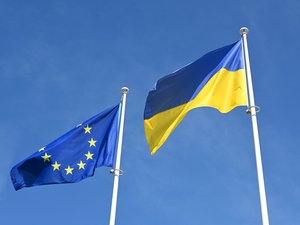
The European Union is deepening its commitment to supporting Ukraine by proposing to train Ukrainian soldiers directly within the country. This initiative is contemplated to streamline training processes and minimize the distance Ukrainian forces need to travel from the front lines. Three training centers have already been set up in western Ukraine, but as of now, they remain inactive due to a lack of resources.
Recent strategic reports prepared by the EU Advisory Mission to Ukraine (EUAM Ukraine) and the European Union Military Assistance Mission to Ukraine (EUMAM Ukraine) suggest that training soldiers on Ukrainian soil is becoming an increasingly viable option.
Since its inception in 2014 , EUAM Ukraine has trained over 80,000 Ukrainian soldiers , equipping approximately fifteen brigades across eighteen member countries . Various training programs have been implemented; one notable program focuses on training F-16 and Mirage pilots, requiring a substantial budget of 360 million euros .
4,000 to 20,000 Soldiers
As talks continue regarding the potential for a peace agreement , the Ukrainian government is advocating for a quicker, more localized training initiative that could elevate the number of trained soldiers from 4,000 to 20,000 . EUMAM’s strategic review indicates that while three training centers exist in western Ukraine, they are not yet operational due to “a lack of adequate infrastructure and qualified external trainers.” This situation complicates training logistics, as Ukrainian forces currently face long journeys away from the front lines.
Furthermore, the discussion around military deployment in Ukraine has garnered attention, particularly if a ceasefire is established. Nations such as France and the United Kingdom are reported to support direct troop deployment, while countries like Poland and Italy are more hesitant. Decisions would be made on a case-by-case basis, underscoring the delicate nature of international military intervention amidst ongoing conflict.
The proposed training centers, once operational, stand to significantly bolster Ukraine’s military capabilities. Partner nations are keenly aware that effectively trained soldiers are fundamental to Ukraine’s sovereignty and security, especially as tensions continue to escalate in the region. Enhancing scheduling and infrastructure for these training operations will be crucial to the success of this initiative, providing teams with timely skills and strategies necessary for modern warfare.
Additionally, there’s an increasing recognition of the technological aspects of military training. As Ukraine continues to modernize its military assets, particularly with the integration of Western technologies , the emphasis on cybersecurity training has also come to the forefront. Cyber warfare is rapidly becoming a pivotal component of modern military strategy, and training programs now encompass this critical area. With cyber threats becoming more sophisticated, ensuring that Ukrainian forces are adept in these modern confrontations is key to maintaining national integrity.
Moreover, veteran support programs are being integrated into training missions, acknowledging the challenges faced by returning soldiers. Offering psychological and logistical support is vital for reintegrating veterans into civilian life, ensuring that they are prepared both on and off the battlefield. The European Union recognizes the importance of comprehensive support systems, not only improving direct military effectiveness but also addressing the toll of ongoing conflict on individuals and families.
As the situation in Ukraine evolves, so too does the EU’s response. By prioritizing direct training initiatives within Ukraine, the EU aims to foster a self-sufficient military structure in the long run. Localized training centers can not only provide quicker training cycles but also enhance the morale of troops who can remain closer to their homes and communities. This localized approach has the potential to yield better-trained forces ready to respond efficiently to immediate threats, while also reassuring the Ukrainian population of their government’s commitment to national security.
In conclusion, the EU’s efforts to establish training facilities directly in Ukraine signal a pivotal move toward strengthening the Ukrainian military. As the need for trained personnel increases, the success of these initiatives hinges on overcoming logistical and infrastructural challenges. Such enhancements could represent a significant advancement in ensuring Ukraine’s capacity to defend its sovereignty while maintaining the well-being of its people amidst ongoing strife.