
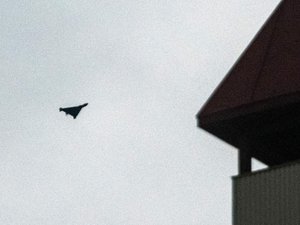
Europe’s Warnings: The Imperative of Anti-Drone Readiness
On November 17, European Defense Commissioner Andrius Kubilius issued a stark warning in Vilnius: Europe is woefully unprepared to face a large-scale drone attack from Russia. He emphasized the urgent need for the continent to integrate Ukraine’s hard-earned experience and advanced capabilities into its anti-drone defense strategy. Ignoring this call may lead to what Kubilius termed a “historic mistake,” potentially undermining both Europe’s security and Ukraine’s resilience.
The Need for Effective Anti-Drone Strategies
Kubilius pointed out a significant concern: “We are not ready to detect and neutralize Russian drones.” This statement reflects a daunting reality faced by European nations. Russian tactics have evolved rapidly, leveraging drones and missiles in conflict scenarios. Kubilius posed a critical question to European leaders: “The Russians learn quickly. And us?” This underlines the urgency for Europe to adapt and innovate its defensive measures.
The Changing Nature of Warfare
The ongoing war in Ukraine has fundamentally altered modern combat dynamics. Kubilius noted, “The wars of tomorrow will not be won with tanks and artillery, but with drones and missiles.” This shift means that conventional military strategies might no longer suffice for effective defense, highlighting the need for a robust anti-drone framework that incorporates cutting-edge technology and tactics.
Collaborating with Ukraine: The Path Forward
Kubilius strongly advocated for collaboration with Ukraine, stating that “this is the only way for us to learn from Ukraine, not only how to make drones, but also how to build a whole ‘ecosystem’.” Ukraine’s experience in countering drone threats offers critical insights that Europe can utilize. By learning from Ukraine, Europe can develop comprehensive strategies that encompass technology, intelligence gathering, and rapid response protocols.
Risks of Inaction
Failing to integrate Ukrainian experience into Europe’s defense strategy risks creating vulnerabilities. Kubilius warned, “If we do not do this, we will make a historic mistake, which will weaken us, and which will weaken Ukraine.” This statement echoes the necessity for European nations to be proactive in their defense initiatives, particularly along their eastern borders.
Strengthening Eastern Defense
As tensions rise along Europe’s eastern flank, countries are striving to bolster their defense mechanisms. Responses to Russian drone incursions have already begun, with plans to establish an “anti-drone wall.” However, the specifics of this strategy remain to be defined. The initiative underscores the urgency for a unified, strategic approach tailored to counteract evolving aerial threats.
Conclusion: A Collective Responsibility
The current geopolitical climate underscores a critical reality for European nations: collective action and adaptation are paramount. The lessons from Ukraine, particularly regarding drone warfare, cannot be overlooked. As Europe stands on the brink of potentially significant threats, the focus must be on fostering an agile, integrated defense strategy. By working closely with Ukraine and learning from its experiences, Europe can not only fortify its own defenses but also establish a more secure environment for all its nations.