
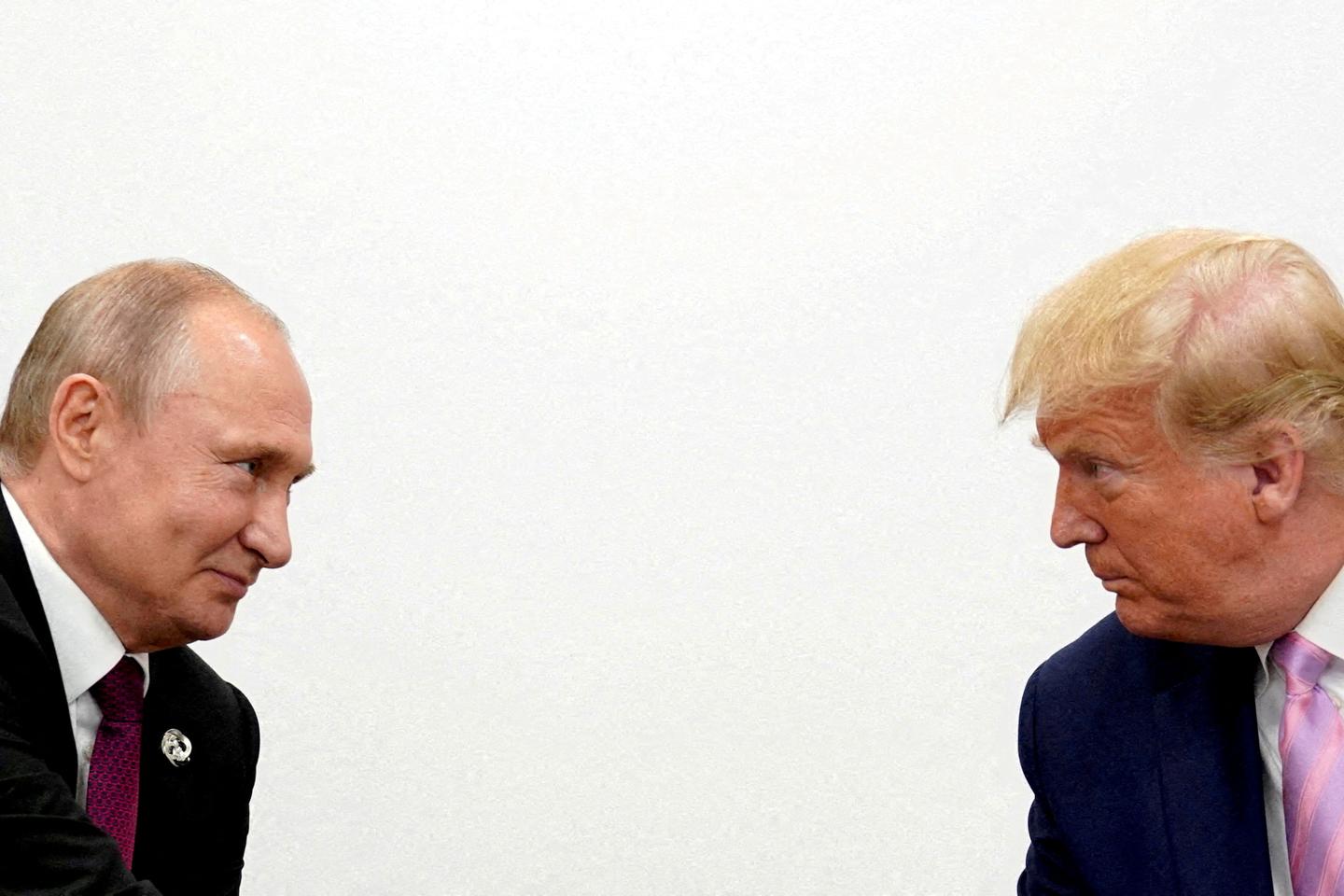
A New Chapter in US-Russia Relations
On May 19, 2025, Donald Trump and Vladimir Putin engaged in a **telephone conversation** that lasted two hours. Despite the lengthy discussion, it resulted in **no concrete outcome**. Nevertheless, the political landscape in both **Washington** and **Moscow** portrayed the conversation in a **positive light**. This portrayal serves to maintain a narrative of **hope**, emphasizing that neither leader wishes to be seen as creating a rift or a failure in their relationship.
A Diplomatic Tightrope
The motivations behind the call are layered. Trump seeks an **extended cease-fire** in Ukraine, hoping for an ultimate resolution to the ongoing conflict. He acknowledged the complexities involved, stating, “Big egos are involved, but I think something will happen.” This underscores the nature of both leaders’ temperaments and the intricate web of **international diplomacy**.
In his comments, Trump implied that if the situation does not evolve, he would be prepared to withdraw from negotiations, leaving the ongoing issues for the **Europeans** to address. This statement reflects not only a diplomatic stance but also an underlying frustration that such significant international issues remain unresolved.
Sanctions and Economic Promises
In the same press release, Trump notably refrained from mentioning any **new sanctions** against Russia. Instead, he focused on broad assurances of **prosperity** through potentially lucrative trade agreements. These statements contrast markedly with the stance held by European leaders, who have been advocating for a **hardening of sanctions** against Russia in response to its actions in Ukraine.
This divergence may highlight a potential rift in how geopolitical strategies are formulated between the **U.S.** and its European allies. The White House’s current position appears to favor a less confrontational approach, opting for dialogue rather than escalation.
Public Reception and Media Influence
The reaction to this diplomatic outreach has been mixed. Critics argue that the continued engagement with Russia, especially in light of its ongoing invasion of Ukraine, may be perceived as **weakness**. Conversely, some observers believe that communication is vital in steering relations towards a more stable and peaceful trajectory.
The media has played a crucial role in shaping public perception. As politicians navigate these complex waters, headlines and reports often serve dual purposes—informing the public while also framing the narrative to suit political agendas. It is essential, therefore, for journalists and commentators to operate with a **sense of responsibility** in their analyses of such significant geopolitical discussions.
The Broader Context
The call between Trump and Putin occurs against a backdrop of longstanding tension that has defined U.S.-Russia relations, especially since the **2016 U.S. election** allegations and subsequent investigations into Russian interference. As these historical elements linger in the background, each interaction between these two leaders is scrutinized for indications of **shifts** in their relationship.
As the situation evolves, the stakes become higher. The continued instability in Ukraine not only has **humanitarian implications** but also geopolitical ramifications that could influence other nations and their policies towards **Russia** and the West.
Looking Ahead
In summary, while the recent conversation may not have yielded tangible results, it serves as a noteworthy chapter in the ongoing saga of U.S.-Russia relations. The **international community** watches closely to see how these interactions might impact future engagements. With **global stability** hanging in the balance, the manner in which leaders communicate and negotiate will remain pivotal in shaping the geopolitical landscape.