
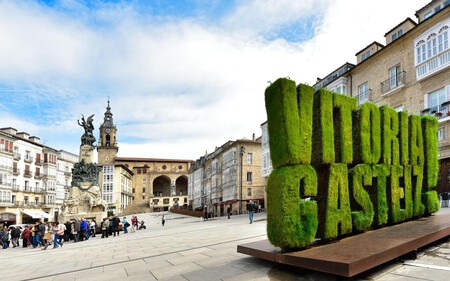
Vitoria-Gasteiz: The Green Capital in Crisis
Vitoria-Gasteiz is known for many admirable attributes, including its gastronomy , stunning landscapes , and rich heritage . However, the city’s recent claim to fame has been its impressive green areas . The local government insists that Vitoria boasts 42 square meters of green space per person, routinely placing it in the TOP 10 of Spain’s greenest cities. The title of European Green Capital was also awarded to this beautiful Basque capital for its commitment to environmental sustainability. Yet, a recent labor dispute has turned these lush landscapes from a point of pride into a pressing issue.
The parks, once a badge of honor, are now a cause for concern.
Vitoria: The “Green Capital”. In an era where global warming has become a focal point in urban planning, many cities are adopting a more eco-friendly approach. Vitoria-Gasteiz stands out as a leader in this green revolution. According to the local government’s website, the city boasts an extensive 171 kilometers of bike lanes, 115,000 trees lining the streets and parks, and a 33-kilometer Green Ring that incorporates hectares of agricultural land.
This ambitious vision has yielded positive results, positioning Vitoria-Gasteiz among the top-tier green cities in Spain. The city’s green initiatives have garnered international recognition, including titles such as European Green Capital 2012 and Global Green City 2019 . Vitoria prides itself on being a “green capital” .
And then the strike happened. For several months now, residents of Vitoria have been looking at their expansive green areas—encompassing parks, gardens, roundabouts, and tree pits—with growing unease. The primary reason for this discomfort? The professionals responsible for maintaining these spaces have gone on strike. In late March, the committee representing Enviser, the company tasked with maintaining the city’s green areas, announced a labor strike to demand better working conditions.
“Their working conditions are deplorable, with salaries barely reaching the minimum wage while they endure grueling hours,” stated the ELA union in March. The laborers working for Enviser reportedly earn around €10,000 less per year compared to municipal employees doing the same work, while putting in over a hundred extra hours annually .
On the first day of the strike, participation was nearly 90% , according to the workers, revealing that the city’s municipal gardeners are insufficient to manage all the parks and gardens.
“This poses a risk”. Three months later, despite various attempts at mediation, the gardener strike continues, much to the distress of local authorities and residents. The ramifications of the strike became glaringly apparent almost immediately. With pruning, watering, and debris removal halted, the city’s vegetation has spiraled out of control. Reports in May highlighted excessive weed growth, waist-high plants in gardens, slippery sidewalks, and an infestation of insects, including ticks and mosquitoes.
“The rise of fleas and ticks is becoming commonplace and poses a health risk,” acknowledged Rafa Busto from the ELA union to Crónica Vasca . Alongside the overgrown weeds and park neglect, allergy sufferers face an especially challenging year. After three months of strike, the news has escalated to become a national concern , eliciting complaints from furious citizens.
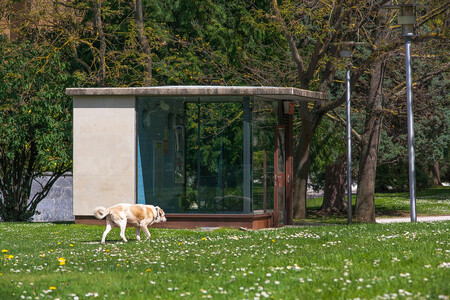
“It threatens lives”. The situation has reached a tipping point, prompting the Basque Government to issue a mandate requiring minimal care of green areas. This decree allowed mowers to return to Vitoria’s parks but has inflamed tensions further. Unions have indicated they will contest this order, insisting it “conditions the strike.” Reports from the transport and fire services on which the government based its decision are emphatic, warning of serious dangers.
“The lack of vegetation management threatens lives, properties, and public health, while overwhelming emergency services,” warned the fire department in their analysis. Additionally, traffic services highlighted issues where overgrown vegetation obstructs visibility of traffic signals and signs.
More vegetation, more flowers. Not all consequences of the strike have been negative, nor are opinions unanimous. The rains and uncontrolled growth of shrubs have led to a floral explosion in various areas of Vitoria, delighting botanists and biologists alike. “Flowers we previously considered rare can now be found in virtually every flowerbed,” noted Gorka Belamendia from the Environmental Studies Center .
“If we allow these plants to thrive, we multiply biodiversity—especially among insects and invertebrates,” agreed Pello Urrutia, president of the Alava Institute of Nature . Urban planning experts have even suggested that botanical schools should seize this opportunity to catalog the emergent flora in the city.
In conclusion, the ongoing gardener strike in Vitoria-Gasteiz not only brings forth challenges but also unexpected ecological benefits, challenging the community to find a balance between human labor and nature’s resilience.
Images | RdA Suisse (Flickr), Euskadi.eus and Mariya Prokopyuk (Flickr).