
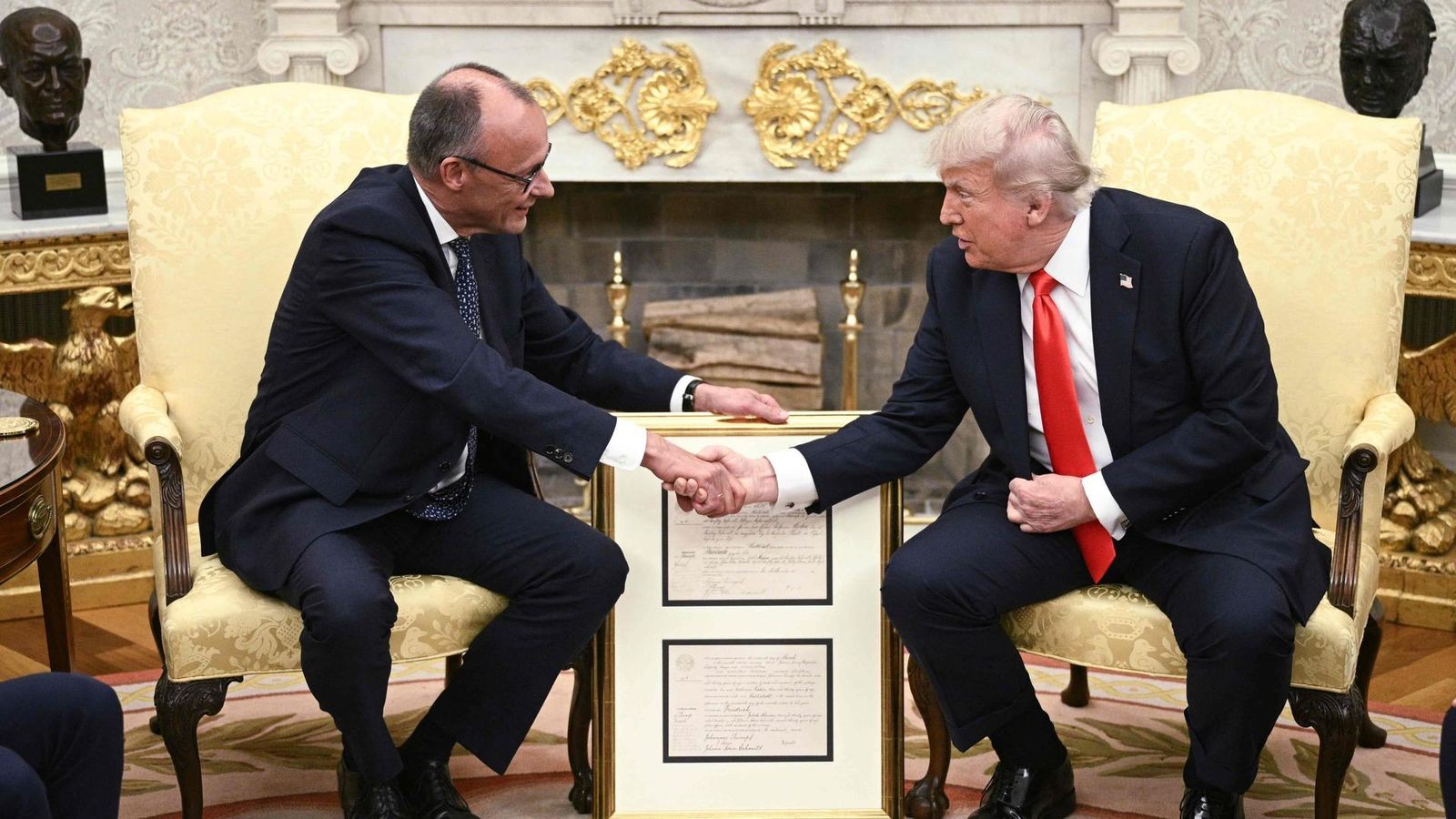
Trump’s Message to Putin: “Don’t Do It”
In a recent interview, Donald Trump recounted a phone conversation he had with Vladimir Putin the day prior. During this discussion, Trump revealed that Putin expressed the need for a robust military response, stating, “He launched an attack, and they counterattacked very hard…” Trump claims to have advised Putin against escalating the situation by saying, “Don’t do it.” Reflecting on his time in office, Trump noted his desire to exit the Oval Office with a resolution to the ongoing conflicts. “One day, there will be peace,” he said, amplifying his vision for diplomacy.
Furthermore, Trump articulated a sentiment of frustration regarding his public image. “I will never be praised for anything,” he lamented, touching on the perennial criticism he faces. Some individuals suggest he maintains a favorable relationship with Russia, to which Trump responds, “But I am nobody’s friend.” This statement highlights the complexity of international relations and his administration’s strategies during his presidency.
Trump also brought to light his decision to halt the Nord Stream 2 pipeline. He believes that this particular action deserves more recognition and appreciation from both the American public and political commentators. “How can it be that they label me as a friend of Russia?” Trump questioned, emphasizing the disconnect he feels between his actions and public perception. His relationship with Putin has often been a focal point of criticism, yet Trump insists he has successfully navigated the tricky waters of diplomacy with Russia.
The Complexity of U.S.-Russia Relations
The relationship between the United States and Russia has been fraught with tension and complexity for decades. Trump’s comments highlight the continued relevance of this geopolitical dynamic in contemporary politics. Historically, American leaders have grappled with how to engage with Russia, balancing between cooperation and confrontation . As tensions rise in various global hotspots, the need for dialogue remains critical.
Throughout his presidency, Trump faced significant scrutiny for his approach to Russia, often accused of being too lenient. His critics argue that a softer stance emboldens Russia, potentially undermining global security. However, Trump’s defenders assert that maintaining an open line of communication can prevent misunderstandings and foster stability.
Strategies in handling the intricate relationship between the two nations have ranged from economic sanctions to collaboration on nuclear disarmament. National security experts consistently argue that a nuanced approach is essential; too much isolation could backfire, while too much leniency may lead to aggressive behavior from Russia.
The Debate Over Sanctions and Energy Policy
Energy policy is another facet of the U.S.-Russia relationship that deserves scrutiny. The Nord Stream 2 pipeline, a contentious issue, symbolizes this complexity. Critics assert that the project increases European dependency on Russian energy supplies, thereby compromising regional security. Proponents, including some European officials, argue it ensures energy diversity and is essential for economic stability.
Trump’s decision to stop the Nord Stream 2 project reflects a significant aspect of his foreign policy: using economic tools to leverage diplomatic discussions. His administration believed that halting the pipeline would send a strong signal to Putin about U.S. resolve. However, the long-term effectiveness of sanctions remains a topic of debate among policymakers.
Furthermore, the energy sector is crucial for both nations. Russia primarily relies on its oil and gas exports to drive its economy, while the U.S. seeks to dominate the energy market with innovations in fracking and renewable energy sources. The competition in this arena could influence future interactions between the two powers, raising questions about collaboration to tackle climate change versus natural resource-driven rivalry.
The Path to Peace: A Diplomatic Puzzle
Trump’s assertion that “one day, there will be peace” encapsulates the hope many share regarding international relations. However, achieving tranquility in U.S.-Russia relations is intricate. Long-standing issues, such as military engagement in places like Ukraine and Syria, drastically complicate peace efforts.
Diplomacy often requires compromise and understanding between adversarial parties. Leaders have to navigate public opinion, internal political pressures, and international law, making the path to peace a convoluted process. As Trump suggests, perhaps there is merit in persistent dialogue, even in the face of conflict.
The future of U.S.-Russia relations hinges on the ability of leaders to recognize mutual interests and diversify their partnership while addressing security concerns. As previous administrations have learned, peace does not come without engage in delicate negotiations—and in this realm, every conversation matters.
In an ever-evolving geopolitical landscape, the dialogue needed for peace continues to be paramount. While tensions may flare, the commitment to having open channels of communication remains an essential aspect for resolving conflicts. Trump’s reflections on his conversations with Putin serve as a reminder of the delicate balance of diplomacy and assertive foreign policy—an ongoing endeavor that requires careful navigation.