
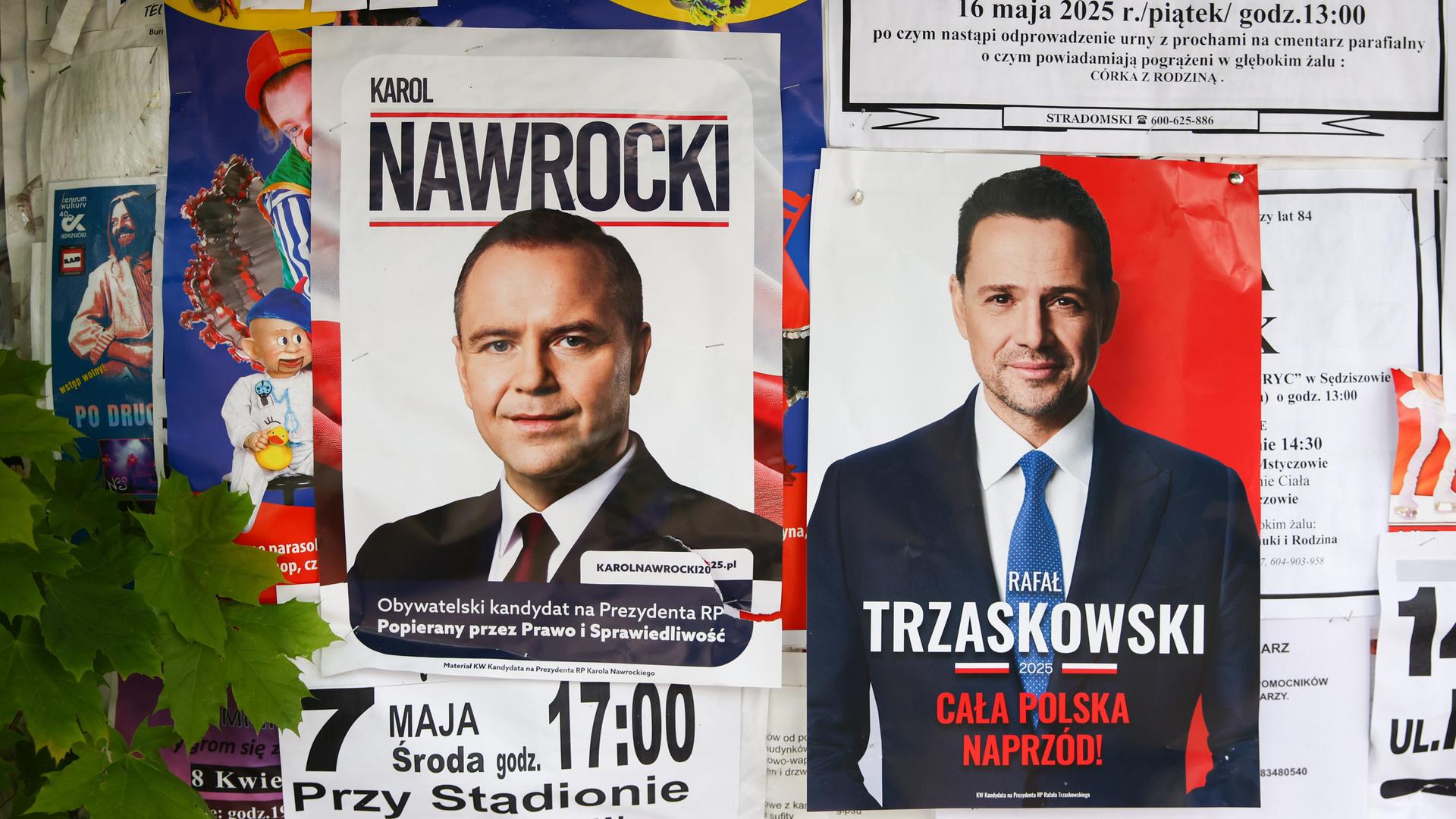
Election Overview: Candidates and Stakes
The recent presidential elections in Poland captured the attention of both national and international observers. The candidates , Karol Nawrocki and Rafał Trzaskowski, represent two vastly different visions for Poland’s future.
In the initial aftermath of the election, early estimates seemed to favor Nawrocki as he was projected to secure a significant portion of the vote. However, subsequent reports indicated that Trzaskowski gained momentum, leading to a potentially tighter race than anticipated. Given the historical significance of these elections, the stakes could not be higher. A victory for Trzaskowski would reinforce his liberal-conservative agenda, aligning closely with Prime Minister Tusk’s vision.
The Importance of High Voter Turnout
An impressive voter turnout of nearly 73% was reported this year, indicating a heightened interest among the Polish populace regarding their country’s leadership. Such participation rates are crucial, as they serve as a barometer for public sentiment and can significantly influence the outcome of elections.
While Poland has witnessed vibrant debates and discussions around pivotal issues such as the country’s foreign policy, economic stability, and social justice, many citizens remain concerned about the potential repercussions of this election. As both candidates have openly discussed their intentions, voters are weighing their options carefully.
Nawrocki vs. Trzaskowski: Diverging Policies
Karol Nawrocki, who positions himself as an anti-establishment candidate, has voiced concerns regarding Poland’s current support for Ukraine. His stance has raised eyebrows, especially in light of increasing geopolitical tensions in the region. Should he be elected, Nawrocki has pledged to block several reforms initiated by the existing government. Critics claim that his victory could lead to regressive policies and disrupt the country’s relationships within the EU .
On the other hand, Rafał Trzaskowski stands firmly behind the existing policies focused on European integration and support for Ukraine. His administration aims to deepen Poland’s ties with other EU member states , while also focusing on sustainability, social programs, and economic development. The contrast in their policies has galvanized different segments of the population to rally behind or against them.
The Role of the Polish Presidency
The Presidency in Poland is not merely a ceremonial role. The President serves as the Commander-in-Chief of the armed forces and holds significant power, including the ability to shape foreign policy and legislative proposals. Understanding these powers is critical for citizens as they cast their ballots.
The president’s influence extends beyond domestic policies. They play a crucial role in how Poland navigates the complex landscape of international relations, including issues like refugee support , economic partnerships, and defense strategies. Therefore, the elections are not simply about the candidates but the future direction of the country.
Public Sentiment and Candidate Profiles
In the months leading up to the election, both candidates heightened their visibility through aggressive campaigns, vying for the support of different demographic groups. Trzaskowski, who previously held the position of Warsaw’s mayor, emphasizes his track record and experiences in local governance. His approach has resonated well with urban constituents.
Conversely, Nawrocki has positioned himself as the voice of the disenfranchised masses, appealing to rural voters who feel neglected by the establishment. His grassroots campaigning style has attracted a loyal following, demonstrating the changing dynamics of Polish politics.
The election’s outcome will not only shape domestic policy but may also send ripples throughout the European Union . With rising economic and social challenges, Poland’s leadership will be pivotal in how these issues are addressed on both a national and continental scale.
In conclusion, the recent Polish presidential elections have spotlighted the contrasting visions of two candidates, each representing unique aspirations for the country’s future. As results continue to unfold, the implications of this election will undoubtedly resonate far beyond Poland’s borders, significantly impacting EU policies and international relations in the years to come. The voters’ choices may very well determine the trajectory not only of Polish governance but also its role within the larger European community.
General News – 2