
The Escalating Humanitarian Crisis in the Middle East
According to recent reports from the United Nations High Commissioner for Refugees (UNHCR), nearly 100,000 individuals fled Tehran within the first 48 hours of the recent military offensive launched by U.S. and Israeli forces. This alarming figure highlights the immediate and severe impact of escalating military actions on civilian populations. The humanitarian situation in the Middle East has grown increasingly dire, prompting a wave of internal and cross-border displacements.
Mass Displacements and Shelter Overload
Data shared by Lebanese officials indicate that over 83,000 people were displaced due to conflict, with approximately 399 temporary shelters being established. However, ground organizations estimate this figure could exceed 180,000. The intensifying violence has manifested in significant migrations, leading to an overwhelming influx of displaced individuals seeking refuge, particularly in Lebanon and northern Iran.
Regional Migration Dynamics
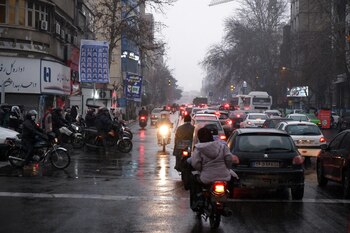
As the conflict unfolds, police reports detail that between 1,000 and 2,000 vehicles are leaving Tehran daily, primarily heading north. Individuals are fleeing in droves, driven by fear of heightened violence. Meanwhile, UNHCR has revealed that the military engagement has spread beyond Iran, affecting Lebanon, where clashes between the Israeli army and Hezbollah have displaced about 11,000 individuals, including Lebanese and Syrian nationals.
The Urgent Need for Humanitarian Assistance
In light of these massive displacements, UNHCR has warned about the notable deterioration of the humanitarian landscape. With nearly 25 million displaced people already present in the region before this crisis, the result of military actions and subsequent population movements has exacerbated an already critical situation. Humanitarian organizations face increased challenges in providing aid, given the complexities of aid distribution in an environment of ongoing conflict.
Challenges of Aid Distribution
The combination of military offensives and internal displacements poses immediate challenges for aid organizations striving to manage logistics and support infrastructure. The saturation of shelters, alongside continuous population movements, hampers effective humanitarian efforts, leading to calls for urgent intervention and resource allocation. Authorities emphasize the need for both immediate protection measures and long-term strategies to assist those displaced by violence.
Conclusion
The recent military developments in the Middle East have triggered a significant humanitarian crisis that necessitates urgent global attention. The exodus of hundreds of thousands from Tehran and surrounding areas reflects not only the immediate danger posed by conflict but also the long-term implications for regional stability, security, and the well-being of affected populations. As the situation evolves, it is crucial for the international community to respond with coordinated humanitarian assistance and sustainable policies to protect those in need.