Historic Verdict in Salta
On March 4, a popular jury in Salta delivered a significant verdict in the case of Dalma Salomé Bataches, who was tragically murdered. This ruling not only addresses a grave incident of gender violence but also sets a precedent, marking the inaugural use of jury trials in the local criminal justice system.
The Role of the Popular Jury
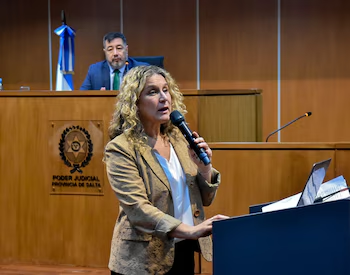
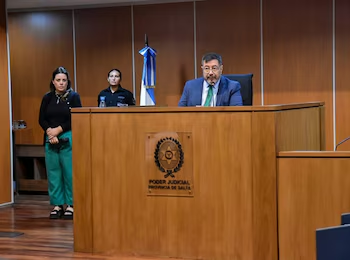
In this unique judicial process, ordinary citizens, rather than judges, are tasked with determining guilt or innocence. The proceedings featured diverse testimonies from witnesses and specialists who provided context to the events surrounding the crime. The hearings were presided over by Judge Guillermo Pereyra, with the prosecution led by María Luján Sodero Calvet and Daniel Espilocin.
Life Imprisonment Sentence
Judge Pereyra announced a sentence of life imprisonment for the defendant, Víctor Manuel Márquez, after finding him guilty of qualified homicide amid gender-based violence. The brutal murder of the 22-year-old occurred on September 15, 2024, and her body was discovered three days later, illustrating the shocking nature of the crime.
Prosecutor Sodero Calvet described the horrifying details of Dalma’s death, which involved severe physical trauma leading to asphyxiation. She emphasized that the prosecution’s case against Márquez was well-supported by evidence during the trial.
Details of the Crime
Sodero Calvet highlighted the treacherous circumstances under which Dalma was killed—specifically, in a dark, isolated area devoid of any help. The attack displayed Márquez’s physical domination over Dalma, ultimately leading to her abandonment in a location filled with waste, reflecting a profound contempt for her humanity.
Family’s Heartbreak
In an emotional response, Dalma’s mother, Andrea, recounted the painful journey of reliving her daughter’s last moments during the trial. “These last days were very painful for the family,” she said, describing the impact of hearing the coroner’s testimony and viewing images from the crime scene.
She further expressed the sorrow of recognizing her daughter’s body, stating, “When I went to recognize the body, I said it wasn’t her. The only thing that was healthy was part of the eye.” Andrea’s grief was palpable as she recounted Dalma’s struggles with addiction, underscoring the family’s continuous support.
Call for Justice
Dalma’s brother echoed the need for justice, asserting that his sister had been restricted by Márquez from pursuing her personal desires. He criticized attempts to portray the accused in a sympathetic light, asserting, “He doesn’t deserve it.”
This case highlights not only the challenges surrounding domestic abuse and femicide but also the vital role that societal involvement plays in justice. The Salta community’s engagement in the popular jury signifies a step towards greater accountability in addressing gender violence.