
Return of Syrian Refugees: An Update on Humanitarian Efforts
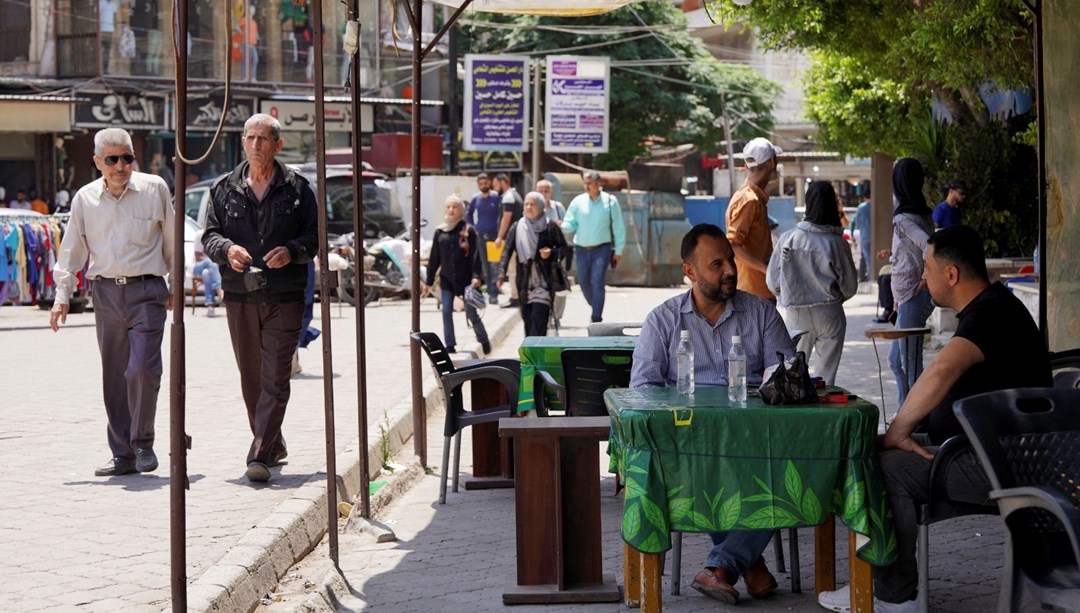
The ongoing crisis in Syria has led to massive displacement and humanitarian needs that require urgent attention. Recently, the United Nations reported that over 1.5 million Syrians have returned to their regions since the ousting of the Assad regime in December 2024. This significant number marks an important moment in the context of Syria’s long-standing struggles, and it highlights the need for a structured approach to handling the complex situation on the ground.
Current Conditions in Syria
In an online briefing from Gaziantep, Edem Wosornu, the Director of the UN Office for the Coordination of Humanitarian Affairs (UNOCHA), provided insights into the ongoing developments in Syria. According to Wosornu, 16.5 million individuals in Syria urgently require humanitarian assistance and protection. He emphasized that despite improvements in certain areas, population movements and the displacement of individuals continue to be significant challenges.
Challenges Facing Humanitarian Operations
One of the key messages from Wosornu was that humanitarian operations are ongoing despite increasing challenges. He stated, “The UN and partners are reaching an average of 2.4 million people each month through both national and cross-border operations.” This remarkable effort aims to address the pressing needs of the affected populations, even as resources remain limited.
However, operational challenges continue to arise, particularly with the political landscape in Syria undergoing rapid changes. Wosornu expressed hope that recent decisions, such as the U.S. lifting sanctions against Syria and the European Union’s consideration of easing economic restrictions, will facilitate a sense of relief, recovery, and growth within the country.
Collaboration and Support from International Partners
To effectively meet the humanitarian requirements, collaboration among various international partners is crucial. Wosornu highlighted the importance of working closely with temporary government officials and other local stakeholders to foster a supportive environment for rehabilitation and development. This level of collaboration enables the establishment of programs that cater to the diverse needs of displaced individuals and returnees.
In the early months of this year alone, approximately 1,000 aid trucks have successfully entered Syria, demonstrating the ongoing commitment of international partners to provide support. Wosornu thanked Turkey and other stakeholders for their collaborative efforts in delivering essential supplies.
The Importance of Humanitarian Assistance
Humanitarian assistance plays a critical role in stabilizing the situation in Syria. With 16.5 million people reliant on aid, it is crucial to ensure that operations continue to be funded and supported. Ongoing conflict, economic instability, and the threat of food insecurity mean that the situation remains precarious for many.
Additionally, Wosornu’s emphasis on the need for comprehensive approaches to rebuilding and supports in the aftermath of the crisis is vital. For many returnees, the journey back home is fraught with difficulties, including damage to infrastructure and reduced availability of basic services. Ensuring that these individuals have access to rehabilitation programs and resources will be pivotal for their successful reintegration.
Looking Toward the Future
With a clear acknowledgment of the hurdles ahead, humanitarian organizations must strive to enhance their strategies to cater to the influx of returnees and the persistent needs of those remaining displaced. The hope is that with international cooperation and increased funding, the path to recovery can be better paved for the citizens of Syria.
The situation remains dynamic, necessitating continued engagement from the global community to address the humanitarian crisis in a timely manner. As restrictions ease and support systems are strengthened, there is an opportunity for significant improvements in the humanitarian landscape.
Community Resilience and Local Solutions
In addition to international support, it is essential to foster local resilience and solutions tailored to the unique challenges faced by communities. Encouraging local leadership within humanitarian efforts can enhance capacity building, potentially leading to more sustainable outcomes. Utilizing local resources and knowledge will also empower communities to rebuild their lives.
Furthermore, the role of education, healthcare, and economic opportunities cannot be overlooked. By investing in these areas, communities can thrive and ensure that individuals do not feel compelled to leave their homes again.
In conclusion, the return of over 1.5 million Syrians marks a significant development in the country’s ongoing recovery journey. While the challenges ahead are profound, the commitment of international bodies and local communities alike will be indispensable in establishing a foundation for a more stable and secure Syria. The hope for peace, prosperity, and resilience remains alive, as stakeholders work collaboratively toward a brighter future for all affected by this prolonged conflict.