
Ukraine’s Standoff on the Druzhba Pipeline: Between Principles and Pressure
Choking off Vladimir Putin’s war machine seemed like a seamless plan for Europe, but geopolitics has a bad habit of ruining the best strategies. The outbreak of the Third Gulf War has shaken the foundations of the global energy market. Now, with prices skyrocketing and a European Union desperately searching for oil, all eyes have once again fallen on an old Soviet relic: the Druzhba pipeline (which, ironically, means “friendship” in Russian). This gigantic steel tube has today become the trench of a new cold war that threatens to fracture the EU itself.
Ukraine’s Reluctance to Repair the Pipeline
Ukraine, a victim of constant bombings, refused out of principle and security to repair a section of this pipeline that continues to supply crude oil to European countries closest to Moscow. However, unprecedented pressure from Brussels and the blocking of a vital loan have forced Kyiv to make a 180-degree turn and give in to its European partners.
The Immediate Impact of the Brody Airstrike
To understand the problem, we must go back to the end of January 2026. According to the Ukrainian media, a Russian airstrike severely damaged the Brody pumping station in the western Lviv region, cutting the flow of Russian oil transiting through Ukrainian territory towards Hungary and Slovakia. The diplomatic consequences were immediate.
Hungary, which has an exemption to continue buying Russian crude due to its energy dependence, accused Ukraine of politically motivated delays in reparations. Hungarian Prime Minister Viktor Orbán issued a lethal ultimatum: “If there is no oil, there is no money.”
EU’s Intervention and the Hungary-Ukraine Feud
The Hungarian president vetoed a package of macro-financial and military aid from the European Union to Ukraine valued at 90 billion euros, as well as blocking a twentieth package of sanctions against Russia. Faced with the risk that Ukraine would run out of essential funds for its economy and defense, the European Commission decided to intervene.
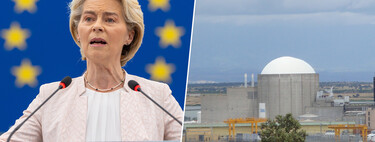
Commission President Ursula von der Leyen and European Council President António Costa sent a letter to President Zelensky offering “technical support and financing” to repair the pipeline. Cornered by financial asphyxiation, the Ukrainian president reluctantly accepted the offer.
The Bitter Pill of Compromise
For the Kyiv government, this transfer has been an extremely bitter pill. President Zelensky has openly expressed his frustration, suggesting that reopening the oil flow is akin to lifting sanctions on Moscow. He described this pressure as “blackmail” and reproached European allies for forcing Ukraine to “finance anti-European policies.”
The Hungarian blockade is not solely about energy needs; it is heavily influenced by domestic politics. Orbán is leveraging the supply crisis as an electoral scare tactic, especially with parliamentary elections on the horizon.
Heightening Tensions Between Kyiv and Budapest
On the ground, tensions have escalated beyond rhetoric. In early March, Hungarian special forces intercepted two armored vans from Ukrainian entity Oschadbank, seizing $80 million in cash and gold on suspicion of “money laundering.” Zelensky labeled this act as “banditry,” signifying the deteriorating relations between Ukraine and Hungary.
Exploring New Avenues: Drones as the “New Oil”
While Ukraine navigates its energy compromises, it is also shifting focus toward its warfare technology for potential international partnerships. Zelensky has proposed a $50 billion joint production deal for creating interceptor drones, attempting to capitalize on Ukraine’s military applications.
The Broader Implications at the EU Summit
All these tensions culminated in a summit of European Union leaders that may redefine the EU’s unity. The pressure on Viktor Orbán to release the blocked funds is immense, and EU leaders stress the importance of showing support for Ukraine. The outcome of this summit will have implications that stretch well beyond Ukraine’s finances; it challenges the credibility and solidarity of the European Union as a whole.
Ultimately, the ongoing saga of the Druzhba pipeline reveals a harsh truth: in dire times, European solidarity has its limits, measured not just in humanitarian terms but also, quite fundamentally, in barrels of oil.