
Devastating Hailstorm Hits Île-de-France: A Financial Overview
On May 3, a powerful hailstorm wreaked havoc across Île-de-France, leaving behind a trail of destruction and significant financial repercussions. According to estimates from France Assureurs, the storm has resulted in approximately 334 million euros worth of damages, making it one of the most expensive meteorological events in recent history.
The Storm’s Immediate Impact
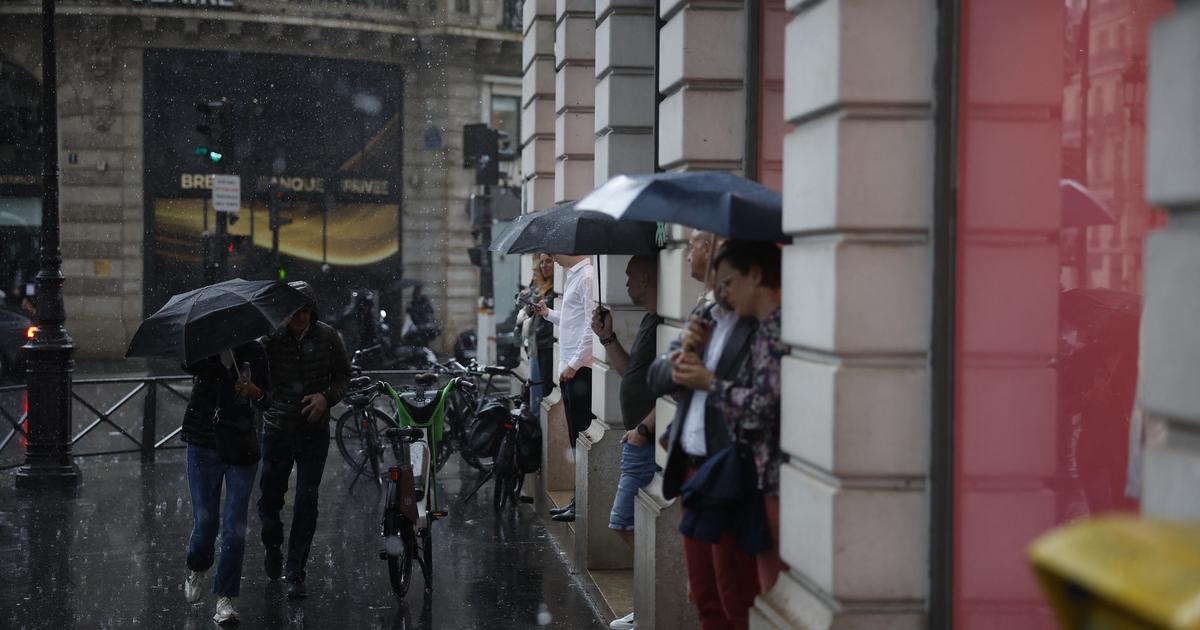
The storm was characterized by heavy rainfall and large hailstones that caused extensive damage to infrastructure, homes, and vehicles. Reports indicate that roofs were pierced, branches were torn down, and even subway stations were flooded. The extent of the damage was severe enough to be classified as a natural disaster by the relevant authorities.
Damage Breakdown
The majority of the financial burden falls on the automobile sector, which alone accounted for 196 million euros in damages with over 61,000 claims reported as of May 21. This overwhelming figure reflects the vulnerability of urban areas, where parked vehicles are often exposed to the elements. As France Assureurs noted, the storm’s urban location played a significant role in the scale of the damage, as cities typically have a higher concentration of vehicles parked outside.
Other Areas Affected
While Île-de-France is the most impacted region, other areas such as Champagne, Lorraine, and around Lyon also experienced damage. In fact, residential areas are expected to incur about 117 million euros in repair costs, with professional assets and agricultural losses amounting to 14 million and 7 million euros, respectively.
Insurance Challenges
Not all storm victims will receive compensation for their losses. Automobile owners with comprehensive coverage or specific "climatic event" guarantees can expect reimbursement. However, those who hold third-party insurance may find themselves without any financial support, except for window repairs if they possess a "glass breakage" guarantee.
Repair Delays
Another significant challenge lies in the repair process. The network of auto body shops, already stretched thin, is likely to struggle accommodating the surge of damage claims. As Sylvain Lagasse, director of indemnification services at Allianz, mentioned, the industry is unable to absorb such a mass influx of repairs, especially with regular vehicle accidents continuing to occur.
Innovative Solutions
To mitigate the impact of the storm, Allianz has activated four mobile dent removal factories to assist around 2000 insured clients. These units, which are expected to operate for six to twelve months, aim to provide timely assistance and relief to those affected.
Future Implications
The storm of May 3 is not just an isolated incident; it has further implications for the upcoming year. Following the hailstorm, additional weather events have led to significant damage in regions like Nouvelle-Aquitaine and Occitanie on May 11. The financial ramifications of these incidents are still pending assessment, but they are likely to compound the already overwhelming burden faced by insurance companies.
Conclusion
As we look ahead, the financial fallout from the May 3 hailstorm raises numerous questionsabout resilience, preparedness, and the broader implications for urban areas situated in vulnerable regions. The convergence of climate change and urban development makes it increasingly imperative for both insurers and individuals to adapt to the new realities posed by extreme weather patterns.
Despite the challenges ahead, one thing is clear: the need for effective communication between insurers, clients, and service providers has never been more crucial in navigating through such unprecedented damage.
”
data-script=”https://static.lefigaro.fr/widget-video/short-ttl/video/index.js”
>
Une estimation de France Assureurs révèle que le violent orage qui s’est abattu le samedi 3 mai a causé de nombreux sinistres, notamment sur les automobiles qui concentrent à elles seules 196 millions d’euros de dommages.