
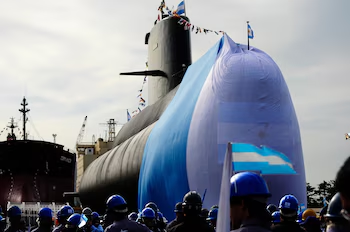
Overview of the Tragedy
The disaster of the ARA San Juan submarine, a tragic event that deeply impacted Argentina, continues to be scrutinized. Recent testimonies in court have shed light on potential causes, with experts suggesting that a hydrogen explosion may be the most plausible explanation. At a recent hearing, retired Rear Admiral Gustavo Adolfo Trama illustrated the potential intensity of the explosion, equating it to the simultaneous detonation of “ten hand grenades.” His statement highlighted the critical sequence of events leading to the disaster.
Expert Insights
Both Trama and retired Naval Captain Arturo Marfort contributed to the investigation through independent reports. Despite their differing processes, both agree on a central premise: a technical failure initiated by seawater entering the submarine’s battery system could have led to an explosive accumulation of hydrogen.
Technical Analysis of Events
Trama described a chain of causations, starting with water intrusion through the ventilation system that led to a short circuit and electrical fire. This created conditions suitable for a hydrogen explosion. He reiterated that the submarine was in navigation-ready condition prior to the incident. The testimony posited that should hydrogen accumulation exceed 4%, it could result in a devastating explosion, compromising crew safety.
The Role of Environmental Factors
Conditions around the submarine’s last known location added complexity to the incident. The ARA San Juan had to navigate through adverse weather conditions, which further hampered its capacity to manage emergencies. Captain Marfort stressed that even if the vessel had stayed on the surface post-incident, the closed hatches due to the storm conditions would likely have resulted in similar consequences for the crew.
Previous Inspections
Historical inspections leading up to the incident had documented a series of potentially concerning findings about the vessel’s readiness. However, both Trama and Marfort emphasized that these past inspections did not indicate the submarine was unfit for duty at the time of its departure.
Conclusion
As the court proceedings continue, the testimonies from naval experts underscore the multifaceted nature of this tragedy. With a strong consensus pointing toward an explosive hydrogen event as the main hypothesis, it raises significant questions about operational protocols and accountability within the Navy. The complexity of the incident leaves a lingering need for clear understanding and lessons to be drawn from this somber chapter in naval history.