
The Government’s Push for Optional Primaries: A New Direction in Political Reform
In light of ongoing difficulties in reaching a consensus among various political factions, the Argentine government has decided to explore an alternative approach regarding the upcoming political reform. The proposal now includes making the primaries optional rather than completely eliminating them. This shift aims to facilitate negotiations while still addressing concerns about the electoral process.
Context of the Debate
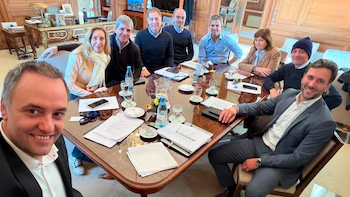
The political landscape in Argentina has been fraught with disagreements, particularly regarding the implementation of the PASO (Primarias Abiertas Simultáneas y Obligatorias). These mandatory open primaries were established to allow voters to have a say in candidate selection but have faced criticism for being costly and inefficient. A recent meeting at the Casa Rosada, where key government officials gathered to outline the legislative agenda, underscored the urgency of promoting various reforms before the upcoming Soccer World Cup, which is expected to limit parliamentary activity.
Key Players in the Reform Discussions
The political table involved in these discussions included significant figures such as:
- Karina Milei – Secretary General of the Presidency
- Manuel Adorni – Chief of Staff
- Luis “Toto” Caputo – Minister of Economy
- Diego Santilli – Minister of the Interior
- Patricia Bullrich – Head of the La Libertad Avanza bench in the Senate
During these meetings, Bullrich has been vocal about the need to eliminate the PASO, claiming they are an unnecessary financial burden on the state and do not resonate positively with the public.
The Shift to Optional Primaries
Despite the initial proposal to completely abolish the PASO, the government is now showing flexibility. This strategic change could see PASO elections transformed into optional primaries, particularly for parties experiencing internal disputes. This compromise aims to reduce resistance from other political blocs, including allies who support retaining the primaries as a democratic tool for candidate selection.
Concerns Around Democracy and Political Participation
While the idea of optional primaries is gaining traction, concerns remain within certain factions of the ruling party. Critics argue that making primaries optional may not fully address the issue of expenses and could harm democratic processes. There is fear that allowing only certain fronts with internal rivals to compete might encourage tactical maneuvering that undermines the spirit of fair elections.
Next Steps in the Legislative Process
As political reform becomes a priority for the government, important discussions are expected to unfold in Congress over the coming weeks. Bullrich is concentrating on moving bills related to debt payments and property rights while simultaneously pushing for political reform. Simultaneously, Santilli is engaged in dialogue with governors to garner support for the reforms, seeking to solidify a consensus that will lead to legislative approval.
Conclusion
The government’s willingness to consider making PASO optional instead of entirely eliminating them reflects a pragmatic approach to political reform amid a climate of division. As negotiations unfold, it will be essential to balance efficiency, financial considerations, and the principles of democratic participation. The progress made in the coming weeks will be closely watched by both supporters and detractors, as it holds significant implications for the future of electoral politics in Argentina.