
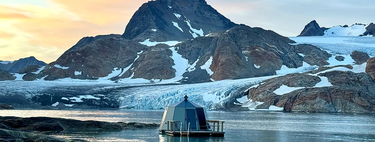
“Book only if you are comfortable hiking for 1.5 km in a forest with a backpack and want to experience raw nature and slow life with beautiful views.” This statement perfectly encapsulates one of the most captivating Airbnb properties in Rishikesh, India. The house, crafted by two architect brothers who escaped the chaotic hustle of New Delhi, has become a sought-after refuge and a symbol of spiritual gentrification.
Two Brothers in Search of Peace
Raghav and Ansh Kumar, the brothers behind this unique project, were employed at a German architecture firm in New Delhi. Over time, they found themselves pressed under the weight of a relentless routine, deeply entrenched in a corporate culture that celebrated burnout. The pandemic acted as a catalyst for change, prompting the duo to leave the city behind for a serene life in the Himalayas. They chose Rishikesh, often referred to as the “gate of the Himalayas,” which serves as a starting point for countless spiritual pilgrims embarking on the Char Dham pilgrimage.
Building with Intention
Seeking to reconnect with the Earth and the art of construction, the brothers embraced a hands-on approach to their new life. They envisioned the house using sticks drawn directly on the ground, opting to use the ancient cob technique—a mixture of mud, straw, and water sourced locally. This choice honored the region’s traditional building methods and allowed them to immerse themselves in the process they had long been separated from.
With the assistance of four full-time workers and over 100 volunteers recruited through the Workaway platform, they took 18 months to complete the project. The house features walls that are 45 centimeters thick, built in stages of 15-30 centimeters daily.
The Irony of Modern Spirituality
Initially, the brothers intended to escape the “architecture of money and productivity.” Yet, they found themselves setting up a sanctuary that they now offer as an Airbnb for $140 a night. This price is notably high for a region that often has entire homes available for around €50—highlighting the dissonance between their original intentions and their current reality.
Compounding this irony is the fact that local communities and governmental bodies tend to reject mud houses as symbols of poverty. The preference instead lies with cement structures, viewed as modern and prosperous. Thus, the brothers’ decision to charge tourists a premium for an experience many locals strive to escape intensifies the contradiction of their journey.
Spiritual Gentrification
This narrative isn’t isolated; it coincides with a broader wave of gentrification reshaping Rishikesh. Long known as a pilgrimage destination and the world’s yoga capital, the area is becoming increasingly attractive to real estate investors and expatriates looking to capitalize on its spiritual allure.
The government has actively initiated urbanization projects in response to rising tourism and the influx of digital nomads. Measures to modernize infrastructure, including widened roads and improved traffic systems, are efforts aimed at managing the growing demand and ensuring Rishikesh remains an appealing destination.
As the brothers navigate their newfound lifestyle, their story stands as a poignant reminder of the complexities surrounding modern spirituality, capitalism, and the quest for personal peace.