
Spain’s Biogas Industry: A Rapid Ascent with a Social Challenge
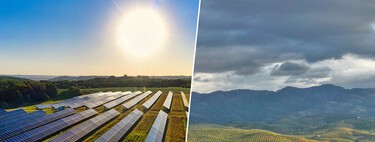
Spain is positioning itself as a leader in solar and wind energy, yet another crucial green energy sector—biogas—lags behind. Despite significant growth, the biogas industry confronts a major hurdle: the widespread social rejection of energy projects near residential areas. Currently, Spain has over 200 biogas projects in various stages of development, but the community pushback is palpable.
The Conflict: Energy Transition vs. Social Rejection
According to Spain’s energy roadmap, the PNIEC 2030, biogas plays a pivotal role in achieving emissions neutrality by 2050. However, the development of biogas plants faces considerable resistance from local populations. Citizens express concerns ranging from unpleasant odors to inadequate planning and the involvement of large-scale agricultural operations. Promoters often present projects without engaging with local communities, fueling distrust and opposition, as noted by experts like Xavier Flotats and Fernando Valladares.
The Importance of Biogas
Incorporating biogas into Spain’s energy strategy signals its eventual implementation. It represents a pathway to energy sovereignty, offering stability in energy costs contrary to the fluctuating prices of imported fossil fuels. Beyond energy independence, biogas conversion can address waste management issues. Using agricultural or animal waste to produce biogas transforms a potential environmental crisis into a sustainable resource.
Understanding Biogas Facilities
Biogas plants operate through anaerobic digestion, breaking down organic waste to produce methane-rich gas and fertilizer. The output can be categorized into biogas—an energy resource mainly for local electricity—and biomethane, which resembles fossil natural gas following a refining process. While Europe boasts over 19,000 biogas facilities, Spain remains significantly behind, illustrating the discrepancies across the continent.
The Ecological Debate
Engineering expert Xavier Flotats points out the irony in activism that opposes biogas plants while permitting methane emissions from landfills. However, critiques persist, with some individuals labeling biogas initiatives as greenwashing, emphasizing that waste management doesn’t entirely eliminate environmental issues. Marina Gros from Ecologistas en Acción advocates separating sustainable projects from those that contribute to greater ecological risks.
The Macrofarms Factor
The controversy surrounding biogas is closely tied to macrofarms. The processing of agricultural waste for biogas production often originates from these large-scale operations, intensifying debates about ethical farming practices versus the need for waste management solutions. Some see this synergy as necessary, while others view it as an extension of harmful agricultural methods.
Evaluating Biogas Projects: Navigating the Landscape
Experts advise scrutinizing biogas projects to distinguish sustainable initiatives from concerning ones. Ideal projects should locate facilities close to the waste sources and operate on a regional scale. Red flags include projects situated far from their waste supply, absent plans for managing digestate, or being designed as industrial macrofacilities with no local engagement.
In summary, while biogas holds considerable potential for Spain’s energy transition, the path to acceptance is fraught with challenges. Local concerns must be addressed through transparency, community engagement, and sustainable practices to turn this energy vision into reality.
From waste to resource, the biogas sector may just be the catalyst for a greener future—if it can win the hearts and minds of its neighbors.