
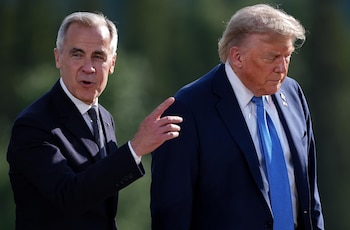
Tariffs on Canadian Goods: A New Economic Strategy by the U.S.
The economic landscape between the United States and Canada has taken a significant turn following an announcement from President Donald Trump. On Thursday, he revealed the imposition of a 35 percent tariff on various products imported from Canada, significantly increasing it from the previous 25 percent. This decision came alongside claims regarding the need to combat the “flow of illegal drugs,” particularly fentanyl—a potent synthetic opioid that has become a major public health crisis in the U.S.
Understanding the Rationale Behind the Tariffs
The White House reported that these tariffs would take effect on August 1, 2025. Officials justified the steep increase by stating that Canada had not sufficiently cooperated in efforts to mitigate the fentanyl crisis in the United States. The administration’s statement underscored the severity of the situation, labeling it a “national emergency.” This move is a part of a broader narrative that links international trade dynamics directly to public health concerns.
Critics argue that framing the tariff as a measure against drug trafficking might obscure its economic implications. This new policy places additional pressure on Canadian producers who depend heavily on the U.S. market for importing goods. Notably, goods that qualify for preferential tariff treatment under the U.S.-Mexico-Canada Agreement (USMCA) are exempted from these tariffs. This exemption aims to protect integrated supply chains, particularly in sectors like automotive manufacturing, influenced by significant lobbying from American car manufacturers.
The Context of Growing Tensions
This tariff announcement coincides with stalled negotiations for a new commercial agreement, set before a deadline of August 1. The administration’s linkage of drug trafficking and commercial agreements is increasingly drawing scrutiny. The timing and justification might reflect internal and external political pressures, as Trump’s administration seeks to paint itself as tough on border security and drug enforcement.
In a somewhat intertwined response, Canadian Prime Minister Mark Carney announced a plan to formally recognize Palestine as an independent state, which Trump indicated could complicate potential trade negotiations further. The combination of global diplomacy and national security evidently plays a role in the ongoing trade discourse between the two neighboring nations.
The Impact on Canadian Economy and U.S. Consumers
The implications of such an increase in tariffs could ripple through multiple levels of the economy. For Canada, this further cements the challenges already faced during the pandemic, with many sectors grappling with territorial restrictions and supply chain interruptions. Economic analysts suggest that these tariffs could adversely affect prices for U.S. consumers, particularly in sectors relying on Canadian products like lumber, automotive parts, and agricultural goods.
Moreover, Canadian companies may find themselves adjusting pricing strategies or even shifting production lines to mitigate the financial impacts. This could lead to increased economic isolation and a fracture in what has historically been a strong bilateral relationship, affecting small and large businesses alike.
Global Trade Dynamic Shift
The evolving trade landscape signals a broader trend of using tariffs as a tool for political leverage. The U.S.-Canada trade relationship could serve as a bellwether for how global trade dynamics might shift in the coming years. With rising protectionist sentiment across various nations, such decisions may foster an environment of increasing economic nationalism.
International relations experts warn that these types of tariffs can potentially escalate into trade wars, which can destabilize entire economies. The rising unpredictability in trade policies can hinder global economic recovery from the pandemic.
As the dialogue around tariffs, drug trafficking, and international relations evolves, all eyes will remain on both American and Canadian leaders to see how they navigate these treacherous waters. The extent of their cooperation—or lack thereof—might very well shape the future of bilateral trade and health policies as they adapt to the complex interplay of economics and international diplomacy.
The new tariffs are a clear sign of escalating tensions in the U.S.-Canada relationship. It remains to be seen how both countries will adapt to these challenges, and whether future negotiations can lead to a more favorable outcome for both parties involved. The choices made now will likely have lasting implications for trade, public health, and diplomatic relations in the years to come.