
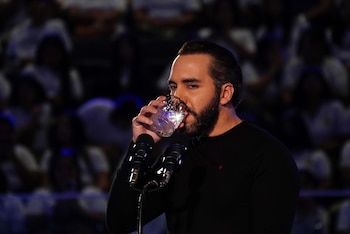
The Legislative Assembly of El Salvador has made a significant move by approving a constitutional reform that allows for the indefinite re-election of the Head of State and extends the presidential term from five to six years. This decision emerged from the collective voting power of Bukele’s party, New Ideas , along with its two allies, capturing 57 of the 60 available parliamentary seats. A historic change is underway in the Salvadoran political landscape.
The primary aim of this reform, as articulated by Bukele and his supporters, is to empower the Salvadoran people . They argue that re-election has been a norm for many popular positions in the country, from mayors to deputies, yet a constitutional barrier exists for the presidency. “This is a fair of the Constitution,” Bukele pointed out, referencing the historical precedents in other elected positions without re-election prohibitions.
With the parliamentary vote completed, the next steps involve a ratification process. Once finalized, this reform not only paves the way for Nayib Bukele to potentially extend his presidency until 2029 but also allows him to run again in 2027, aligning with the presidential, legislative, and municipal elections. This presents an interesting dynamic, as it opens the door for continued leadership that many view with a mix of hope and skepticism.
Controversially, the approved reform package also eliminates the requirement for a second electoral round in cases where no political party or coalition secures an absolute majority. This has drawn criticism, particularly from opposition parties like the Nationalist Republican Alliance (ARENA) and Come On . Deputy Marcela Villatoro of ARENA condemned the reform as an attack on democratic principles, stating that “today democracy in El Salvador has died.” Such remarks highlight the mounting concerns regarding the state of democracy in the nation.
Critics have described the passage of this reform as a product of “gross and cynical” governance, pointing to the lack of public consultation leading up to this vote. Villatoro’s comments underscore a broader sentiment shared by many detractors, who perceive this move as a power grab by Bukele and his ruling coalition.
One significant aspect to consider is the historical context in which this reform is transpiring. El Salvador has a complex history filled with political volatility, and many citizens remain deeply wary of the concentration of power in any one leader. The nation’s turbulent past, marked by civil war and dictatorship, shapes public opinion regarding reforms perceived as eroding democratic safeguards. And yet, Bukele’s supporters remain vocal about the need for an effective leadership that responds to the country’s pressing challenges, hoping that continuity in leadership could foster stability.
During a recent address, President Bukele himself stated that he does not fear being labeled a “dictator,” suggesting that the terminology often used to criticize his governance is merely a strategy to keep leaders in check. He remarked, “ Democracy , institutionality , transparency , and human rights sound good, but these terms are often wielded to submit us.” His comments reflect an ongoing tension between the rhetoric of democratic ideals and the pragmatic governance style that his administration has adopted.
As the political landscape in El Salvador continues to evolve, the ramifications of this constitutional reform will be monitored closely. Supporters believe it will result in a more responsive government, while opponents fear it could dismantle the foundations of democratic governance . The divided perspectives echo larger questions about the future direction of El Salvador amidst changing political tides.
This recent shift in legislative power has not only raised eyebrows within the nation but has also sparked international interest, as countries around the world observe how El Salvador navigates this critical juncture. The balancing act between maintaining political stability and upholding democratic values remains paramount as the nation embarks on this new chapter under potential extended leadership.
In conclusion, El Salvador is at a crossroads that poses significant questions about democracy, governance, and the future. The ability for a president to seek indefinite re-election fundamentally shifts the political dynamics and could redefine the power structure within the nation. As citizens and political actors alike grapple with the implications, the future will reveal whether this move strengthens or undermines the democratic fabric of El Salvador.