
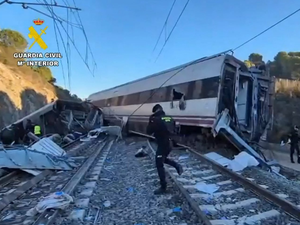
Investigation Continues into the Adamuz Train Disaster
On January 18, 2026, a catastrophic event unfolded in Adamuz, Andalusia, when two trains collided, resulting in the tragic loss of 42 lives and leaving over 120 individuals injured. As the investigation unfolds two months later, Spanish authorities are focusing on the maintenance discrepancies that may have contributed to this disaster.
Maintenance Issues and Inconsistencies
Recent reports emerging from local media, particularly Cordópolis, highlight significant concerns regarding the maintenance of the train tracks involved in the accident. The president of the commission investigating railway accidents pointed out “inconsistencies” related to the control of welds on the tracks where the collision occurred. According to this official, the welds, performed in May 2025, did not adhere to current safety regulations. However, the specifics of these inconsistencies, such as the nature of the welding errors, have not been disclosed publicly.
The investigation has also ruled out the possibility of sabotage or a terrorist act, which was deemed “highly improbable.” Thus, the focus remains firmly on mechanical and procedural failures leading to the disaster.
The Role of the Black Boxes
The retrieval and analysis of black box data have become pivotal in this investigation. A judicial order has facilitated access to the black boxes from both trains, with extraction and analysis scheduled to take place on March 5. In addition, the judge has sanctioned the examination of footage from security cameras installed on board the Iryo train, which could provide valuable insights into the moments leading up to the accident.
Preliminary findings suggest a possible lapse in monitoring and preventive measures by train operators. Investigators contend that extracting information from the black boxes is crucial to understanding the sequence of events that precipitated the crash. Improved monitoring protocols and rigorous adherence to safety standards may emerge as critical lessons to prevent such tragedies in the future.
Call for Transparency and Accountability
As the investigation unfolds, there is a growing call for transparency from both the public and the victims’ families. With lives lost and many left with life-altering injuries, the necessity for accountability among the railway operators and maintenance personnel has never been more urgent.
Authorities must ensure that essential safety procedures are not only in place but are meticulously followed. The revelations regarding the inconsistencies in weld inspections create a stark reminder of the potentially catastrophic implications of procedural negligence.
Conclusion: Lessons for the Future
The Adamuz train disaster serves as a stark wake-up call for railway safety in Spain and beyond. As the black boxes are opened and evidence continues to surface, the lessons learned from this investigation could help shape more rigorous safety protocols, enhancing the protection of passengers and crew. Authorities must prioritize transparency and accountability to prevent future tragedies and ensure that the legacies of those lost are honored through safer railway operations.