
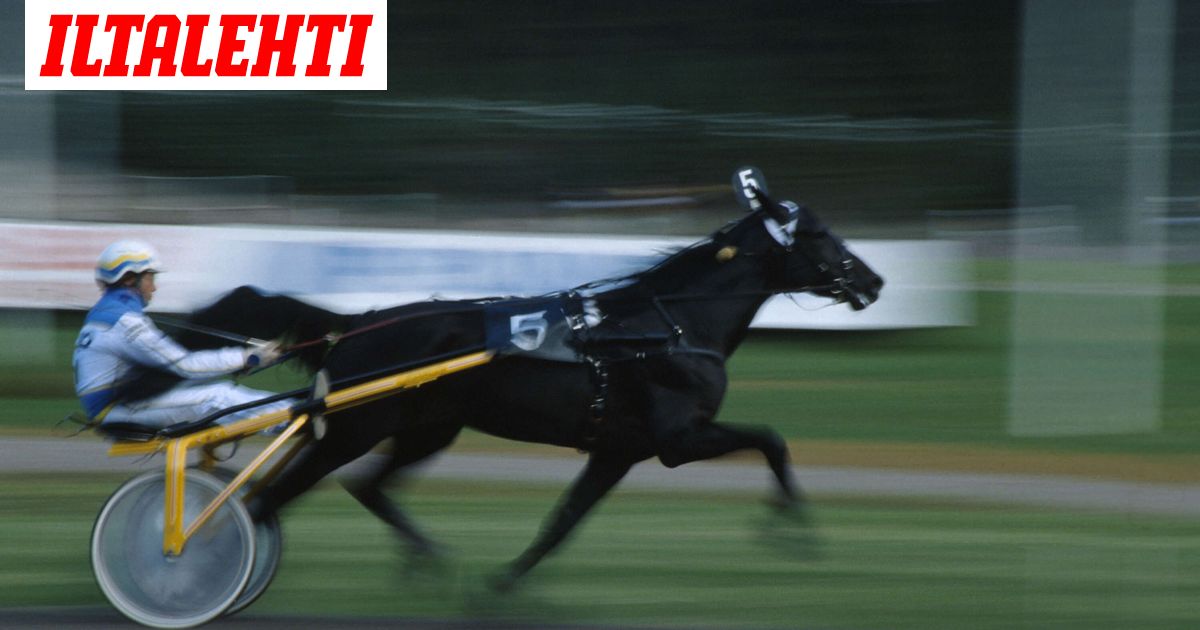
Tragic Incident at Tuesday Races: A Horse Stumbles and Dies
On a fateful day at the Teivo Trotting Track, a heart-wrenching incident unfolded during the Tuesday races. A horse, racing under the name Isosalon Ihme, suffered a sudden collapse that ultimately resulted in its untimely death. The news has sent shockwaves through the tight-knit community of horse racing enthusiasts, handlers, and fans alike.
The Incident: What Happened
During the third race of the day, Isosalon Ihme fell while approaching the finish line. The shocking event prompted immediate action, with a veterinarian quickly determining the horse’s fate. The fact that Isosalon Ihme was pronounced dead almost instantly left everyone in a state of disbelief. It was a devastating moment for all involved, and the races were halted for 15 minutes to address the situation. Such occurrences are unfortunate and rare, but they serve to remind us of the inherent risks involved in horse racing.
The Community Response
The loss of a racehorse is felt profoundly not just by its owners but also by everyone in the racing world. Teivo Trotting Track’s Managing Director, Kaisa-Leena Ahlroth, expressed deep sorrow in an official statement. "We hope for strength for the horse’s background team. Losing a horse is always a tragic event," she remarked. This sentiment resonates with all members of the racing community, who know all too well the emotional strain that comes with such unforeseen tragedies.
Exploring the Causes
As investigations continue, the cause of death remains unknown. Various factors can contribute to the sudden demise of a racehorse, ranging from injuries sustained during a race to underlying health conditions that may not have been previously diagnosed. Veterinarians and experts in equine health are analyzing the circumstances surrounding Isosalon Ihme’s death. Understanding what led to this unfortunate incident is essential not only for the horse’s owners but also for the broader community, in hopes of preventing similar occurrences in the future.
The Role of Veterinary Care
Veterinary care is crucial in ensuring the wellbeing of racehorses. These animals are subjected to intense training and competition, which can lead to severe physical strain. The presence of a qualified veterinarian at race events is typically mandated to monitor the health and safety of the horses. In this tragic case, the quick response of the attending veterinary team exemplifies their dedication and professionalism. Regular health checks, proper training regimens, and immediate medical attention during unusual incidents are all vital to safeguarding these magnificent animals.
The Emotional Toll on Owners and Handlers
The impact of losing a racehorse goes far beyond the track. Owners and handlers often form deep emotional bonds with their horses, considering them not merely athletes but cherished companions. The grief experienced in such moments is profound, with the racing community rallying to offer support. This supportive network often helps individuals navigate similar challenges, sharing experiences and coping strategies to heal from the loss.
Looking Ahead: The Future of Horse Racing
While tragedies like these are a painful reality, they do prompt discussions about safety measures and welfare in the sport of horse racing. In recent years, many racing authorities have introduced stricter regulations to improve the health and safety of horses. This includes enhanced training protocols, mandatory veterinary check-ups, and increased awareness surrounding the physical and mental wellbeing of racehorses.
With every incident, there is an opportunity to reflect and improve racing standards. Advocates argue that the industry must embrace continuous improvement, making horse welfare a priority to ensure the longevity of the sport itself. The loss of horses like Isosalon Ihme serves as a critical reminder that while horse racing is a sport filled with excitement and competition, it also carries the profound responsibility of caring for the animals involved.
Final Thoughts
The recent incident at the Teivo Trotting Track has reignited discussions on various essential aspects of horse racing. From community support and veterinary care to the emotional strains on owners, the implications of such events are far-reaching. As the investigation progresses, the hope remains that this tragic loss will advance discussions on horse welfare regulations, ensuring the safety and wellbeing of the horses we all cherish. Although the tragic death of Isosalon Ihme has left a notable void, it also reinforces the importance of unity and resilience within the horse racing community. Together, they will surely strive for improvements that honor the memory of every horse that has graced the racetrack.