
Recently, during a casual conversation about bread, the topic of freezing food came up. As someone who frequently makes homemade bread, freezing it has become a common practice for me. It may seem routine—as many bakeries provide freezer bags—but some of my friends vehemently argue that “defrosting bread is not the same.” This raises an important question : how does freezing affect the food we consume? The implications are rich and nuanced.
Almost more crucial than the freezing process itself is the defrosting method. This stage can be detrimental to our health if not done correctly.
Crystal Clear. For thousands of years, humanity has utilized various methods to conserve food effectively. Techniques like salting have stood the test of time, while ancient civilizations buried food in ice and snow to prevent spoilage. Then came the revolution: the freezer. Often underestimated, freezers are vital tools in food preservation. When we freeze food, the low temperature turns the water content into ice. However, not all foods freeze equally well—higher water content can complicate the defrosting process, altering texture and leading some to question whether freezing is beneficial or harmful to nutritional value .
The crux of the issue lies in the formation of ice crystals . When food freezes, the internal water forms crystals. More water means larger crystals, which, when frozen slowly, can rupture the cell walls of food. Upon defrosting, this can result in a softer texture and an altered flavor, making it seem as if freezing compromises quality.
It Depends on What We Freeze. Foods with high water content, such as fruits and vegetables , typically suffer more from freezing than meats do. However, some starchy vegetables maintain their structure remarkably well after freezing. For instance, frozen peas and corn retain both their texture and taste effectively, while water-rich foods like lettuce become limp and flavorless.
An important aspect to consider is the disruption of cellular integrity . When food’s cellular structure breaks down, it loses its moisture. While this loss is less evident in meat, it becomes immediately noticeable in water-heavy fruits and vegetables. Interestingly, freezing watermelon, which is almost entirely water, can yield a delicious shake if blended right away without defrosting.
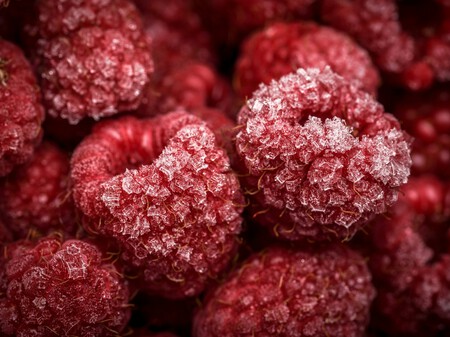
Taste and Texture Matters. For example, while frozen peas and corn maintain their appealing texture and flavor post-defrosting, lettuce loses both. This is attributed to the breaking of cell walls, resulting in juices spilling out—an issue noticeable in watery fruits compared to denser meats.
Consumers should also note the effects of fat content . High-fat foods such as milk or yogurt can separate and form lumps upon defrosting, although avocados tend to fare better. One key takeaway is that while some foods excel after freezing, others might disappoint your palate.
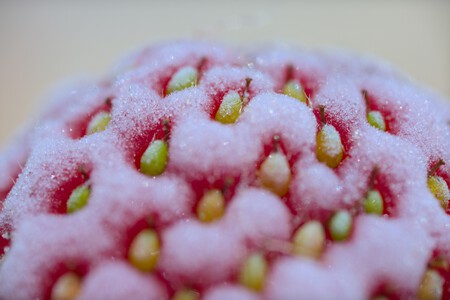
And What About Nutrients? One of the major concerns surrounding frozen foods centers on nutrient retention. Studies reveal mixed outcomes. While proteins, fats, vitamins A and D, and minerals largely withstand freezing, hydrosoluble vitamins like C and some B vitamins experience slight reductions—not during freezing, but generally during the process of defrosting.
Another consideration is the method of freezing. Industrial ultra-freezing , which rapidly freezes foods, creates much smaller ice crystals, preventing damage to food texture—a significant advantage over home freezing methods.
Freezing Techniques. While we may not have access to high-tech cryogenic freezers, we can optimize our freezing methods. Utilizing airtight bags or containers can help avoid contamination and flavor alteration . When defrosting, it’s crucial to follow best practices to maintain food quality.
As important as how we freeze is how we defrost . For immediate cooking, using the microwave or stovetop works well. However, if dealing with items like chicken or fish, avoid leaving them on the countertop to defrost, as this opens the door for bacteria to thrive—especially since the surface defrosts before the interior.
Planning ahead is wise; remove frozen foods a day in advance and allow them to defrost in the refrigerator. This method is safer and reduces the risk of foodborne illnesses.
In conclusion, don’t shy away from freezing bread; it remains a practical option that can preserve nutrients effectively if done correctly. Remember, the quality of defrosting plays a significant role in flavor retention, so you can defiantly still enjoy your bread without any major loss in taste.
In Xataka | Why you have to keep the eggs in the refrigerator (if they do not have refrigeration in the supermarket)