
China’s Shijian Satellites: A New Frontier in Space Competition
In October 2021, China launched the Shijian-21, marking a pivotal moment in the burgeoning field of space technologies. This multipurpose satellite aimed to test various space waste mitigation technologies in geostationary orbit . Essentially acting as a form of space garbage collection, its primary mission was to couple with the Beidou-2 G2 satellite , which had already been decommissioned, and successfully guide it to a designated area known as the space cemetery . This maneuver, however, sparked significant concern from U.S. defense officials, highlighting the growing competition in space.
Perceptions of Threat: The U.S. Response
The success of the SJ-21 mission has ignited fears among American military analysts. The Pentagon views this development as an indication of China’s advancing capabilities. The SJ-21’s ability to operate with precision and rumored robotic arms, despite lacking official validation, heightens concerns regarding potential threats to Western satellites. In this context, the prospect of physical attacks between satellites has raised alarms, signaling a new chapter in the Cold Space War .
American military authorities are vocal about the dangers posed by China’s space initiatives . They speculate that the SJ-21 could not only physically interfere with satellites from other nations but also possess technologies capable of disrupting transmissions. This concern is amplified by the publication of a manual outlining tactics for satellite conflict, signifying a serious approach to the emerging threats.
The Shijian-25: Space Refueling Technology
Fast forward to January of this year, when China launched the SJ-25 , another addition to the Shijian series. This satellite is designed to verify fuel refueling technologies in orbit, essentially serving as a space gas station . Such technology could extend the operational life of existing satellites instead of launching new ones, thereby reducing space debris and, importantly, costs. This focus on efficiency further illustrates China’s commitment to dominating the space arena .
Crucial Contact and Observations
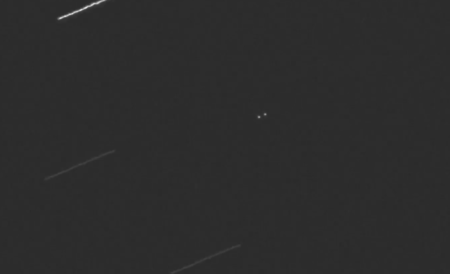
Recent reports indicate that both satellites have begun to operate at extremely close distances, culminating in a moment when they seemingly made contact more than 36,000 kilometers away from Earth. This reported achievement raises numerous questions regarding satellite capabilities and the competition in space.
For those interested, a timelapse of this event can be found in a linked video. However, U.S. officials remain skeptical of China’s claims regarding the success of this mission.
The American Strategy: GSSAP Satellites
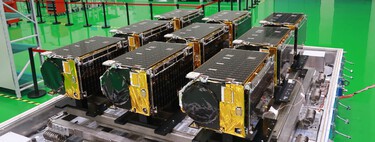
In response to these developments, the United States deployed GSSAP (Geosynchronous Space Situational Awareness Program) satellites to closely monitor the SJ-21 and SJ-25 missions. These watchdog satellites serve a critical role in maintaining U.S. interests in space, especially as the U.S. plans to undertake its first military satellite refueling mission in the coming years. Analysts assert that if China successfully operates its refueling technologies, it could set a troubling precedent for military operations in space.
John Shaw, a retired general lieutenant from the U.S. Space Force, emphasizes the operational necessity of these new capabilities. He states that while these strategies were once theoretical, they have become critical given the evolving threats. As a result, U.S. officials are increasingly concerned about the strategic implications of China’s space maneuvers.
Caution and Speculation
Despite the imminent threats, there is a possibility that the recent activities were merely distractions. Some analysts posit that the SJ-21 may have exhausted its energy and would have benefited from the refueling process, although this remains unconfirmed. Meanwhile, the existence of this capability raises broader concerns regarding the potential for mischief in the vast expanses of space, as countries like Russia also engage in similar technologies.
Ultimately, while China’s endeavors to dominate the space industry present both opportunities and challenges, they also underscore the need for international cooperation and regulatory frameworks to ensure a sustainable future in space exploration and utilization.
Images sourced from the United States Space Force and S2A Systems.