
In a few days, the new Prime Offers Party—the second Prime Day from Amazon—will be here in 2025. This highly anticipated exclusive offers period for Amazon Prime clients will start on October 7, bringing us two days filled with fantastic deals and promotions.
This is a time when you can find items at prices lower than even those on Black Friday. However, it’s essential to be vigilant about potential price traps designed to make discounts seem larger than they are.
If you’re planning to shop on Amazon during this offers period, we’ll provide you with several tips to maximize your Prime Day experience, which has now rebranded itself as the Prime Offers Party. We will also share various tools to help you locate the best bargains.
Requirements for the Prime Offers Party
Amazon Prime Day, now labeled as the Prime Offers event, has a crucial distinction from Black Friday: offers are exclusive to subscribers. Only those who have an Amazon Prime membership can access these deals.
This means that in order to take advantage of these offers, you must have an active subscription to Amazon Prime . Essentially, you need to be a paying Amazon user to see the promotions.
If you don’t currently have an Amazon Prime subscription, the first step is to subscribe by visiting the Amazon.es/amazonprime website. New users typically receive free trial periods , allowing you to enjoy these offers without even having to pay upfront. Just remember to cancel your subscription afterward to avoid incurring charges.
The key takeaway is that you must have Amazon Prime active during these two days to benefit from the deals, regardless of whether you are a paying member or on a trial period. Beyond exclusive offers, you can also enjoy other Amazon Prime perks, such as free shipping in 24 hours, along with access to Amazon Video movies and series streaming services.
Differences Between Offers, Flash, and Prime Offers
<pDuring this sales period, you’ll encounter various types of deals. You will find standard offers, but also Flash offers and Prime offers that are exclusive to this sales event.
The primary difference between these types of offers lies in their duration. Flash offers are available for only a few hours and are typically released at specific intervals.
This strategy encourages Amazon users to stay alert, frequently checking the site for new promotions. Many products under Flash offers have limited quantities, fostering a sense of urgency that can lead to impulse purchases.
On the contrary, Prime offers last for an entire day , unless stock runs out sooner. These offers typically represent the highlights of Prime Day, featuring popular products with substantial discounts that aim to grab consumer attention.
Our Telegram Channel for All Offers
If you just want to know the best offers during this sales event or any other day, remember that the Xataka team is always keeping tabs on them. If visiting their website seems a hassle, consider accessing their official Telegram channel, where the best deals will be posted.
You can easily access the channel by navigating to T.me/xatakaseleccion. Once there, click on Join to start receiving updates with the best offers.
The Xataka selection channel operates year-round, so you can consistently check the emerging offers. Extra content, such as thematic offer compilations , will also be provided during Prime Day, enriching your shopping experience and ensuring you don’t miss out on significant deals.
<img alt="Amazon Prime price in 2025: What it includes and rates in Spain" width="375" height="142" src="https://i.blogs.es/42d128/prime/375_142.jpeg"/>Beware of Price Increases and Decreases
Now we arrive at the most complex part of these offers, as many are crafted to mislead and deceive shoppers. A common tactic is to raise the price of a product just hours or days before lowering it back down, thereby inflating the perceived discount percentage.
Another trick is that the reduction percentage often references the manufacturer’s suggested retail price (MSRP) , which typically exceeds what the product has sold for in the past. For example, if you buy headphones that generally cost 500 euros for 380 euros, the discount appears beneficial. However, Amazon might claim the headphones were previously priced at 599 euros, thus exaggerating the savings.
Furthermore, prices can fluctuate significantly over time , and a seemingly good offer might not match previous sales or could be pricier than at other retailers. Hence, it’s crucial to compare prices with those at other stores to have a better understanding of the discount’s context.
How to Find the Best Amazon Offers
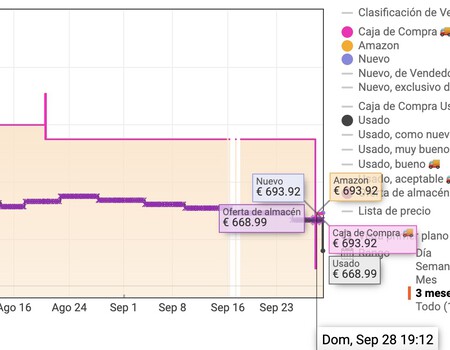
</div>In navigating through these tactics surrounding offers, online tools can aid in checking prices of products sold on Amazon. These tools allow you to view price histories and fluctuations, helping you discern whether the current offer is truly exceptional or if a similar deal has appeared in the past.
Using these tools provides valuable context for distinguishing between a genuine offer and mere marketing hype. Here are some of the best tools available:
Keepa
Keepa is arguably the best tool for tracking Amazon prices. It is available both as a web version and as browser extensions , allowing price history graphs to appear directly on the Amazon website.
You can find this extension for Google Chrome, Opera, and Microsoft Edge. Once installed, you can see price history on the Amazon site. You can also create a user account for setting alerts on specific products.
Camelcamelcamel
The website Camelcamelcamel is another reliable option, which also tracks Amazon product price history . Here, you can either input the URL of a discounted product or search for keywords on Amazon to access the product listing.
On the product page, you will see how the price has fluctuated over time through a visual graph. The site also allows you to set alerts for when a product’s price drops to a desired threshold, although you will need to register for this feature.
<img alt="Alexa+: What is Amazon's new intelligent assistant, how it works and what is its price and availability" width="375" height="142" src="https://i.blogs.es/e35c96/echo/375_142.jpeg"/>Google Shopping
While Google Shopping doesn’t provide a price history , it does allow you to compare prices with those at other retailers . To do this, simply use the Google search engine and click on the Products tab to access the module displaying options from various online stores.
In this section, you can view the product from different online retailers, enabling you to compare prices across various establishments and determine whether Amazon is indeed offering the best deal.
In conclusion, as Prime Day approaches, equipping yourself with knowledge and tools will empower you to seize the most worthwhile offers while avoiding common pitfalls. Embrace this opportunity to save and enjoy shopping responsibly, ensuring that the deals you snag are genuinely beneficial.