

Stellantis Faces Major Financial Turbulence: A Year of Melting Profits
In the landscape of the automotive industry, there are moments when it becomes crucial to pause, reassess, and at times, even abandon a failing project. This applies starkly to Stellantis, as it has echoed the same sentiments throughout 2025. The reality is harsh: the conglomerate has incurred massive losses, leading to a staggering total of €3.3 billion written off due to development projects that will never materialize.
The latest report from Stellantis outlines a significant shift in fortunes. The company recently unveiled its results for the first half of 2025, revealing a loss of €2.3 billion . This figure is particularly alarming given that the same timeframe last year brought in a profit of €5.6 billion . Such a drastic shift raises eyebrows and prompts serious questions regarding their strategic direction.
Understanding the Numbers: Tariffs and Sales Downturn
The steep numbers can largely be attributed to the tariffs the company has faced, particularly in the United States, compounded by a marked decline in sales. Overall revenue has plummeted by more than 12%. In Europe, the drop stands at 6%, but the U.S. market experienced a staggering 25% fall, aggravated by excess inventory at dealerships.
The Waste Factor: Investments in the Garbage
Adding insult to injury, Stellantis has made hefty investments that now stand as a financial graveyard. The company recently pulled the plug on its hydrogen development plans, walking away from a grand venture that was supposed to revolutionize their offerings. This decision directly resulted in a €733 million loss in the first half of 2025, highlighting a trend of poor investment choices that harken back to previous years.
The Hydrogen Dilemma
Investments in Symbio, a collaboration aimed at producing hydrogen-powered vehicles, started strong but ultimately floundered, costing over €300 million with little to no outcome to show for it. Additionally, it’s feared that the total losses related to hydrogen projects may have reached €1.8 billion, once factoring in various initiatives and conversions.
Maserati: Luxury with a Price Tag
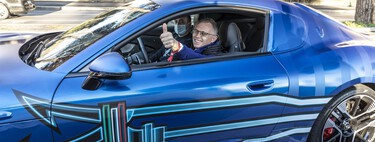
While Stellantis grapples with its hydrogen strategies, another shadow looms: Maserati. The once-thriving luxury division has also faced dire financial results. In the first half of 2025 alone, Maserati reported losses amounting to €552 million. The flagship model, the MC20, has seen abysmal sales, prompting the cancellation of plans for an electric variant. The situation worsens when looking back at 2024, where losses reached €1.5 billion due to inadequate investments in new electric models.
China: A Market Challenges
Stellantis’s ambitions for the Chinese market have also flopped. Electric versions of the Maserati Quattroporte and Levante were set to launch in China, a market primed for electric vehicles. However, delays led to staggering losses that, when totaled, sum up to €1.5 billion. The fate of these models hangs in the balance, thwarting plans and investments that had already been directed towards their development.

The Path Forward: Learning from Mistakes
With investments already made and initial successes few and far between, Stellantis finds itself at a crossroads. The company is now re-evaluating its strategy, with a focus on generating profit and ensuring long-term sustainability. There is even a push to modify existing platforms, evidenced by efforts to enhance the Fiat 500, which is rapidly transitioning into an entirely electric vehicle.
While the financial landscape is fraught with difficulties, Stellantis must adapt, evolve, and ensure that lessons from past investments are not repeated. In the automotive industry, the path to innovation is fraught with risks, but those who learn from missteps inevitably find their way back to solid ground. The stakes are high, and the clock is ticking for Stellantis to turn this situation around, but with thoughtful strategies in place, a more profitable future could be on the horizon.