
The Fight Against Professional Illnesses in Healthcare
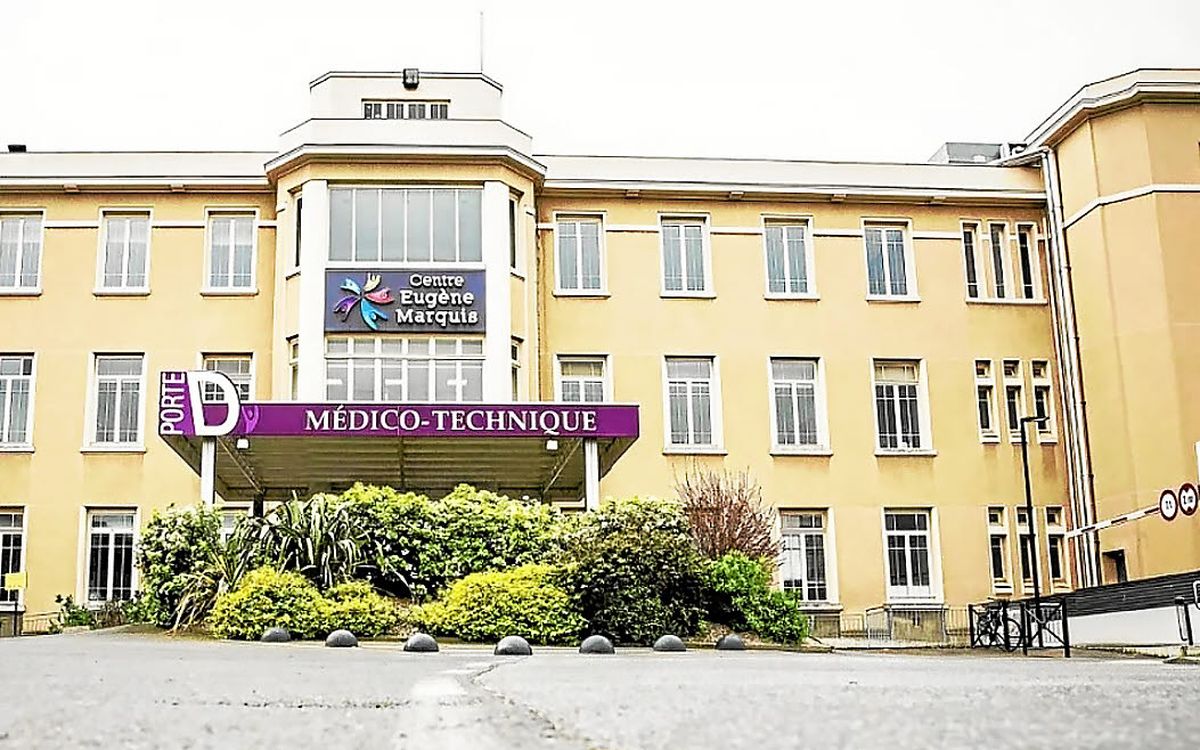
In recent years, the recognition of workplace-related illnesses has gained increased attention, especially among healthcare professionals. The tragic story of Marie-Pierre Sénéchal, a nurse at the Eugène-Marquis cancer center in Rennes, sheds light on the significant risks these workers face. Her case exposes a systemic issue involving the exposure of healthcare employees to toxic substances, often without adequate protections.
The Struggles of Marie-Pierre Sénéchal
Marie-Pierre Sénéchal dedicated her life to nursing, caring for countless patients battling cancer. Unfortunately, she herself fell victim to the disease, ultimately losing her life on November 16, 2020, at the age of 72. Despite her courageous fight, Marie-Pierre was not able to have her two cancers recognized as arising from her long-term exposure to carcinogenic substances and ionizing radiation while on the job.
As a mother of three, Marie-Pierre’s battle was not just one for herself, but also for her family and colleagues. She longed for her situation to be acknowledged, highlighting the importance of occupational health and the need for stronger safety protocols in hospitals. Her story is one among many, as she battled alongside other nurses facing similar fates.
Court Proceedings and Recognition of Occupational Illness
On May 27, nearly ten years after Marie-Pierre’s plight came to light, the social chamber of the Rennes judicial court examined her case, alongside that of her colleague Renée Bertin. Both women sought official recognition of their cancers as occupational diseases due to their exposure in the radiotherapy department.
Unlike Renée, who was unable to appear in court due to health challenges, Marie-Pierre’s case has become emblematic of a much larger fight. These workers deserve acknowledgment for their sacrifices, as they put themselves in harm’s way while caring for others.
The Risks of Working in Oncology
Marie-Pierre and her fellow nurses worked under conditions that many would find utterly unacceptable today. They began their careers young, often handling highly toxic products used in cancer treatment. Hermine Baron, the attorney representing these nurses, described the dangerous environment they faced.
For twenty-two years, they were regularly exposed to hazardous substances, often without adequate safety measures. They poured liquid iodine into cups for thyroid cancer treatments, handling soiled linens contaminated with radium without any protective gear. A disturbing trend emerged in the 1970s to 1990s, where healthcare professionals were told that their "best protection" was simply to work faster.
The risks of developing cancers, especially breast, colon, and lung cancers, were not adequately addressed during this period. While warning labels on the products clearly indicated potential cancer risks, the institutional response was woefully inadequate. The nurses fought not only for their lives but also for recognition that their work led to premature illness.
Dangerous Practices in Radiotherapy
To illustrate the dire conditions faced by these nurses, Hermine Baron detailed some of the daily tasks they undertook without proper safety protocols. They poured iodine directly, with no ventilation to mitigate inhalation risks. The lack of caution shown during the handling of dangerous materials emphasizes the negligence that has led to a public health crisis within hospital settings.
The consequences of working in environments lacking safety measures can be severe. With cancer diagnoses appearing all too frequently among healthcare workers, it becomes evident that preventive measures are needed. The absence of protective gear puts countless nurses and other medical professionals at risk.
The Judgment Awaited
As the court deliberates on these cases, it must weigh previous decisions made by the Regional Committee for the Recognition of Occupational Diseases (CRRMP). This committee, composed of medical experts, has ruled twice that no causal link exists between the nurses’ work and their cancers. However, attorney Hermine Baron insists that the court is not obligated to accept these conclusions, implying that the fight for justice for these women may still have a chance.
The decision on September 9 will set a significant precedent, potentially influencing the recognition of similar cases in the future. The outcome could signify a shift towards greater accountability for healthcare employers regarding worker safety.
Conclusion
The cases of Marie-Pierre Sénéchal and her colleagues are a stark reminder of the dangers faced by healthcare professionals. As these women continue to fight for recognition and justice, it brings to light the urgent need for better safety protocols in hospitals. Nurses and healthcare workers deserve environments free from the fear of illness caused by their work conditions.
Infirmière au centre de cancérologie Eugène-Marquis, à Rennes, Marie-Pierre Sénéchal est décédée le 16 novembre 2020. De son vivant, cette mère de trois enfants n’a pas pu faire reconnaître que ses deux cancers, qui ont fini par l’emporter à 72 ans, ont été causés par les produits cancérigènes qu’elle a manipulés pendant des années, sans protection, ou presque, et par des expositions répétées aux radiations ionisantes.