
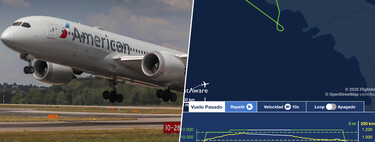
The Fascination of Flying
Flying is fascinating . Or at least it was. Boarding an airplane, finding your seat, and eagerly checking to ensure it’s a window seat brings a sense of joy. A slight thrill occurs as the aircraft begins its taxi to the runway. The significant push against your seat during takeoff creates an exhilarating rush. Then, there’s the strange sensation of weightlessness as the plane gains altitude, pressing us firmly against our seats. The moment we’re advised to unbuckle our seatbelts and feel the mysterious nature of flight is unforgettable.
A Wonderful Journey
This is how I remember my first flight —filled with excitement and nervousness. However, that feeling often fades when circumstances in life dictate that flying transitions from a unique experience to an ordinary mode of transportation.
Such as when you arrive at the airport only to discover, with horror, the long line at security. Thankfully, this should improve soon. Or the realization that if you’re over 1.70 meters tall, fitting into an airplane seat becomes a contortionist’s act. Perhaps you glance at the information board and see that your flight is delayed . Or maybe a cute weekend getaway crumbles due to an unexpected cancellation. Or upon arrival, you find your keys and wallet, but your luggage has taken a detour.
A Reality Check
We’ve transitioned from seeing flights as a luxurious mode of transport to praying that nothing goes wrong when we board a plane. In 1951, Iberia made its inaugural flight to New York. On their website, they boast how “a select group of chefs prepared each meal, drizzling syrup over cakes and arranging trays for passengers aboard Iberia flights.”
Gone were the days devoid of enormous lines at the boarding gates, the categorical distinctions of passengers into four groups, the endless complaints about luggage that is just two centimeters too big, or the additional fees for selecting a seat. Back in the 1950s at Iberia, “only the plane receives more attention than you do.”

It’s More Than Just Feelings
It is not just about feelings ; it’s clear that passengers are growing increasingly frustrated with airline practices. The Financial Times highlighted a U.S. passenger who frequently flies with Southwest Airlines. Throughout five annual trips to the same destination, he has endured delays, cancellations for various reasons, and even luggage loss.
This isn’t an isolated case. For the first time in over a decade, negative sentiment regarding flights now outweighs the positive. In the U.S., a quarter of all flights in 2022 were either delayed or canceled; in October alone, the Department of Transportation received 3,000 customer complaints , five times more than in 2019.
Two Hours
Consider the chaos of a mere two-hour outage caused by a Federal Aviation Administration software issue, leading to the cancellation of 10,800 flights across the United States. Those 120 minutes demonstrated just how interconnected the air travel network is, showcasing vulnerabilities in the world’s busiest airspace. In 2019, an astonishing 925 million passengers were flown.
As of 2022, the United States boasts more airports than any other country globally, with a staggering total of 16,890 airports . This vast number results from substantial distances and the lack of an effective railway alternative. In comparison, Brazil ranks second with just over 4,000. Meanwhile, Spain hasn’t significantly changed its airport count since 2013, standing closer to 150 facilities.
A Bottleneck
One major issue identified in the Financial Times article is the labor shortage . The pandemic decimated airline staffing, leading to a reduction in available flights and positions. Initially, the shift towards virtual meetings led many companies to declare the end of business travel . However, with restrictions lifted, the number of trips surged back to previous levels.
In the midst of Airbus and Boeing sharing billions in aircraft orders, there’s a pressing need for pilots . In the United States alone, it’s estimated that 8,000 new pilots are required. By 2032, the global shortfall could reach 32,000 pilots .
And Not Just Pilots
The pilot shortage isn’t the only issue contributing to delays and cancellations. In Spain, we know all too well that traveling during holiday seasons is synonymous with risk. Strikes among ground crew, cabin staff, and pilots have become commonplace during summer and holiday periods.
Airline workers often express grievances over excessive pressure stemming from oversights since the pandemic’s most challenging days. Reports indicate that around 191,000 job cuts were made at airports and airlines during the pandemic.
As air travel becomes increasingly problematic, the allure of flying may continue to wane. From delayed flights to lost luggage, the frustrations of the modern traveler are mounting.