

Before airports became mini-cities and low-cost airlines proliferated, making air travel accessible for many, flying was once a privilege enjoyed only by the elite. Today, global and mass tourism is experiencing an unprecedented boom, prompting airlines to expand their routes and fleets. This growth, however, threatens not only the world’s most sought-after destinations but also the planet’s capacity to manage such a surge in travel.
An Infinite Curve
Commercial aviation’s evolution is deeply intertwined with the progression of the world economy. Each time there’s a rise in global GDP , the number of air passengers grows, necessitating new aircraft to replace outdated models or to expand existing fleets. Past crises—from the tech bubble to the 9/11 attacks, or the recent COVID-19 pandemic and the ongoing conflict in Ukraine—have merely served to halt air traffic temporarily. Following every disruption, the industry’s growth trajectory resumes, currently trending at approximately 4% annually . The index known as Revenue Passenger Miles has rebounded to pre-pandemic levels, solidifying the concept that flying is among the most resilient aspects of globalization.
The “Bleisure” Movement
While most air travel is undertaken by tourists, an intriguing segment has emerged: “bleisure” travel . Although business travelers make up only 12-15% of air travel volume, they account for an impressive three-quarters of airline profits. Bleisure travelers tend to opt for premium seating, often making last-minute changes or purchasing add-ons.
The pandemic catalyzed a shift in travel behavior, with many embracing the concept of bleisure —trips that blend work and leisure thanks to telecommuting. Airlines have responded by diversifying cabin classes, drawing in consumers who seek more than the standard dichotomy of low-cost or first-class travel. This evolution reflects a market where the lines between work and pleasure are increasingly blurred.
Crowds in Tourist Cities
The post-pandemic reopening sparked a phenomenon dubbed “revenge travel,” where millions raced to visit coveted destinations. Countries like France, which has consistently topped global tourism charts, welcomed over 100 million visitors annually. Spain, Italy, Türkiye, and the United States follow closely in popularity.
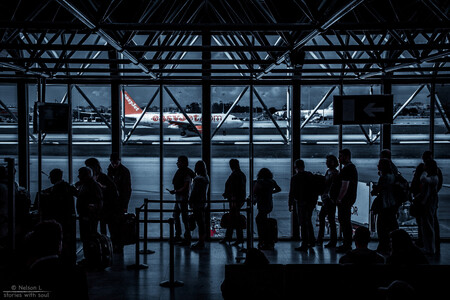
However, this flood of tourists has led to challenges: iconic sites like the Colosseum , the Eiffel Tower , and the Louvre have become severely overcrowded. To cope, several landmarks now impose access restrictions. For instance, Notre Dame requires advance reservations, while the Parthenon limits visitor numbers, and places like Machu Picchu temporarily closed to manage crowds effectively. As interest surges, the number of “must-see” destinations fails to keep pace, which may render some locations unvisitable.
Saturation and Overtourism
The term “overtourism” has surfaced as a paramount concern for prominent tourist destinations. Cities like Venice, Barcelona, and Florence have enacted measures to restrict tourist accommodations, ban short-term rentals, and introduce access fees to rebalance the situation. This phenomenon not only diminishes the residents’ quality of life but also endangers the very cultural and natural attractions that draw visitors.
Moreover, the summer travel season is no longer confined to peak months like July and August; extreme weather events prompt travelers to seek out destinations in fall or spring, causing year-round pressure on these locations. What was once seen as a temporary relief has now morphed into an ongoing challenge.
Climate Impact of Aerial Growth
The surge in air travel poses significant stress on urban environments and the planet. Recent research indicates that tourism accounts for 8.8% of global emissions, with aviation contributing to up to 75% of this footprint when considering indirect effects like contrails. Sadly, advancements in technological efficiency are lagging, with improvements at merely 0.3% per year against a 3.8% increase in traffic. Sustainable aviation fuels, hydrogen, and electrification remain in infancy and fail to accommodate long-haul travel. Consequently, each new aircraft delivery contributes to an uptick in emissions, even as the global carbon budget approaches exhaustion.
A Planet on the Limit
The expansion of air tourism brings forth a triple limit : physical, social, and climatic. The physical limit arises as airports, aircraft, and urban centers cannot continuously absorb increasing numbers of travelers. Social implications manifest as local populations begin to resist the disruptive presence of mass tourism that inflates housing costs and degrades public spaces. Lastly, climate repercussions threaten to squander any progress toward global sustainability targets.
The irony is striking: while the aviation industry boasts a backlog of orders and champions the potential for growth, sustainability experts argue for strict limitations, such as quotas and environmental taxes, to prevent an irreversible collapse.
The Dilemma of Tourism
Mass tourism, as we have known it, stands at a decisive crossroads. While the industry pushes for further expansion and consumers continue to crave travel experiences, the underlying reality reveals insufficient physical and climatic capacity to sustain such relentless growth. The pressing question is not merely about the future of travel but whether the planet can sustain extensive tourism at scale. The narrative of unrestricted global tourism is starting to crack, as there are limited horizons left—both in terms of habitats and aircraft.