
The Impact of Geopolitics on European Aviation
During the 1970s oil crisis, U.S. airlines adopted unusual methods to conserve fuel, such as deliberately reducing flight speeds and even eliminating olives from in-flight salads to save weight. Fast forward to today, the airline industry finds itself in a similar scenario—facing the repercussions of a distant energy conflict that threatens to transform everyday air travel.
Goodbye to Flying “Cheap”
For over two decades, Europe has become accustomed to the extraordinary idea of flying across the continent for less than the cost of parking your car at an airport. Low-cost airlines have democratized air travel, making spontaneous getaways and whirlwind weekends readily accessible through obscenely low fares. However, the ongoing conflict surrounding Iran is beginning to challenge this model. The closure of the Strait of Hormuz, skyrocketing kerosene prices, and the interruption of established flight routes are hitting the economic heart of commercial aviation hard. An alarming realization dawns on European consumers: those once-reliable €20 flights may be historically fragile.
Hormuz’s Role in Flight Pricing
Recent reports indicate that nearly 40% of kerosene used in Europe passes through the Strait of Hormuz, a critical chokepoint in global energy supply. The ongoing war has driven aviation fuel prices to unprecedented levels—doubling costs—while canceling tens of thousands of flights that have become unprofitable. With airlines resorting to desperate measures such as diverting flights to refuel in safer regions, the low-cost airline model begins to falter.
The Brutal Reality of Competition
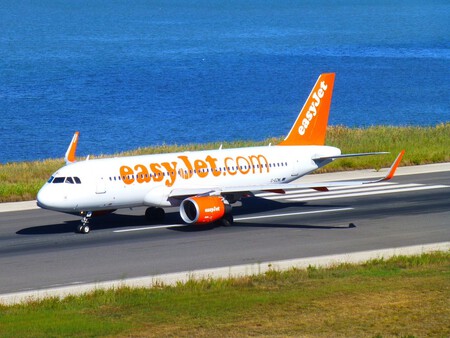
Commercial aviation is ruthlessly competitive, operating on slim margins. The conflict has accelerated a consolidation trend that has been silently brewing for years, evident in the recent bankruptcy of Spirit Airlines. This has ignited fears among low-cost carriers, like Ryanair and easyJet, who now face the stark reality that maintaining their ultra-cheap pricing structures may no longer be feasible. The industry is witnessing a shift where airlines might prioritize profits over low fares.
The Return of Expensive Flights
For years, the phenomenon of low-cost flying seemed irreversible, resting on a delicate balance of affordable fuel, robust competition, and effective logistics. However, this balance is under attack from various fronts. Rising fuel costs combined with delayed aircraft deliveries from manufacturers like Boeing and Airbus lead many historically established airlines to cut thousands of routes. These changes might not be merely temporary; they may pave the way for a more concentrated airline industry with fewer incentives to keep fares low.
Redefining Global Aviation Geography
This crisis also threatens to reshape the global aviation map. Airports in Dubai and Doha have historically served as critical hubs connecting Europe and Asia. Now, airspace closures and widespread cancellations risk the viability of these routes, even as European airlines temporarily compensate for the gap. However, once Gulf airlines regain their footing, an aggressive tariff war may ensue, but it will be set against a backdrop of enduring high fuel prices.
The Looming Winter Crisis
While summer travel might still present some leeway for airlines, the industry brims with anxiety regarding the upcoming winter months. If the conflict persists and energy prices remain elevated, many winter routes could vanish, triggering a dangerous cycle: fewer flights lead to higher fixed costs, which forces price hikes and further diminishes consumer demand. The risk lurks that low-cost travel could revert to a more limited, seasonal offering—an unfortunate reality many once thought had been left behind.
Conclusion
The ongoing conflict in Iran serves as a stark reminder that behind every affordable €20 flight lies a network propped up by cheap oil and geopolitical stability. As prices rise and choices diminish, air travel may no longer be the accessible venture it once was.