
The protest was this Sunday , but the discomfort had been simmering for weeks. Actors, broadcasters, and creatives from the dubbing world mobilized in Mexico City to demand that their voice, their essential work tool, cannot be cloned by artificial intelligence without consent. The trigger was a video published by the INE that allegedly used the voice of the deceased actor José Lavat , renowned for his roles in Latin Spanish dubbing, particularly as the narrator in the Dragon Ball series. The impact was immediate, and the response was equally swift.
A Protest in the CDMX Center. The mobilization took place at the Monument to the Revolution in the heart of Mexico City. While it may not have been a massive march, it was significant due to the attendance—over a thousand participants, according to the National Association of Actors (ANDA) —and the diversity of voices that lent support to the cause.
Among the attendees were prominent organizations including Ameloc , Anda, the United Voices Organization , Ark Dubbing Mexico , and the Esteban Siller Artistic Specialization Center (Ceartes) . The event brought together broadcasters, actors, technicians, directors, and professionals from all levels of the industry, showcasing a unified front in asserting their rights.
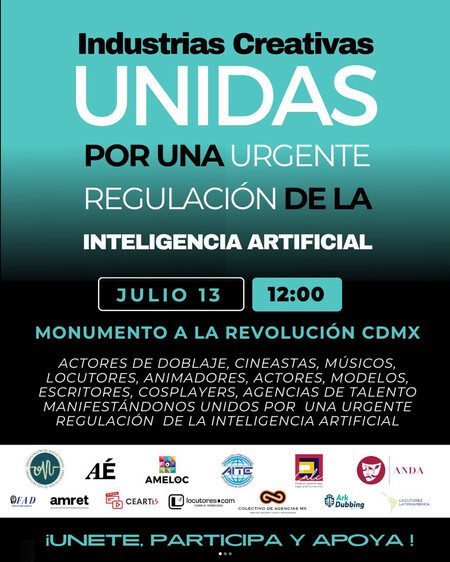
“It’s not just about actors,” declared Alejandro Cuétara , a representative from Anda, as cited by Ecos Media MX . “We are supporting a group of directors whose work is also at risk, along with the entire guild, which comprises over 60 departments involved in film production. From the grips to the director, we are all affected.”
From Street Claim to Congress. This protest was not merely symbolic; it aimed to demand concrete changes in Mexican legislation. The goal is to ensure that the human voice —considered biometric data and a work tool—is protected by law against unauthorized uses involving artificial intelligence.
As Cuétara elaborated, in the last legislative session, there were 58 attempts to regulate the use of AI, but none were discussed. They are now rallying support for a new initiative promoted by local deputy Paulo García , which has ascended to the federal level. In Cuétara’s words, they seek “a law that will protect our rights.”
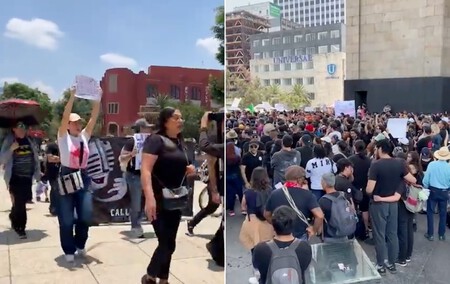
Cuétara also made a direct appeal to President Claudia Sheinbaum , urging her to prioritize this issue in legislative discussions. “We are asking the president, Dr. Claudia Sheinbaum, to adopt this matter as her priority, and to fast-track an initiative for discussion,” he stated during the demonstration.
The proposal extends beyond the usage of voices in advertising or cinema ; it aims for broader recognition. “By safeguarding biometric rights, not only for talents but for all Mexicans, we ensure that your voice is part of your own identity, protecting it from replication or unauthorized use by AI,” he explained.
This concern transcends technical boundaries and touches on human aspects. Consequently, the Mexican guild is advocating for creating a new seal, complementing the well-known “made in Mexico” label with “made by humans.”
The Government Takes Note (At Least for Now). The day after the protest, during a usual public address, President Claudia Sheinbaum directly addressed the situation. “They are right,” she affirmed concerning the protesters’ complaints. “These individuals dedicate themselves primarily to dubbing, and the issues they raise, even concerning deceased persons, are valid.”
Sheinbaum confirmed discussions with legal advisors and the Ministry of Culture to establish a dialogue channel with the affected groups. “We will meet with them to discuss how to protect their work and voices from unauthorized use by artificial intelligence,” she said during a morning conference.

However, the president acknowledged the legal challenges presented by this issue, particularly regarding the classification of voice as biometric data. Nevertheless, she emphasized the value of the dubbing profession in Mexico. “The quality of dubbing done in Mexico is outstanding. Many people work in this field, and we must protect their artistry and contributions,” she stated.
A Global Issue. The situation unfolding in Mexico forms part of a larger, global debate regarding artificial intelligence. Worldwide, AI is beginning to infiltrate creative processes ranging from scriptwriting to dubbing . Prime Video , for instance, has initiated a pilot program utilizing AI-assisted dubbing for titles lacking localized versions. They assert a dual approach, combining AI technology with human oversight to enhance accessibility.
However, this trend has not been met with universal acceptance. In Hollywood , voices of dissent are rising. Renowned actor Robert Downey Jr. has gone on record to state his refusal to allow the creation of a digital twin without his consent, noting, “Even after my death, my legal team will remain vigilant.”
Images | Jonathan Velasquez | Igor Omilaev | Ameloc
The implications of this discussion are significant and warrant closer examination as the industry navigates the complexities of technology and artistry in the digital age.