
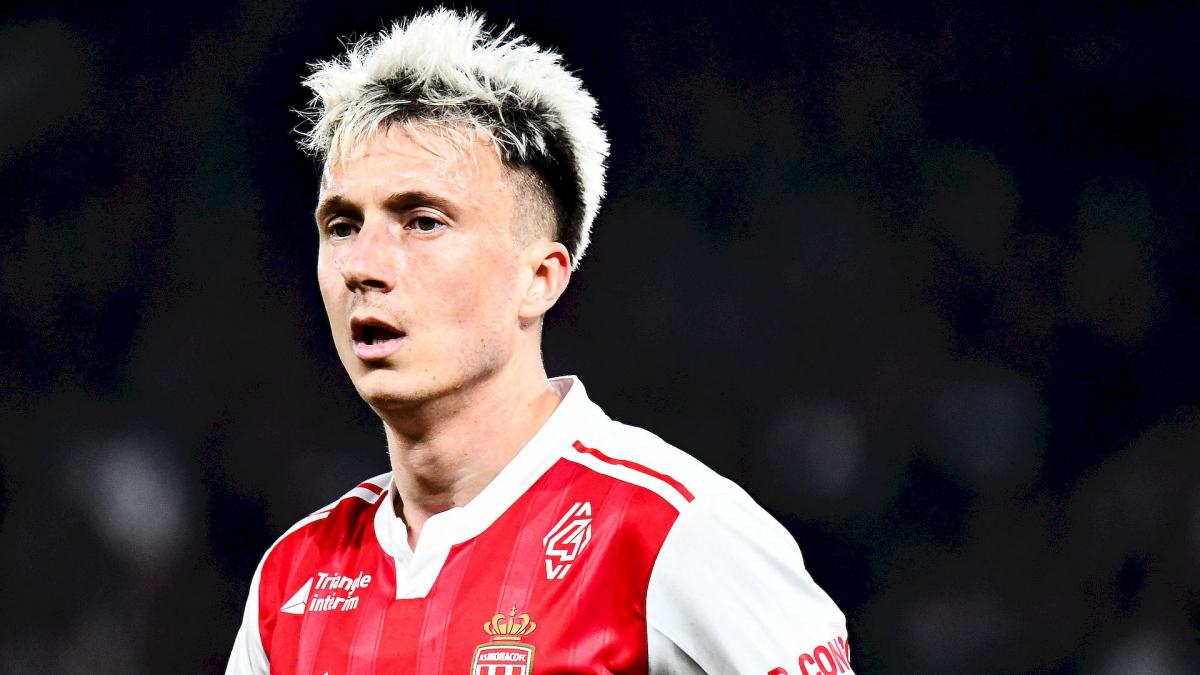
The Turbulent Journey of Aleksandr Golovin at AS Monaco
Aleksandr Golovin’s arrival at AS Monaco marked a significant chapter in his career. Transferred for 30 million euros in the summer of 2018 following his impressive performance at the World Cup, where Russia reached the quarter-finals, Golovin’s time in the Principality has been a tumultuous blend of highs and lows.
Early Challenges and Progress
In his initial season, Golovin found himself grappling with the challenges of maintaining Monaco’s position in Ligue 1. Despite a rocky start, he contributed to the team’s remarkable title-winning campaign in 2021, showcasing his skills on prestigious platforms like the Champions League and Europa League. Throughout his tenure, Golovin’s journey has resembled a roller coaster, with fluctuating performances often impacted by injuries. This season, while not flawless, he achieved a respectable tally of 4 goals and 6 assists in 30 matches.
Controversial Red Cards
The turning point of Golovin’s season came in February, characterized by two significant expulsions—first in Ligue 1 against FC Nantes, followed by a red card in the Champions League against Paris Saint-Germain. In an enlightening interview with Sport-Express, Golovin expressed his bewilderment over being sent off against Nantes. He argued that the first yellow card was unjust, stating that he received it merely for being an observer during a teammate’s protest. His incredulity grew when he was subsequently given a second yellow for applauding the referee’s decision.
A Critique of French Refereeing
Golovin’s frustrations extend beyond personal grievances; he voiced broader concerns regarding the quality of refereeing in France. According to him, there seems to be a bias against Monaco, as pivotal decisions have favored their opponents. He expressed, “Every time we score, the referees wait for the VAR decision. When they score against us, it never happens,” suggesting an inconsistent application of VAR technology and decision-making in matches.
There was an acknowledgment on Golovin’s part regarding the challenges faced by referees, yet he firmly believes that crucial moments have swung unfairly against Monaco. “It seems like they’re looking for the smallest detail,” he noted, emphasizing the negative impact such decisions can have during critical matches.
The VAR Dilemma
In his discussion about VAR, Golovin observed a disparity that often leads to confusion among players and fans alike. He pointed out, “Sometimes it works, and sometimes people fall asleep or whatever,” reflecting a sentiment shared by many in the football community concerning the inconsistency of technology in officiating. This inconsistency raises questions not only about the reliability of VAR but also about its role in the emotional roller coaster that players endure during the season.
Conclusion
Aleksandr Golovin’s experiences highlight the complexities athletes face within professional sports. His journey at AS Monaco, marked by on-field successes and contentious refereeing decisions, serves as a testament to the challenges of competing at the highest levels of football. While critics may blame referees for their failures, Golovin’s reflections underscore a profound need for a reevaluation of the systems in place to ensure fair play and consistency within the sport. As he aims to move past these frustrations, it remains to be seen how Golovin and Monaco will navigate the season ahead amidst external pressures.