
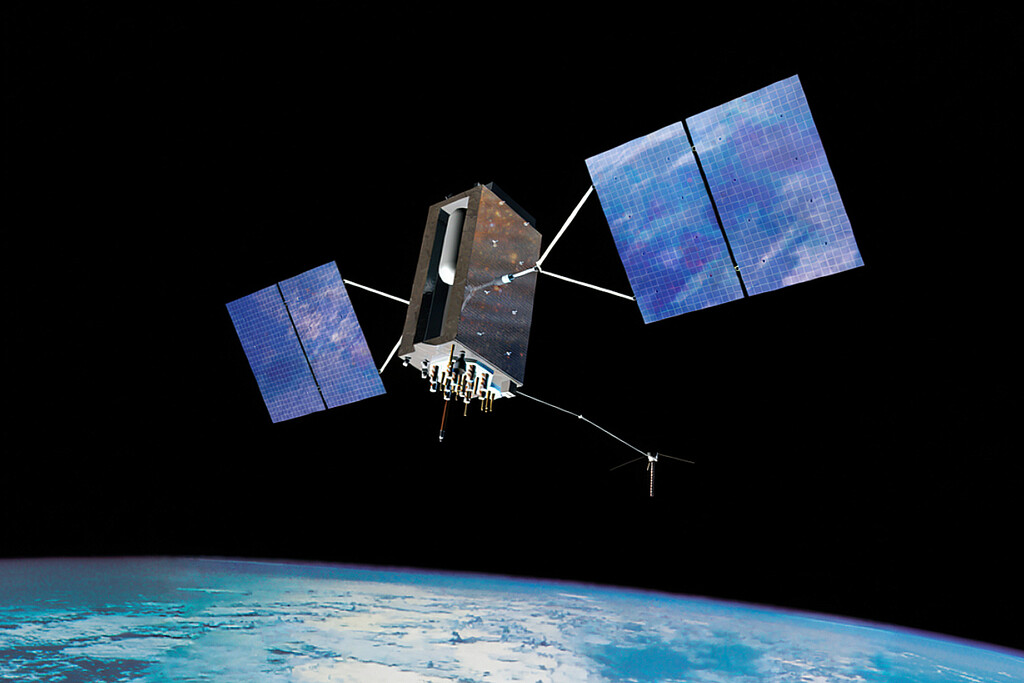
The Next-Generation Operational Control System project (OCX) was supposed to modernize the constellation of the United States’ GPS satellites. Awarded to RTX Corporation (formerly Raytheon) in 2010 with a budget of $3.7 billion, it was expected to be completed by 2016. Fast forward 16 years and $8 billion later, and the project is widely regarded as a colossal failure.
16 Years of Broken Promises
Back in 2010, when the iPad was newly launched and cloud computing was in its infancy, the OCX project appeared to be a reasonable initiative. It aimed to be fully operational by the time Lockheed Martin’s GPS III satellites were introduced. Unfortunately, significant development issues arose that led to chaotic bugs and frequent changes in requirements, leaving the project seemingly stalled indefinitely.
A Fortune Invested
Financial mismanagement is the project’s first major blunder. Originally estimated at $1.5 billion, costs have skyrocketed. Current estimates run close to $7.7 billion, not accounting for an additional $400 million needed for supporting improved versions of the satellites. This inflation isn’t due to more ambitious goals but rather to ongoing fixes for an extensive list of mishaps throughout development.
Software Costs More Than Satellites
The OCX system’s exorbitant costs can be attributed to numerous software failures during integration tests, with bills escalating into the hundreds of millions. This performance issue has rendered OCX one of the most expensive and least efficient software projects in military history. The total cost has eclipsed even that of the satellites it was meant to manage; the 22 GPS III satellites signed in 2018 are estimated at $7.2 billion.
Systems From the ‘90s
Despite having GPS III satellites capable of emitting advanced signals designed for military applications, the OCX software remains non-functional. As a result, these state-of-the-art satellites are currently managed by outdated control systems from the 1990s. This situation is akin to using a VHS player to operate an 8K Smart TV; the capabilities are there, yet an inadequate system bottlenecks performance.
The Cybersecurity Nightmare
One major hurdle has been the cybersecurity requirements. OCX was designed to withstand attacks from rivals like Russia or China. However, as Pentagon standards evolved, adapting to an increasingly outdated architecture became an overwhelming task. Efforts to patch vulnerabilities have only complicated matters, resulting in a system that remains persistently unfinished.
Continued Delays and Failed Tests
The recent government accountability report has only added fuel to the fire of discontent regarding this project. Demonstrating ongoing instability during tests, the final delivery has been delayed until late 2026 or possibly 2027. Frank Calvelli of the Air Force has openly expressed frustration with what he described as unacceptable private industry management, as the strategic benefits initially envisioned remain out of reach.
The Way Forward
For years, justifying the delays was based on the assertion that OCX was “the most complex software ever created for space.” However, other organizations, like SpaceX, have shown that such milestones can be achieved more efficiently. The wait continues, leaving users without access to enhanced GPS functionalities, including L5 signals that promise greater accuracy in urban settings.
Global Implications
While the U.S. struggles with its GPS project, countries like China have successfully developed their own satellite navigation systems, such as Beidou, which complements GPS in more than 140 nations. China’s long-term strategy has resulted in a more reliable navigation system, challenging U.S. dominance in this critical sector.
As we await resolution to these issues, one critical takeaway is clear: software development should not take 16 years to materialize. The world is watching, and the implications of this self-inflicted disaster extend far beyond the boundaries of national pride.
– This article was originally published in Xataka by Javier Pastor.