
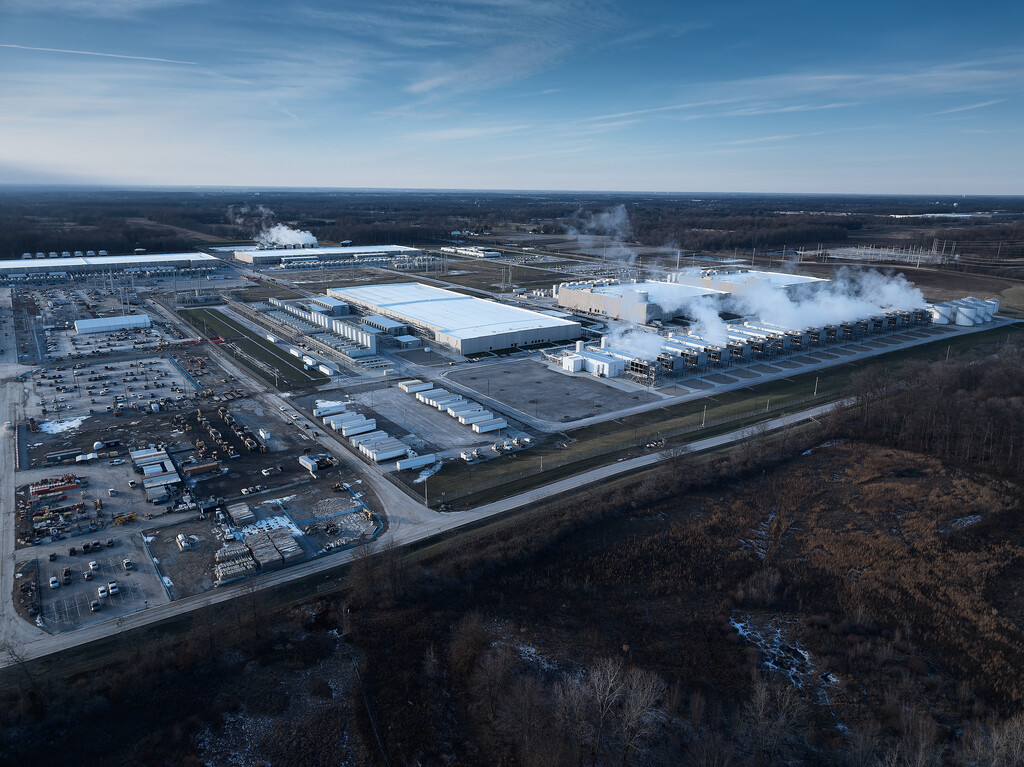
Generative AI is often criticized for lacking true intelligence, a sentiment reflected by Yann LeCun, a pioneering figure in artificial intelligence. As he gears up to establish his startup focused on achieving artificial general intelligence (AGI), the underlying necessity for extensive data centers becomes clear. The rapid growth of these centers poses a significant risk to the reindustrialization goals of the United States.
Shifting Investments: AI Versus Traditional Industry
The U.S. aims to secure its leadership in advanced AI technologies before rival nations like China catch up. While China seeks cost-effective and deployable AI solutions, the American agenda demands substantial investment directed at developing AGI. This requires an increased commitment of resources into massive data infrastructures.
The Reality of Factory Closures
During his presidency, Donald Trump pledged to revitalize American manufacturing by incentivizing domestic factory openings. Past policies like “America First” aimed to stimulate manufacturing through tax benefits. Yet, the reality paints a different picture. Data indicates that while expenditures on new data centers have soared by 18% recently, spending on new factories has declined by 2.5% this year, reflecting a strategic shift in focus.
Job Losses in Manufacturing
Amid these economic alterations, the manufacturing sector isn’t only slowing its growth; it is also witnessing layoffs. Estimates suggest a loss of approximately 38,000 manufacturing jobs in 2023, affecting pivotal industries such as electronics and automobiles.
AI Investments Outpacing Traditional Industries
The contrasting trajectory of investments becomes evident upon examining the financial dynamics at play. While the monthly expenditure in manufacturing is estimated at $18.8 billion, leading tech companies like Amazon and Microsoft will funnel an estimated $400 billion into AI infrastructure alone by 2025—a staggering 60% increase from previous spending. This upward trend is predicted to continue into 2026 and beyond.
Infrastructure and Energy Implications
This burgeoning demand for AI-related infrastructure propels other sectors, particularly construction and energy. Data centers require enormous energy inputs, prompting companies like Google to explore innovative power solutions, such as relocating data centers into space or submerged underwater for cooling purposes. As these facilities proliferate, concerns about energy supply and the necessity to modernize existing power infrastructure will remain a critical consideration.
The Specter of an Investment Bubble
With investment levels reaching astronomical figures, fears of a potential bubble are palpable. Recent surveys indicated a rising worry among fund managers, with 54% believing that current market conditions could lead to a burst bubble, even more severe than past economic downturns such as the dot-com crash. Prominent figures in the tech space, including Mark Zuckerberg, acknowledge that while some companies may be overextending themselves, falling behind in AI innovation is not an option.
Conclusion: The Need for Strategic Focus
As America’s industrial revival seems compromised amid the AI boom, questions about the future of manufacturing and broader economic sustainability arise. The perspective of Arno Hill, a former mayor of Lordstown—a location marked by significant industrial transformation—underscores an intrinsic truth: while advancements in AI are pivotal, traditional manufacturing needs remain critical. The reconciliation of these competing interests will be necessary as the landscape of American industry continues to evolve.
Image | Google Data Centers