
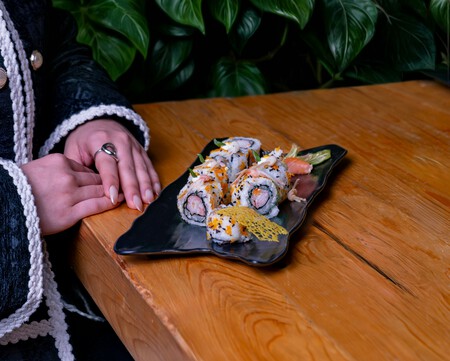
The Rise of Sushi in American Cuisine
When sushi first arrived in the United States during the 1960s, it was considered a gastronomic rarity—a unique experience reserved for adventurous eaters. Establishments like Kamehachi in Chicago catered to a diverse clientele eager to explore authentic flavors. Fast forward to today, and sushi is a staple in American culinary culture, so much so that it has begun to rival the traditional hamburger, even gracing children’s party menus.
Sushi’s Growing Popularity
In The New York Times, it was reported that “Sushi is more fashionable than ever in the US.” This headline encapsulates the rapidly growing popularity of sushi. Industry data supports this claim. Kroger, one of the largest grocery chains in the country, has seen sushi sales surge by 50% since 2019, translating to approximately one million rolls sold each day.
Transforming Takeout Culture
The Blue Ribbon restaurant chain has documented a remarkable transformation in takeout sushi sales, rising from 6% to 30% of total sales in just a few years. Even international companies like Chiyoda Sushi are taking note, with plans to launch frozen sushi rolls in partnership with Mitsuwa Marketplace in the US.
The Economics of Sushi
The growth of sushi is not merely anecdotal; market studies reflect a booming industry. Research firm Circana predicts a $2.8 billion market for sushi deli items, marking a 7% increase year-over-year. This trend follows a notable rise in sushi consumption during the pandemic.
Japanese Cuisine’s Expanding Footprint
According to the Government of Japan, North America is home to nearly 30,000 ramen and other Japanese restaurants—an increase of 17% from a decade ago. The global market for sushi restaurants continues to flourish, and projections indicate a 3.5% growth rate for the remainder of the decade.
Cultural Shifts Behind Sushi’s Success
Beyond the figures, sushi’s emergence as a common culinary choice is fueled by a cultural shift. No longer viewed as exotic, sushi has become a family-friendly dining option. Owners of restaurants like Kamehachi have noted an increasing demand for “creative” rolls, which introduce non-traditional ingredients like mango or jalapeño.
Innovation Versus Tradition
While the creativity in sushi preparation showcases its versatility, some worry this strays too far from its origins. Giulia Sindler, whose family founded Kamehachi, acknowledges the excitement surrounding sushi’s acceptance but expresses concern about losing authenticity.
Sushi Versus Traditional American Foods
Recent trends highlight sushi’s infiltration into American lifestyles, including children’s parties where sushi often replaces favorite options like pizza or hamburgers. This shift is attributed to various factors, including the visual appeal and the increasing appeal of sushi to younger generations. According to Trevor Corson, author of The Story of Sushi, “the more sugar we put in rice, the more it is eaten,” suggesting a strategic approach to attracting young diners.
A Generational Shift
While sushi consumption levels are still significantly lower than those of hamburgers, the trend indicates surprising growth in interest. As cultural tastes evolve, even children today favor sushi rolls like tropical shrimp tempura over traditional fast-food options.
In conclusion, sushi has transitioned from a rare delicacy to a household name in the United States, challenging the hamburger’s long-standing dominance and illustrating the dynamic nature of American cuisine.