
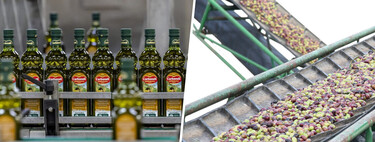
Spain’s Olive Oil Industry Faces New Challenges Amidst Political Tensions
Times are turbulent for the Spanish olive oil industry. As market conditions deteriorate with price fluctuations and looming speculations, an unexpected threat emerges— Donald Trump’s ire . Following disagreements between Washington and Madrid during a recent NATO summit, Trump made a pointed statement indicating potential consequences for Spain’s reluctance to commit 5% of GDP to military spending, stirring fears of a new wave of tariffs.
The olive oil sector is especially vulnerable, holding a significant position in the U.S. market. Trump’s remarks have sent waves of anxiety through this crucial industry. He remarked, “Spain is the only country that refuses to pay,” threatening economic repercussions that could exacerbate existing market troubles.
Trump’s statements reveal a pattern of hostility towards Spain regarding defense spending. After Prime Minister Pedro Sánchez’s refusal to conform to NATO’s spending targets, Trump escalated his rhetoric, warning of dire consequences if Spain does not comply.
When Trump stated, “We are going to make them pay double,” many in the olive oil industry felt a sharp pang of worry. The designed tariffs may particularly target sectors with robust exports to the U.S., and experts believe these threats are not unfounded. Past experiences with tariffs, such as those during the Boeing-Airbus trade dispute, have left a lasting mark on the agricultural sector.
Impact on Olive Oil and Agricultural Exports
The prospect of tariffs is terrifying for olive oil producers. In 2024 alone, Spain exported approximately $21.2 billion worth of goods to the U.S., with agriculture being a vital player. The olive oil sector alone reported selling over 113,400 tons , generating an impressive €1.031 billion in revenue. This represents a 58% increase over the previous year, making the U.S. market crucial for Spanish olive oil producers, second only to Italy.
With Trump threatening tariffs, the olive oil sector could suffer drastically—tags of 15% could mean the difference between thriving in the U.S. market or being completely shut out. Local producers openly express their concern, fearing that such moves could cost them their market standing. Rafael Sánchez de Puerta, president of Agrifood Cooperatives Oil section, articulated this anxiety, acknowledging that if tariffs come to fruition, the market would essentially close for them.

The looming tariffs open a conversation about the broader implications for other sectors as well. Industries like wine and pharmaceuticals also face scrutiny as they navigate their relationships with the U.S. market. However, it is the olive oil industry that bears the brunt of Tariff concerns, making up a vulnerable piece of Spain’s agricultural exports.
A Response to a Complex Landscape
The Spanish government is already considering measures to stabilize the olive oil market. Following several years of challenging harvests, they are evaluating the need to remove excess oil from the market to prevent further devaluation. Farmers may be rejoicing in a healthier harvest this year, expecting over 1.4 million tons , but the fear of impending tariffs looms large.
The fear of economic fallout reverberates throughout the agricultural community, leading to calls for immediate action to fortify the sector against external threats. The warning bells are ringing loudly; navigating this complex landscape requires both immediate and long-term strategies to mitigate the adverse effects of potential tariffs on Spain’s olive oil exports.
Given the intertwining of politics and economics, one thing is clear: Spain’s olive oil industry is at a crossroads , facing challenges not just from market forces but also from political dynamics that could reshape its future. The ongoing dialogue regarding military spending and trade agreements signals a precarious journey ahead for the heart of Spain’s agriculture .