
The Rise of the New World Screwworm: A Unique Approach to Pest Control in the U.S.
In a peculiar twist of pest management , the United States is gearing up to battle the infamous Cochliomyia hominivorax, commonly known as the New World Screwworm . This fly, in its larval form, poses a significant threat to cattle, wildlife, pets, and even humans. To tackle this crisis, authorities plan to raise and strategically release billions of sterilized flies from airplanes, hoping that this will reduce the fly population and protect livestock.
The idea may seem strange at first, yet it holds substantial promise against a small, but formidable adversary. Though adult screwworms appear unremarkable, their larvae wreak havoc by burrowing into the flesh of their hosts, feeding on the tissues and leading to severe health issues. The USDA warns that these parasites can sap the life from a 1,000-pound cow in just a matter of weeks.
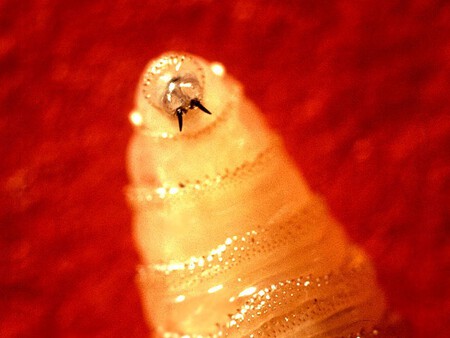
The threat from the screwworm is not new, as it has been a known pest affecting various regions, particularly in Cuba , Haiti , and countries across South America, including Colombia . The USDA has successfully employed measures in the past, most notably during a small outbreak in the Florida Keys in 2017, where they were able to eradicate the infestation using similar strategies.
Understanding the Threat: The Lifecycle of the Screwworm
The screwworm flies lay their eggs in open wounds and moist regions of mammals. Once they hatch, the larvae (the screwworms) begin to feasted on the host’s flesh. The process is gruesome and can lead to a slow and painful death for the animal. This method of feeding not only affects the health of livestock but poses serious financial implications for farmers, ranchers, and the broader agricultural industry. In interviews with industry experts, there have been warnings that the absence of effective management strategies could significantly impact the economic stability and food supply chain of the nation.
With signs of a resurgence in screwworm populations detected in parts of Mexico , specifically Oaxaca and Veracruz —about 700 miles from the U.S. border—the USDA has taken swift measures, including suspending the import of live cattle, bison, and horses. This reactivation of the screwworm crisis has put the agriculture sector on high alert.

Rethinking Pest Control: A Multi-Phase Approach
As part of this mission against the screwworm, the USDA plans to implement a comprehensive strategy that involves not only quarantine measures but also an extensive breeding plan concentrating on generating sterile male flies. The objective is to create an environment where these sterilized males can mate with wild females, leading to unfertile eggs and gradually reducing the screwworm population.
This method, known as the Sterile Insect Technique (SIT) , is both innovative and eco-friendly compared to traditional chemical pesticides. The USDA has secured an investment of $8.5 million for a new facility in southern Texas, and an additional $21 million for a similar facility in Mexico geared towards screwworm breeding. These steps are designed to bolster the capability to breed and release approximately 400 million flies weekly to achieve the desired impact.
The Path Ahead: Implementing the Plan
Following the breeding process, the release of millions of sterilized adult flies must be strategically orchestrated. By targeting northern Texas and the Mexican border, the U.S. government aims to interrupt the lifecycle of the screwworm and safeguard vital agricultural interests. Plans to establish a specialized facility at Moore Air Force Base near the border are already underway, with hopes to have operations in place by late 2025.
This initiative not only represents a bold and groundbreaking approach to tackle an old nemesis but also reinforces a commitment to sustainable agricultural practices. Through the amalgamation of technology, biological science, and strategic planning, the U.S. is positioning itself to fend off an age-old threat while supporting the sustainability of its food systems. The implementation of this unique pest control strategy could pave the way for more innovative solutions in tackling agricultural challenges in the future.