
The Ingenious Solution to Waste Management: Pneumatic Waste Collection Systems
In today’s world, waste management has become an increasingly pressing issue. With the global population continuing to rise, the burden of handling waste effectively has become more vital than ever. Amidst various solutions, a novel approach has emerged from Sweden — the Pneumatic Waste Collection System (PWCS) , often referred to as a giant vacuum cleaner for collecting waste. This system has shown incredible promise in transforming the way cities manage waste and is increasingly being adopted around the globe.
How It All Began
The concept of the Pneumatic Waste Collection System originated in the late 1950s at the Sollefte Hospital in Sweden, where a team was investigating a central vacuum system for dust collection. Olof H. Hallstrom, a key participant, proposed a fascinating idea: instead of designing a massive vacuum for dust, why not create one for trash? Thus, the Pneumatic Waste Collection System was born.
According to the official Envac website , this pioneering system began operations in the hospital in 1961 and continues to utilize many of the original components installed over six decades ago. Encouraged by its success in a singular location, the question arose: could this system be scaled to serve entire cities?
How Does It Work?
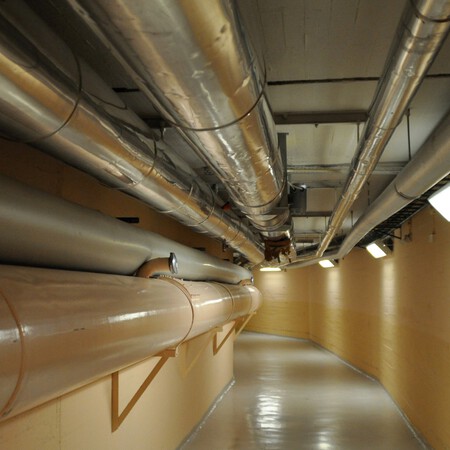
The Pneumatic Waste Collection System functions primarily through a network of underground pneumatic tubes. This system allows residents to dispose of their waste at designated points, utilizing nozzles fitted on the streets for organics or plastic waste. It operates using powerful fans that facilitate airflow exceeding 60 km/h, ensuring waste travels smoothly to a collection point.
Once collected, the waste is sorted and loaded into trucks for transportation to appropriate disposal locations. By replacing conventional garbage trucks with a state-of-the-art pneumatic system, cities can significantly reduce pollution, minimize the presence of garbage containers on the streets, and streamline waste management.
The innovative pneumatic waste collection pipes beneath Sollefte, Sweden.
Modernizing Historical Cities
One of the standout benefits of PWCS is its application in historical cities, like Bergen , Norway, founded in 1070. With a rich history represented by colorful wooden homes, Bergen faced challenges with garbage collection, especially given the risk of fire hazards posed by accumulating waste. The introduction of a pneumatic waste collection system in such an environment provided a safe and efficient solution, allowing for improved aesthetics while enhancing safety.
Globally, approximately 200 cities have adopted some form of pneumatic waste collection. In recent years, cities like Barcelona , Seoul , and Vitoria-Gasteiz have also integrated this technology into their waste management systems.
Challenges and Financial Implications
Despite its advantages, pneumatic waste collection systems come with their own set of challenges. One significant barrier to implementation is the high initial cost . For instance, Bergen began constructing its network in 2007, investing about $100 million , with an estimated additional expenditure of $30 million left to complete the project. Such financial implications can be severe, particularly for cities where yearly budgets for waste management may be limited.
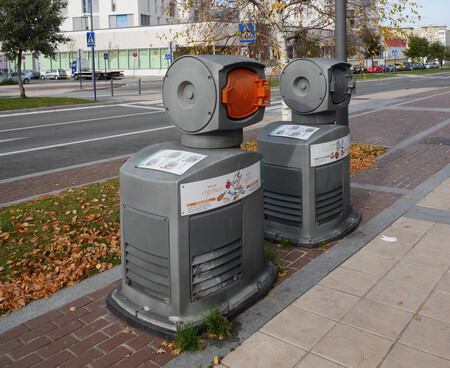
One of the nozzles used in Sweden’s pneumatic waste collection.
User Experience and Incentives
Residents of cities utilizing PWCS generally report positive experiences. This system eliminates the need for bulky waste containers and the nuisance of garbage trucks roaming neighborhood streets. In various cities like Bergen, users often have access to an app that tracks the amount of waste deposited per month, offering a unique gamification aspect to motivate recycling.
Essentially, the system requires residents to utilize an electronic key to access the waste nozzles and track their disposal volumes. This data can be used to penalize individuals for excessive waste generation, echoing practices seen in South Korea where waste fees are linked directly to recycling rates.
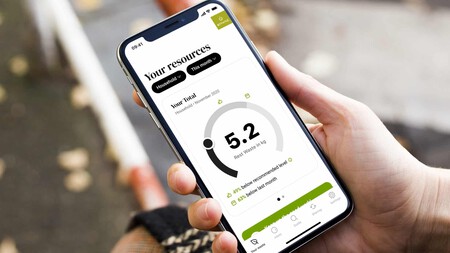
An app that gamifies waste management by tracking disposal metrics.
Critiques and Backlash
<pNot all feedback has been favorable. Some cities experience recurring issues, from clogging in the pipes to odors emanating from malfunctioning systems. Reports indicate that in cities like Barcelona and Leganés, residents often resort to traditional methods of waste disposal due to inconvenient or malfunctioning pneumatic systems. Moreover, there have been calls in several places, like Vitoria-Gasteiz, to halt further investments, deeming existing systems inefficient from both economic and environmental perspectives.
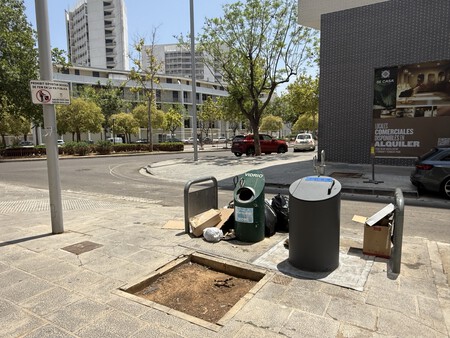
Pneumatic waste tubes installed in Torrent, Spain, show wear and challenge user interaction.
The Road Ahead
As cities around the world explore the potential of pneumatic waste collection, the debate over its efficacy continues. Projects are blooming globally, with ambitious initiatives like those seen in Mecca , aiming to solve specific waste challenges during peak periods, such as Ramadan.
In Bergen, the authorities have reported a saving of $22 million in waste management costs since initiating the system, although that figure pales compared to the initial investment. While pneumatic waste collection holds incredible promise, only time will reveal if it can effectively balance modernization and the pressing struggles of urban waste management.
As cities continue to grapple with the growing challenge of effective and sustainable waste disposal, innovative solutions like the Pneumatic Waste Collection System could play a crucial role in shaping the future of urban living.