
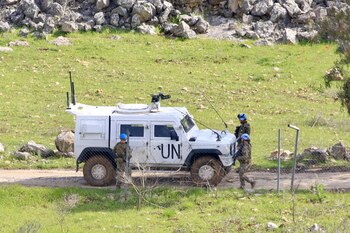
Rising Tensions: UN Peacekeepers Face Attacks in South Lebanon
The United Nations Peacekeeping Force in South Lebanon, known as Finul , recently reported a troubling incident involving their patrols in the area. On Thursday, Finul announced that a group of civilians obstructed access to one of their patrols in Wadi Yilu , throwing stones at the peacekeepers. In an effort to disperse the crowd, Finul was compelled to deploy non-lethal smoke grenades .
According to a statement released by the mission through its Telegram channel , the situation escalated despite an initial appearance of calm. “Several people dressed in civilian clothes blocked the path to the Finul patrol,” the communication stated, emphasizing that this movement had been coordinated with the Lebanese Armed Forces prior to the blockade. This highlights the delicate nature of operational coordination between international forces and local military entities.
Context and Implications of the Incident
The UN peacekeepers have been stationed in Lebanon since 1978, primarily to monitor the area along the Israel-Lebanon border and ensure stability after conflict. Their commitment and operations are fundamental in maintaining peace in a region often fraught with tension. However, incidents like the one in Wadi Yilu underscore the ongoing challenges they face.
The recent attack has raised serious concerns regarding the safety of UN personnel stationed in conflict zones. Any aggression against peacekeepers not only jeopardizes their lives but also constitutes a severe violation of international law , particularly UN Security Council Resolution 1701 , which calls for the protection of UN personnel operating in conflict areas. Finul reiterated this perspective, urging Lebanese authorities to bring those responsible for the recent attacks to justice.
Local and International Reactions
The response to the incident has generated a range of reactions. Local communities , while often appreciative of the peacekeeping forces, have at times expressed frustration over their presence, viewing it as an infringement on local sovereignty. Conversely, international reactions have typically emphasized the need for stronger protections for UN personnel. A call to action has emerged, urging the Lebanese government to bolster its support for peacekeeping missions and ensure that such violent incidents do not recur.
In times of unrest, it is essential for both local communities and international forces to find a common ground . This approach is vital to ensure that peacekeeping missions can continue to foster stability without further aggravating underlying tensions in the region. Effective communication and partnership building are key elements that could prevent further escalations in hostility towards peacekeepers.
The Importance of Peacekeeping Missions
Finul’s mission is critical not just for maintaining peace but also for facilitating humanitarian efforts and supporting the Lebanese government in stabilizing the region. A robust peacekeeping presence can deter aggressive actions from various factions within Lebanon and deter potential conflicts with neighboring countries.
Moreover, these missions serve as a reminder to international communities that peace is an ongoing process requiring vigilance, dedication, and collaboration. The complexity of geopolitical landscapes demands an adaptable approach from peacekeepers , who must navigate local dynamics while adhering to the principles of international law.
The UN’s role in peacekeeping has evolved over the decades, expanding from traditional, passive monitoring actions to more proactive measures that include community engagement initiatives and direct conflict intervention. This evolution underscores the growing recognition that effective peacekeeping involves understanding local contexts and addressing the socio-political factors that contribute to unrest.
In conclusion, as Finul grapples with the repercussions of the recent attack, it is evident that both the safety of international peacekeepers and the broader peace within the region depend on collaborative efforts between local and international actors. Ensuring the protection of those who strive to maintain equanimity in Lebanon remains a paramount concern as the situation continues to develop. Without a unified and committed effort, the cycle of violence and hostility may persist, posing significant challenges to the region’s stability and peace.