
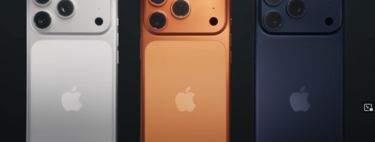
Apple Unveils the N1 Chip and the Sleek iPhone Air
Apple has recently unveiled the N1 chip alongside the iPhone Air, marking a pivotal moment in the tech giant’s history. The iPhone Air, touted as the thinnest phone Apple has ever produced, measures a mere 5.6 millimeters thick. This innovative device not only exemplifies Apple’s commitment to sleek design but also showcases cutting-edge technology that promises to redefine user experience.
Why It Is Important
The N1 chip is designed to manage all wireless connections for the iPhone, including Wi-Fi 7, Bluetooth 6, and Thread capabilities. This integrated approach is crucial for Apple, as it represents the latest step in its strategy to design every iPhone component in-house, from the main processor to the modem. By controlling these elements, Apple aims to ensure optimal performance and reliability across its devices.
The Context of Component Manufacturing
Apple’s journey towards manufacturing its own components has been ongoing for years. The company began by replacing third-party processors with its own chips, transitioning away from Intel. Subsequently, the introduction of the C1 modem (now enhanced to C1X) allowed Apple to reduce its reliance on Qualcomm. With the introduction of the N1 chip, Apple is now severing ties with Broadcom and other wireless chip manufacturers, marking a significant shift in its supply chain strategy.
Between the Lines: The Obsession with Control
Apple’s relentless pursuit of complete control over its hardware and software is no mere coincidence. By developing its own chips, Apple can achieve optimizations that are nearly impossible with external components. This strategy not only improves performance but also enhances profit margins by eliminating the need to pay royalties to third-party manufacturers. Consequently, the N1 chip is instrumental in solidifying Apple’s position in the competitive tech market.
Enhancements Brought by the N1 Chip
Apple has promised that the N1 chip will significantly improve functions such as Airdrop and mobile access point capabilities. These enhancements are not easily achievable with standard solutions, making the N1 an essential asset for the iPhone Air. Users can expect improved speed and reliability when transferring files and connecting to other devices, setting a new standard for wireless technology in smartphones.
The Threat to Traditional Suppliers
The development of proprietary chips like the N1 signals an ominous trend for traditional suppliers. For companies like Broadcom, losing Apple as a client represents an irrevocable loss of market share and revenue. Apple has made it abundantly clear that its strategy is focused on internal development, optimizing solutions to fit its specific needs, and once a technology is implemented, there is little room for a return to third-party options.
What’s Next for Apple’s Hardware Strategy?
Currently, the N1 chip is debuting in the iPhone Air, but it is expected to broaden its reach to other products within Apple’s ecosystem. The tech giant has a history of integrating successful technologies across its product lines, ensuring that each new advancement benefits all its devices. Absolute hardware control not only serves as a foundation for competitive advantage but also fuels innovation, allowing Apple to maintain its leadership position in the market.
While the N1 chip takes center stage, Apple is likely to continue its trajectory toward more specialized, optimized hardware. This evolution will not only further distinguish its products from competitors but also enrich the user experience, creating a loyal customer base.
The unveiling of the N1 chip alongside the iPhone Air marks a significant moment for Apple as the company continues to internalize its technology and streamline its hardware. By controlling every aspect of its technology, Apple is poised to enhance user experiences significantly while reducing reliance on third-party manufacturers. As the N1 chip spreads to the rest of the product line, consumers can anticipate further improvements in connectivity and performance, solidifying Apple’s dominance in the smartphone market.