
The Surprising Strategic Shift in Europe’s Rearmament
At present, many might wonder about the trajectory of rearmament efforts in Europe . Recent developments paint a complex picture, revealing that the continent is reshaping its military strategies in significant ways. As summer passed, it became clear that Europe was realizing the pressing need to enhance its military capabilities. Nevertheless, a surprising turn has emerged: Germany’s groundbreaking rearmament program.
Germany’s Ambitious Rearmament Program is poised to reshape the entire defense industry in Europe. Germany has set in motion a comprehensive initiative valued at more than €80 billion . According to reports, Berlin intends to sign an unprecedented 154 contracts between September 2025 and December 2026, aimed at modernizing various branches of its armed forces.
What makes this initiative remarkable is its approach towards self-sufficiency . Germany’s plans indicate that only 8% of the acquisitions will be directed towards American industries, a stark contrast to its previous status as a major client for US military goods. In 2023 , Germany spent approximately $14 billion on American military equipment. Now, the focus has shifted towards bolstering the European industrial base.
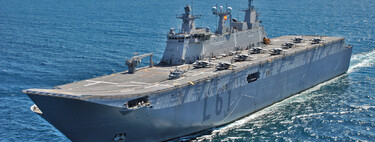
The largest budget allocation within this initiative is aimed at developing the F-127 frigates . Built by German company TKMS, this program is estimated to cost around €26 billion . Additionally, investments will also pour into the Eurofighter Tranche 5 , the Rheinmetall Boxer vehicles, and Taurus cruise missile upgrades . This marks a decisive shift towards prioritizing European industrial autonomy over transatlantic dependencies.
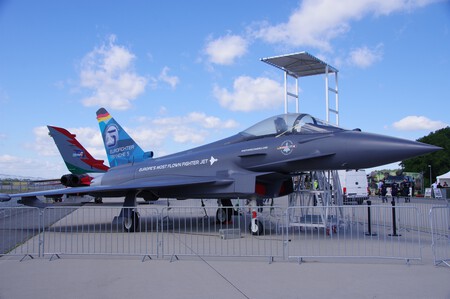
Eurofighter Tranche 5
Impact on Transatlantic Relations
This strategic shift directly challenges previous expectations, particularly amidst former President Trump’s hopes for Europe to purchase vast amounts of US military equipment. Trump’s statements included claims that the EU would spend ” hundreds of billions ” on American weaponry. However, Germany’s recent decisions illustrate a nationalistic approach, which may send ripples through the transatlantic defense landscape.
The financial allocations attributed to American arms—like the purchase of Patriot systems —will barely scratch the surface with an estimated total of only €6.8 billion . Instead, a major part of the budget will support European projects, further solidifying Germany’s role as the driving force in Europe’s military modernization.
Leading the European Charge, Germany has also put forth proposals aimed at fostering a continental response to the security concerns posed by Russia. These suggestions include “collective capacities coalitions” , which would allow groups of European nations to collaborate in developing and acquiring essential weapon systems. With the focus particularly on anti-aircraft defense, Germany seeks to fortify the eastern flank of the EU, a region currently at greater risk from Russian aggression.
Inclusive Industrial Strategy and External Partnerships
Germany’s strategy exhibits a marked contrast to France’s protective stance regarding European industrial policy. Berlin advocates for open and inclusive collaborations, suggesting that neighboring nations—including Ukraine —should be part of the defense industrial matrix, thus aligning Kyiv closer to Western defense mechanisms.
The financial debate surrounding this rearmament initiative showcases Germany’s insistence on rejecting the concept of mutualizing European debt while maintaining fiscal responsibility for each nation involved. Instead, the plan focuses on existing financial instruments , allowing for the allocation of a €150 billion loan scheme and a subsidy program still in negotiation, while each country retains control over its expenditures.

This change could redefine European defense collaboration as Germany emerges as the center of gravity in rearmament efforts. With an €83 billion investment in its military and an ambition to lead overall EU defense coordination, it is articulating a powerful message. As long as the conflict in Ukraine endures and Russia remains a significant threat, Germany appears poised to not only strengthen its own military footing but also to set the precedent for Europe’s collective defense strategy moving forward.