

The Current State of Ukraine-Russia Peace Talks: Insights from Istanbul
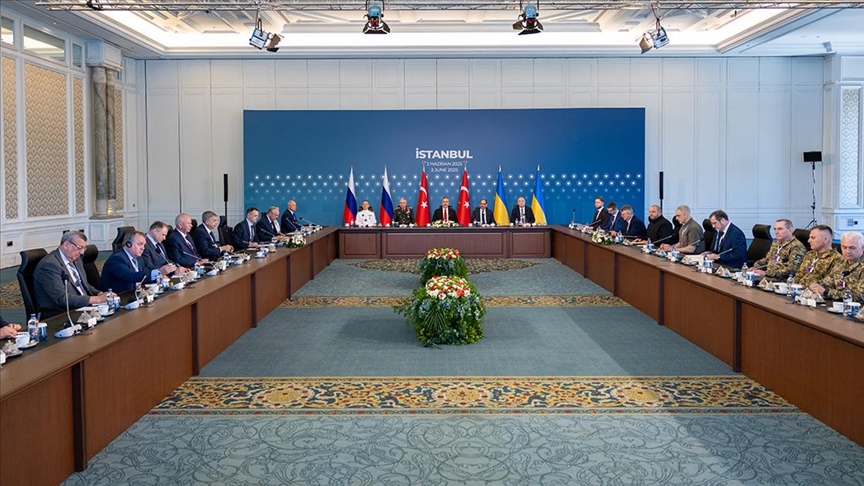
The ongoing conflict between Ukraine and Russia has drawn global attention, particularly as diplomatic efforts intensify. Recently, a significant meeting took place at the Çırağan Palace in Istanbul, led by Turkish Foreign Minister Hakan Fidan. Key figures attended the meeting, including Ibrahim Kalın, President of the National Intelligence Organization (MİT), and General Metin Gürak, Chief of General Staff. The Russian delegation was headed by Vladimir Medinskiy, an advisor to President Vladimir Putin, which signified the meeting’s critical importance.
The Ukrainian delegation included Rustem Umerov, Ukraine’s Minister of Defense, alongside other officials. Discussions primarily focused on sustainable peace, including prisoner exchanges and ceasefire agreements.
Minister Hakan Fidan: The Goal is Sustainable Peace
During the opening remarks, Minister Fidan emphasized the importance of continued dialogue based on a joint will from leaders of both nations. He pointed out that Turkish President Recep Tayyip Erdoğan has been in constant contact with both Ukrainian President Volodymyr Zelensky and President Putin to facilitate progress in the negotiations.
Fidan mentioned, “The most important aspect is establishing sustainable peace.” He acknowledged the constructive atmosphere that characterized earlier rounds of talks, for which he thanked both parties for their proactive attitudes. He noted that significant steps have been taken, such as the exchange of prisoners, involving 1,000 individuals from each side, which indicates a willingness to make concessions for peace.
Fidan stated, “Our goal is to evaluate the conditions and perspectives of both countries regarding the ceasefire, as well as to advance the process of exchanging prisoners of war.” He expressed hope that meaningful outcomes would arise soon.
Russia’s Strategy: A Dual Approach to Ceasefire
Medinskiy, heading the Russian delegation, showcased a structured approach to negotiations. He revealed that they have prepared a memorandum consisting of two main sections:
- Proposals for establishing long-term peace.
- Steps to achieve a comprehensive ceasefire.
He indicated plans to unilaterally return 6,000 frozen soldiers’ corpses to Ukraine, illustrating a humanitarian gesture aimed at fostering goodwill. Medinskiy underscored the importance of addressing prisoner exchanges, with a particular focus on severely injured soldiers and those under the age of 25.
Medinskiy further noted that the discussions also entertained a short-term ceasefire of 2 to 3 days in specific combat zones, designed to facilitate the collection of fallen soldiers. He stated, “This proposal aims to provide a window for the recovery of our soldiers.”
The Ukrainian Perspective: Moving Toward Peace
Ukrainian representatives, including Minister Umerov and Foreign Affairs Deputy Sergiy Kyslytsya, were optimistic. They highlighted the significance of establishing humane solutions, stating that they had presented a list of Ukrainian children to be returned, reinforcing the humanitarian angle of the negotiations.
Umerov mentioned, "We are prepared to focus on categories of prisoners for release, particularly severely wounded personnel and soldiers between the ages of 18 and 25." This indication of compassion compared to battlefield realities reflects Ukraine’s commitment to ending hostilities while safeguarding its citizens.
Kyslytsya echoed these sentiments, emphasizing, "We have reached points in discussions that could yield tangible humanitarian outcomes.” He maintained that significantly reducing hostilities is essential for any viable peace process.
Global Perspectives on the Negotiations
The international community has shown interest in the successful progression of these negotiations. Fidan noted the importance of the United States, particularly citing former President Donald Trump’s commitment to peace talks as a hopeful indication of broader support.
Kyslytsya was quick to address recent challenges faced during talks, especially highlighting Russia’s reluctance to reciprocate serious proposals for a unconditional ceasefire. An aligned strategy from global powers, particularly the U.S., will likely play a pivotal role in any ceasefire negotiations.
Reflecting on the Path Ahead
While the atmosphere in Istanbul was marked by cautious optimism, the journey towards a lasting peace agreement remains fraught with challenges. The exchange of prisoners, humanitarian concerns, and military strategies continue to shape discussions. Both sides need to leverage the established pathways for dialogue and capitalize on the international community’s focus on this critical issue.
Turkey’s role as facilitator is significant, having successfully brought both parties to the negotiation table again after three years of conflict. As talks progress, the hope remains that a concrete solution can be found, allowing both Ukraine and Russia to move past this tumultuous chapter.
By fostering dialogue and addressing humanitarian concerns first, stakeholders may inch closer to a sustainable peace that resonates beyond their borders, influencing global stability in the process.
General News – 1