
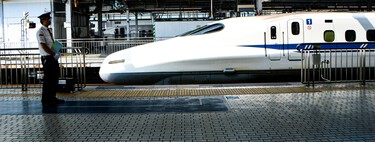
The Ambitious Dream: Japan’s Maglev Train
In 2027, Japan is set to revolutionize rail travel with its new Maglev train, achieving speeds of 505 km/h and surpassing 600 km/h during testing. This leap in technology means a journey from Tokyo to Nagoya will last only 40 minutes—markedly faster than the current travel time of over an hour and a half. If this technology were brought to Spain, Madrid and Barcelona could be connected in an astonishing 75 minutes.
A Dream That Becomes a Nightmare
However, this vision is not without its complications. Japan has been yearning to reclaim its place at the forefront of high-speed rail since it pioneered the concept with its “bullet trains” in 1964. Despite its initial success, Japan has fallen behind, notably to China, which has excelled in developing high-speed rail networks.
Chuo Shinkansen: A Journey Delayed
The Chuo Shinkansen line, powered by Maglev technology, is Japan’s ambitious project aimed at restoring its railway dominance. Initially slated for completion in 2027, current projections point to a far-off 2036 due to numerous challenges.
Financial Burden and Technical Challenges
The project has faced a decade of delays coupled with spiraling costs. Originally estimated to cost around 9 billion yen for the connection between Tokyo and Osaka, experts now project expenditures to reach a staggering 11 trillion yen by 2025. This figure could inflate even further, potentially reaching over 59 billion euros upon completion.
Infrastructure Hurdles
Constructing an entirely new railway infrastructure is fraught with difficulties. The Maglev trains require exclusive tracks—complicating matters as they will run underground for about 90% of the route. This poses challenges not only in construction but also in managing disruptions to existing rail services.
Nature’s Challenges and Solutions
High-speed rail travel in Japan is constrained by the country’s mountainous terrain, necessitating numerous tunnels. Each tunnel entrance and exit introduces pressure changes that can cause discomfort for passengers and complicate the train’s movement. To alleviate these issues, the Maglev is envisioned to operate primarily underground, reducing energy expenditure while simultaneously minimizing the sound impact on surrounding areas.
Conclusion: A Dream on Shaky Ground
The Maglev train embodies an inspiring vision for Japan’s future in transportation, but unresolved challenges threaten its realization. While achieving speeds that could connect Madrid and Barcelona in under an hour may be within reach, Japan must first navigate through its waking nightmare. If it can overcome these obstacles, the once-dominant rail industry may see a revitalization by 2036, leading to dreams that can finally come true.